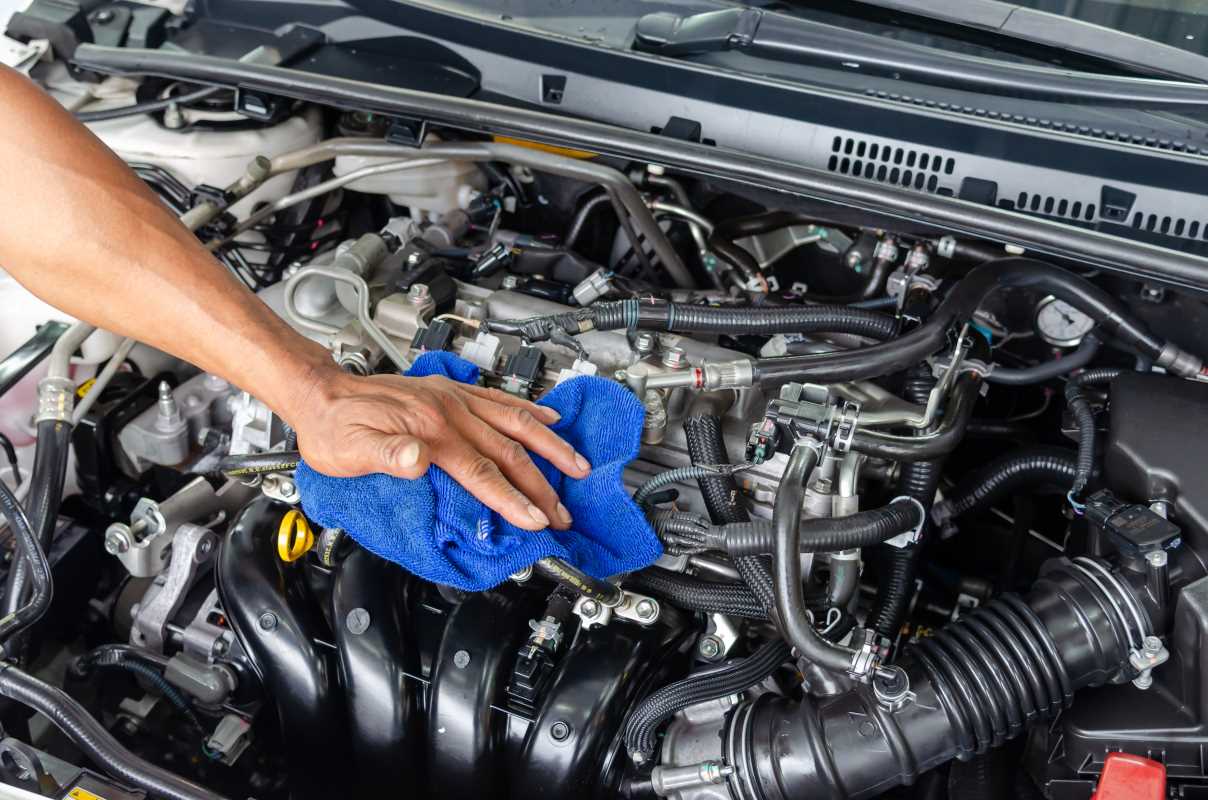
Have you ever thought about cleaning the parts of the car you can't see? Specifically, the engine? It sounds like one of those made-up services that a shady mechanic might try to sell you, like "blinker fluid" or "muffler bearings." You might wonder why anyone would bother cleaning a hunk of metal that spends its entire life hidden under a hood. However, engine cleaning is a real service, and surprisingly, it is not just about making things look shiny for a car show. Just like you run faster and breathe easier without a stuffy nose, your car runs significantly better when its engine is free from the gunk and grime that builds up over thousands of miles. It turns out that a little bit of scrubbing under the hood can lead to better gas mileage, smoother driving, and a longer life for your vehicle.
Thermal Insulation and Heat Dissipation
Heat is the primary byproduct of internal combustion, and the vehicle's ability to shed this energy is essential for performance. A layer of accumulated grime acts as a thermal blanket, trapping heat against the engine's surface.
- Radiant Cooling Disruption: While the radiator handles the majority of cooling, the engine block itself dissipates a significant amount of heat into the air flowing through the engine bay. A crust of oil-soaked dirt inhibits this radiant cooling, forcing the cooling fans and water pump to operate at a higher duty cycle.
- Component Stress: Excessive heat under the hood accelerates the degradation of rubber hoses, plastic wire looms, and serpentine belts. By removing the "sludge blanket," you lower the ambient temperature of the engine compartment, which preserves the structural integrity of these critical non-metal parts.
- Oil Longevity: When an engine runs consistently hotter due to external insulation, the internal oil breaks down faster. Maintaining a clean exterior helps keep internal oil temperatures within the ideal 2025 operating range, extending the protective life of the lubricant.
Sensor Accuracy and Electrical Connectivity
Contemporary vehicles in 2025 rely on a network of high-precision sensors to dictate the air-fuel ratio. These components are sensitive to the chemical and physical environment of the engine bay.
- Reference Signal Integrity: Sensors for oxygen, mass airflow, and coolant temperature communicate through low-voltage electrical connectors. If these connectors are infiltrated by grease or road salt, it creates electrical resistance. This leads to "ghost" signals that confuse the ECU (Engine Control Unit).
- Fuel Trim Adjustments: When a computer receives inaccurate data due to dirty connections, it often defaults to a "rich" fuel mixture—burning more gasoline than necessary to avoid a dangerous "lean" condition. A clean engine environment ensures these signals remain pure, maintaining optimal miles-per-gallon (MPG).
- Ignition Efficiency: Dirt and moisture on ignition coils or spark plug wires can lead to "arcing," where electricity jumps to the engine block instead of firing the spark plug. This causes micro-misfires that waste fuel and reduce power.
Leak Detection as a Diagnostic Safeguard
One of the most valuable aspects of engine detailing is its role in "predictive" maintenance. A clean surface provides a high-contrast background that makes mechanical failures instantly obvious.
- Fluid Trail Visibility: On a neglected, grimy engine, a slow oil seep or coolant drip is absorbed by the existing sludge and remains invisible. On a decontaminated engine, even a single drop of neon-colored coolant or golden oil is immediately detectable during a routine check.
- Early Intervention Savings: Spotting a weeping water pump or a seeping valve cover gasket allows for a repair cost of hundreds of dollars. If these leaks are hidden by grime and go unnoticed until a system failure occurs, the resulting repair bill can easily exceed several thousand dollars.
- Fire Prevention: Accumulated oily gunk is flammable. If a significant leak develops and the fluid hits a hot exhaust manifold, the presence of old, dry debris can act as a wick, increasing the risk of a catastrophic engine fire.
Professional Decontamination Protocols
Effective engine cleaning in 2025 requires a balance of powerful chemistry and delicate execution to protect sensitive modern electronics.
- Chemical Emulsification: Professionals use pH-balanced degreasers that break down hydrocarbons without damaging the sensitive aluminum alloys or magnesium components common in 2025 engine designs.
- Sensitive Area Shielding: Critical components—such as the alternator, air intake, and the fuse relay box—are manually covered with waterproof barriers before any liquid is introduced.
- Steam vs. Pressure: While high-pressure water can force moisture into sealed bearings and electrical plugs, low-pressure steam is used to melt grease with heat rather than force. This provides a deep clean with minimal mechanical stress on the components.
- Moisture Evacuation: Following the cleaning, technicians use high-velocity compressed air to "blow out" standing water from spark plug wells and electrical troughs, preventing corrosion and ensuring the car starts immediately without hesitation.
Long-Term Value and Resale Appeal
Investing in engine bay maintenance provides a tangible return when it comes time to trade or sell the vehicle.
- The "Maintained" Impression: A spotless engine bay is the most significant visual cue to a potential buyer that the vehicle has been meticulously cared for. It suggests that if the owner cared about the parts they couldn't see, they certainly cared about the parts they could.
- Inspection Confidence: Pre-purchase inspectors are less likely to flag "mystery leaks" or recommend expensive "exploratory" labor when the engine is clean and the source of any minor seepage is clear.
- Market Premium: In the 2025 used car market, vehicles with documented engine detailing histories often sell for 5% to 8% more than identical models with neglected engine bays.
By prioritizing the cleanliness of the engine environment, you enhance the vehicle's ability to regulate its own temperature and communicate its health. This results in a machine that is more efficient, easier to repair, and significantly more reliable over the long haul.
Disclaimer: This information is for educational purposes. Attempting to clean a modern engine with a high-pressure hose can cause permanent electrical damage. Always consult a professional detailer or follow the specific "under-hood cleaning" guidelines in your vehicle's owner's manual.