 (Image via
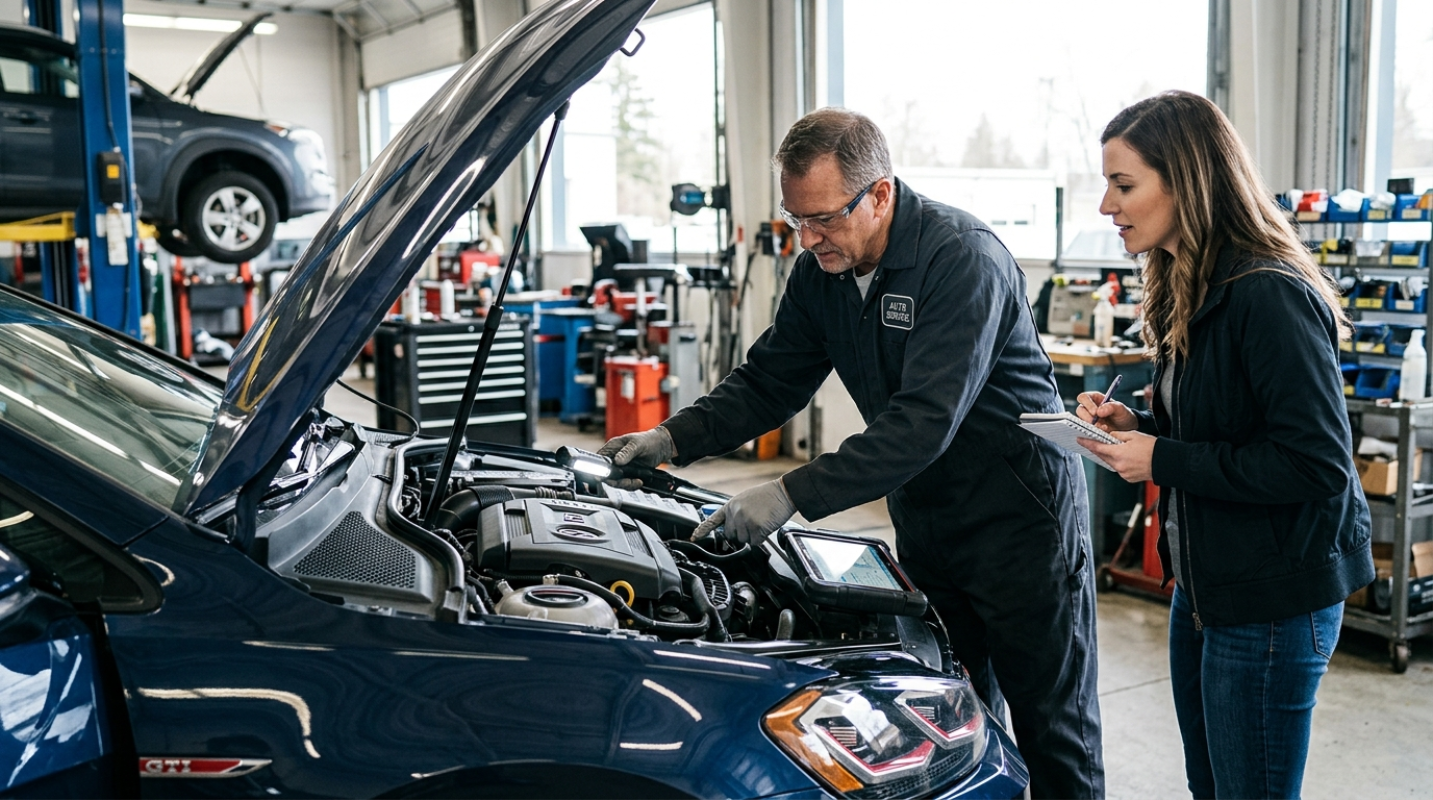
What exactly does it mean when your odometer rolls past 100,000 or even 150,000 miles? It means your vehicle has proven its worth, but it’s no longer playing by the factory rules. That high-mileage number is not an expiration date; it’s a graduation to expert-level care. This isn't just routine maintenance anymore; it’s proactive, preventative preservation. You need to shift your mindset from simply reacting to failures toward anticipating wear. Standard maintenance schedules—the 30k, 60k, 90k checks—should actually be repeated, but with shorter intervals and a closer inspection of components that are simply exhausted from years of service. We’re going to focus on the needed, expert-level care that keeps your older car reliable without demanding a full engine swap.
The Fluid Fundamentals
If the engine is the heart of your car, the fluids are the lifeblood—and in high-mileage vehicles, that blood often gets thick, dirty, and acidic.
Everyone changes the engine oil, but that’s only half the battle. We need to talk about the transmission. For many automatic transmissions, a simple top-off isn’t enough. You need a proper fluid exchange or flush to remove microscopic wear metals and varnish. Don't ignore the warning signs of failing transmission fluid: that distinct, sharp burning smell, slipping gears, or a noticeable whine when the car is in neutral. Recognizing these symptoms early can save you thousands in transmission replacement costs.
For those running diesel engines, you need to shorten that oil interval drastically. Diesel operation produces significantly more soot and contaminants, which break down oil faster. You should be scheduling oil and filter changes every 5,000 to 7,000 miles—not following the 10,000-mile synthetic standard often quoted for newer gasoline cars.
The Important Coolant Check
Coolant isn't just water mixed with antifreeze. It contains corrosion inhibitors that break down over time, making the fluid acidic. This acidity eats away at internal components, leading to water pump failures and radiator leaks. Have your mechanic check the pH and glycol levels of your coolant, especially if you drive a hard-working engine. Similarly, don't forget the differentials and power steering reservoir. These fluids are often neglected, yet they handle massive amounts of heat and friction.
Engine Health Check
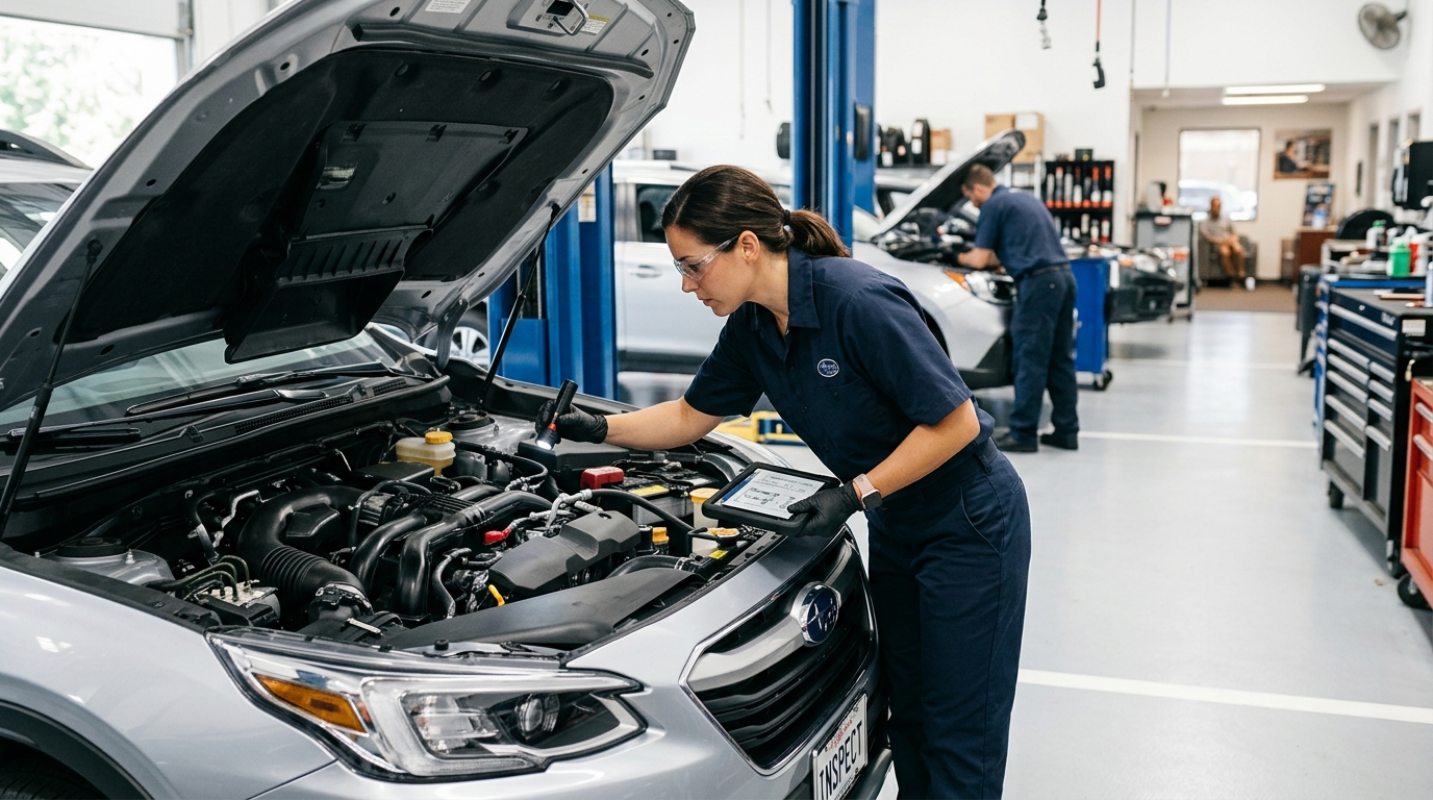
High mileage means old age, and old age means rubber gets brittle. Every service should include a close inspection of all rubber components—hoses, vacuum lines, and the serpentine belt. Look for tiny cracks, hardening, or fraying. A $30 hose failure can lead to a $3,000 head gasket job if the engine overheats instantly.
Then there is the great timing belt gamble. If your engine uses a timing belt (rather than a chain) and you are driving past the manufacturer’s recommended interval, you are on borrowed time. The common replacement interval is every 60,000 to 100,000 miles or every five to seven years, whichever comes first.
When you finally pull the trigger on the timing belt job, always replace the water pump and tensioner at the same time. These components are wear items that are accessed during the belt replacement; leaving the old ones in place is foolish because they are the most likely parts to fail soon after the new belt is installed, forcing you to pay for the labor twice.
Suspension and Braking
Safety and comfort degrade slowly, often so slowly that you don't notice how bad the ride has become. Your shocks and struts are likely tired, leaking oil, and providing minimal dampening. If your car bounces excessively after hitting a dip, they are done. Replacing worn shocks restores stability and significantly improves tire life.
Braking systems need attention beyond just pads and rotors. Brake fluid is hygroscopic—it absorbs moisture from the air over time. Water contamination lowers the boiling point of the fluid, which can lead to brake fade during heavy use. You should replace the brake fluid every few years. Also, make sure your mechanic cleans and lubricates the caliper slide pins. This prevents the calipers from seizing, which causes premature pad wear and poor stopping power.
Finally, check the suspension bushings and engine mounts. If you feel excessive clunking or sloppy steering, worn rubber mounts are usually the culprit, allowing too much play in the steering and drivetrain.
Electrical Systems and Top Recommendations
The electrical system often becomes strained in older vehicles. A weak battery forces the alternator to work overtime, leading to premature failure of that expensive component. Make sure your battery is load-tested regularly. Also, inspect the connections at the alternator and starter for corrosion. High-mileage vehicles are prone to developing resistance in wiring, and clean connections matter to maintaining proper voltage.
To summarize the most important preventative steps for any vehicle over 150,000 miles, focus on these non-negotiables
Top Recommendations for High-Mileage Longevity
- Fluid Exchange Priority: Do not skimp on transmission fluid exchanges or differential fluid changes. These are the cheapest components to replace relative to the parts they protect.
- Timing System Insurance: If your vehicle has a timing belt, prioritize its replacement along with the water pump and tensioner. It is the single biggest catastrophic failure risk.
- Rubber Component Renewal: Replace cracked hoses, brittle vacuum lines, and worn serpentine belts before they fail.
- High-Mileage Oil: Switch to oil specifically formulated for older engines. These often contain additives designed to condition seals, which helps reduce minor oil seepage.
Articles on affordableautomotiveservice.com are for informational purposes only and do not provide professional or legal advice. Consult an expert before making decisions. We are not responsible for actions taken based on this content.