 (Image source: Google / Gemini)
 You’ve finally found it. The car looks perfect in the photos, the price seems fair, and the interior still has that hint of "new car" smell. You might be tempted to sign the papers, hand over your hard-earned cash, and drive off into the sunset. But before you do, have you considered what’s lurking under the hood? In 2026, buying a used car is a high-stakes game. With the average price of a three-year-old vehicle hitting $31,216 last year, you aren't just buying a mode of transportation. You’re making a massive financial commitment.
The Hidden Costs of Skipping a Pre-Purchase Car Inspection
When you buy a used car, you’re usually buying it "as-is." This isn't just a legal phrase. It’s a warning. Once you drive off the lot or away from the seller’s driveway, every squeak, leak, and mechanical failure belongs to you. Most states don't offer lemon law protection for used vehicle transactions, meaning there’s no "undo" button if the transmission falls out two days later.
Have you ever wondered why a car feels great during a ten-minute test drive but starts acting up a week later? It’s because a quick spin around the block isn't enough to uncover deep-seated mechanical red flags. Sellers can easily mask issues. They might top off leaking fluids or clear a dashboard warning light right before you arrive. Without a professional looking at the "bones" of the car, you’re flying blind.
The financial risk of inheriting someone else’s maintenance neglect is staggering. Recent data shows that buyers who skip a pre-purchase inspection (PPI) face an average of $1,000 to $4,000 in unexpected repairs within their first year of ownership.¹ This isn't just bad luck. It’s the reality of a market where repair costs jumped 15% in the last year alone. A brake job that felt affordable a few years ago can now easily top $700 due to parts inflation and technician shortages.
What Exactly Happens During a Vehicle Inspection Before Purchase?
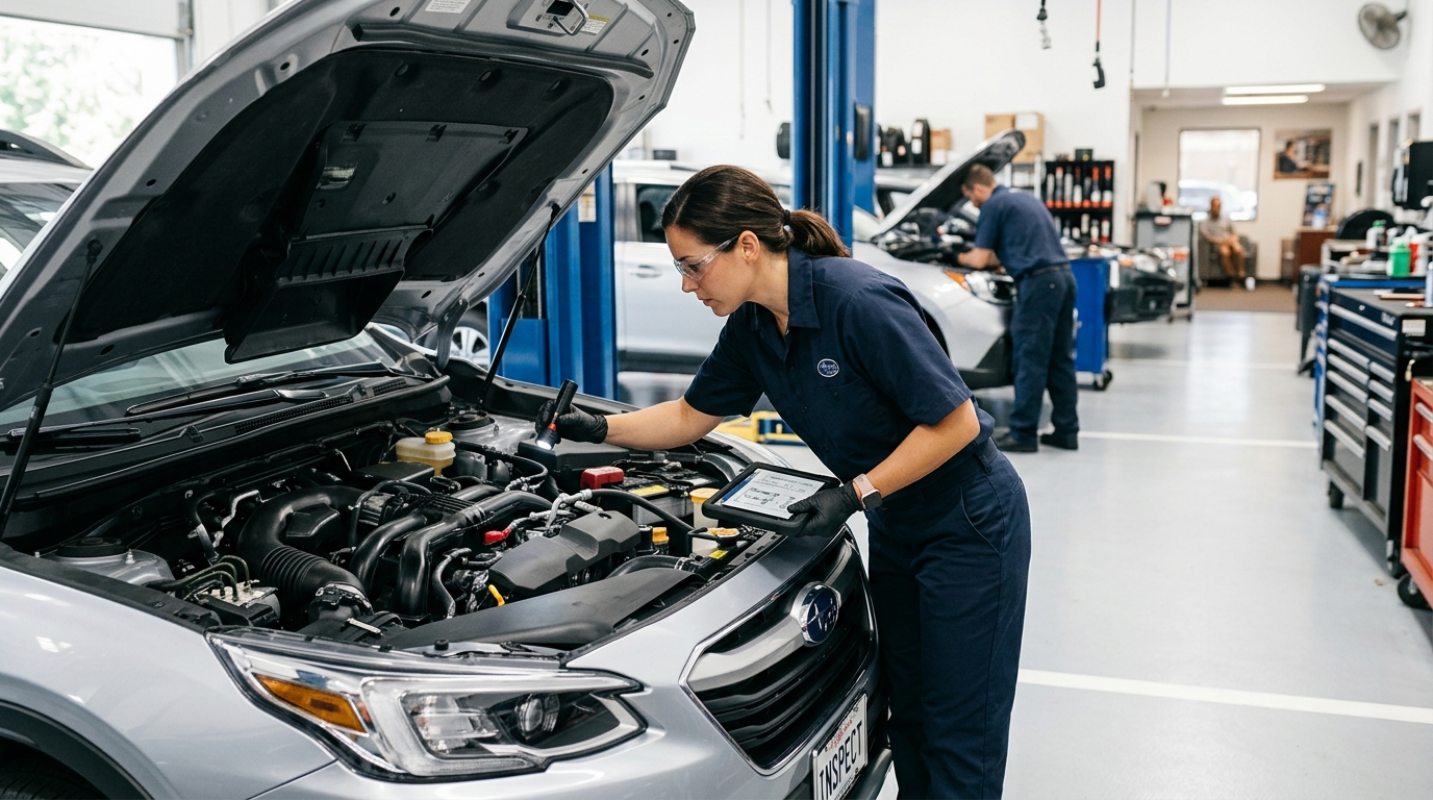
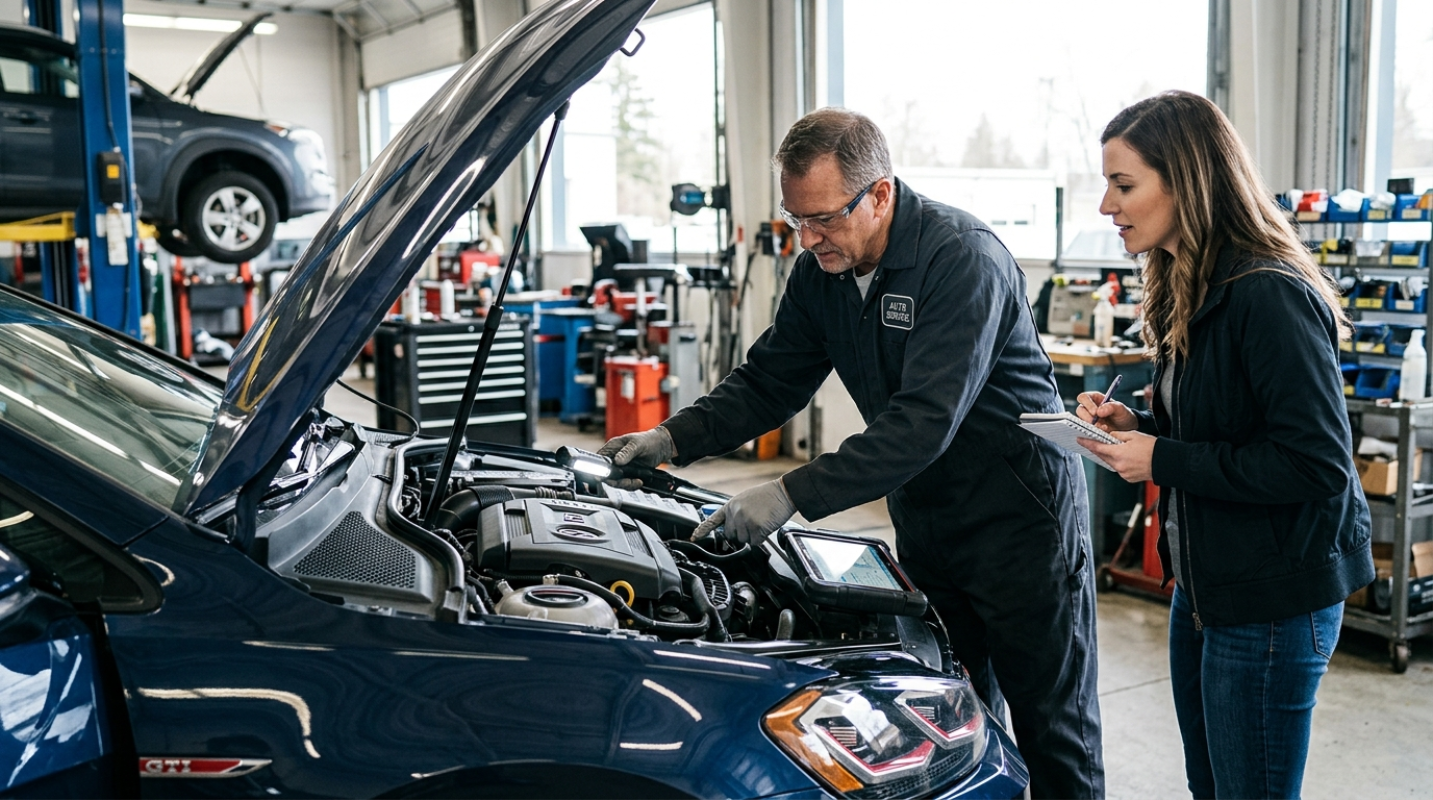
A professional inspection is much more than a basic safety check. Although a state-mandated safety inspection just makes sure the lights work and the tires aren't bald, a complete PPI is a deep-dive diagnostic. Think of it like a full-body scan for a car. You want a mechanic who will get the vehicle up on a lift. This is non-negotiable because you can't see frame damage, suspension wear, or hidden rust from the parking lot.
During a proper inspection, a mechanic looks for "electrical ghosts" and engine health issues that aren't visible to the naked eye. They’ll use an OBD-II scanner to check for "pending" or "permanent" codes. These are digital footprints of problems that haven't triggered a check engine light yet but will soon. They’ll also look for signs of flood damage, which is a massive concern in 2026 following the major weather events of the past couple of years. Silt in the chassis or mold tucked behind door panels are things a standard history report might miss for months.
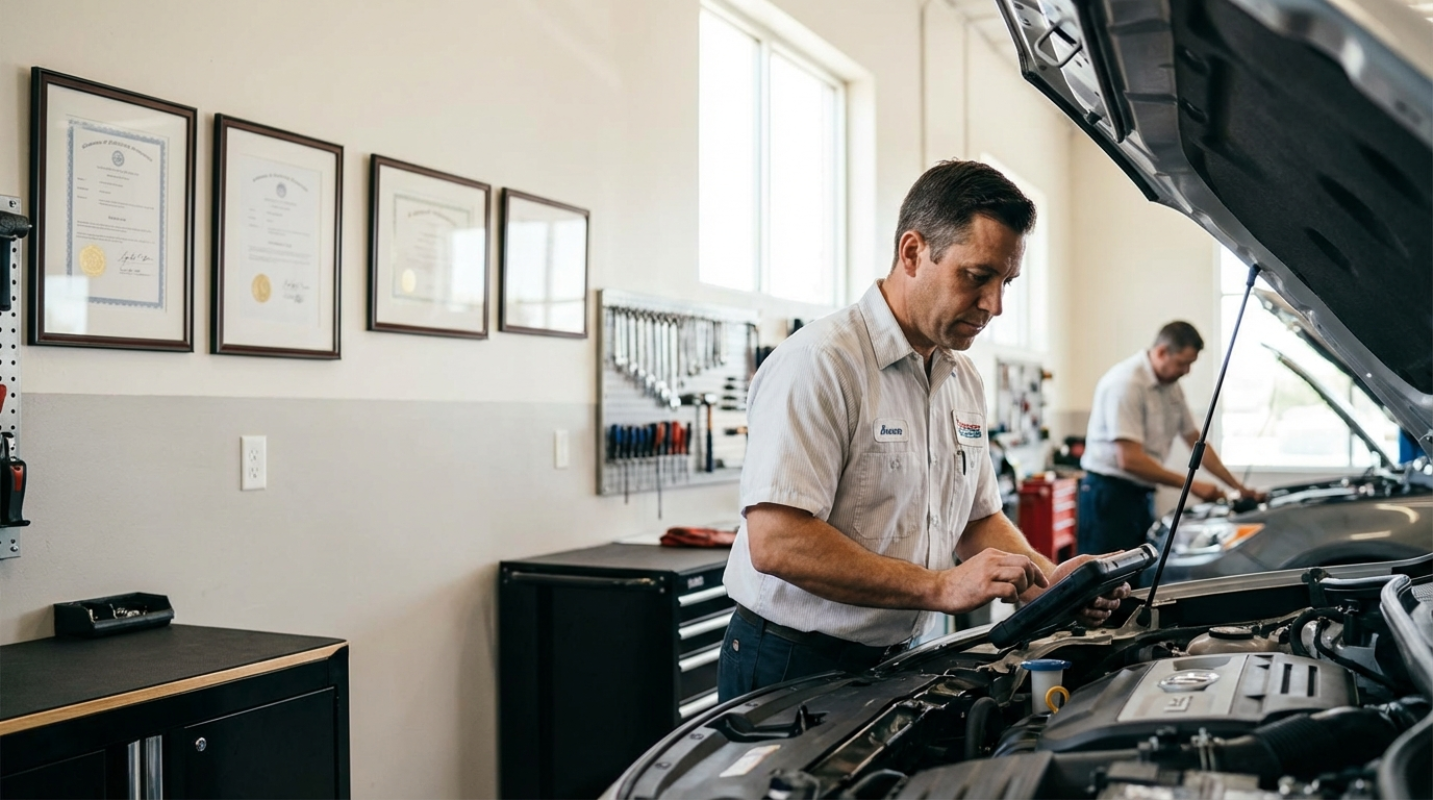
It’s key to use a neutral third-party mechanic. Never rely on the shop the seller recommends. You need someone whose only job is to tell you the truth, not someone trying to help their buddy close a sale. If you’re buying a car online or from another city, you can even hire mobile inspectors who will go to the vehicle and send you a digital report with dozens of photos.
Using Inspection Reports for Better Used Car Buying Tips
Once you have that inspection report in your hands, you have something more valuable than just information. A PPI report is a powerful negotiation tool that can pay for itself ten times over. Instead of vaguely asking for a lower price, you can present a line-item list of necessary repairs.
So what does this actually mean for your wallet? Let’s look at common issues found during inspections and what they might cost you in 2026.
• Worn Brakes and Rotors: These can cost between $700 and $1,200 to replace. If the PPI finds them, you can ask for that exact amount off the price.
• Leaking Radiator or Hoses: These often run between $600 and $1,100. Most sellers will agree to fix this before the sale just to keep the deal alive.
• Suspension Components: Worn struts or control arms can cost $800 to $1,500, giving you significant use for a price drop.
• Transmission Issues: This is the big one. With repairs ranging from $2,500 to $5,500, finding this in a PPI is a clear sign to walk away.
The return on investment here is incredible. You might spend $200 on a standard inspection, but if it saves you from a $3,000 transmission failure, that’s the smartest money you’ll ever spend. It’s about identifying deal-breakers versus minor wear and tear. You don't expect a used car to be perfect, but you do expect to know exactly what you’re paying for.
Peace of Mind: The Long-Term Value of an Inspected Vehicle
The value of a PPI extends far beyond the day you buy the car. It’s about avoiding that sinking feeling of a "surprise" repair bill three weeks after you’ve already stretched your budget to make the purchase. By getting an inspection, you’re building a roadmap for your future maintenance. The mechanic might tell you the car is solid now but will need tires in six months. That’s information you can use to budget effectively.
There’s also the safety aspect to consider. About 1 in 4 used cars are estimated to have a hidden problem that the seller knows about but hasn't disclosed. Even more concerning is that some vehicles carry outstanding liens or title issues that a thorough inspection process can help flag.³ Making sure the vehicle is safe for you and your family is a priority that doesn't have a price tag.
Even if you’re looking at a Certified Pre-Owned (CPO) vehicle, don't skip the independent check. Although CPO cars come with warranties, dealers sometimes overlook smaller issues to meet sales quotas. An independent mechanic is your last line of defense against a car that was "passed" just to get it off the lot.
Making the Inspection Part of Your Used Car Buying Approach
How do you ask for an inspection without offending the seller? It’s all in the approach. Simply state that it’s your personal policy for any major purchase. If a seller refuses to let a professional look at the car, that’s your cue to leave. A transparent seller has nothing to fear from a mechanic.
When looking for a qualified mechanic, keep these tips in mind:
1. Look for ASE-certified technicians who specialize in the specific brand of car you’re buying.
2. Make sure they have a physical shop with a lift, as "parking lot" inspections are limited.
3. Check for AAA-Approved Auto Repair (AAR) shops, as members often get discounted rates on inspections.
Ultimately, a pre-purchase inspection is the single most important investment you can make when buying used in 2026. With wholesale costs for parts like brake rotors up 40% since 2023, you can't afford to guess. It’s the difference between buying a reliable vehicle and inheriting a "pack of trouble." Be smart, spend a couple of hundred dollars upfront, and drive away knowing exactly what’s under your feet.
Sources:
1. Costs of Skipping Inspection on Used Cars
https://www.spokaneauto.com/blogs/4572/costs-skipping-inspection-used-cars
2. Used Car Pre-Purchase Inspection Market
https://www.wiseguyreports.com/reports/used-car-pre-purchase-inspection-market
3. Navigate Your Car Buying Journey
https://www.amerifreight.net/information/kbb-review-handle-your-car-buying-journey
*This article on affordableautomotiveservice.com is for informational and educational purposes only. Readers are encouraged to consult qualified professionals and verify details with official sources before making decisions. This content does not constitute professional advice.*