 (Image source: Google Gemini)
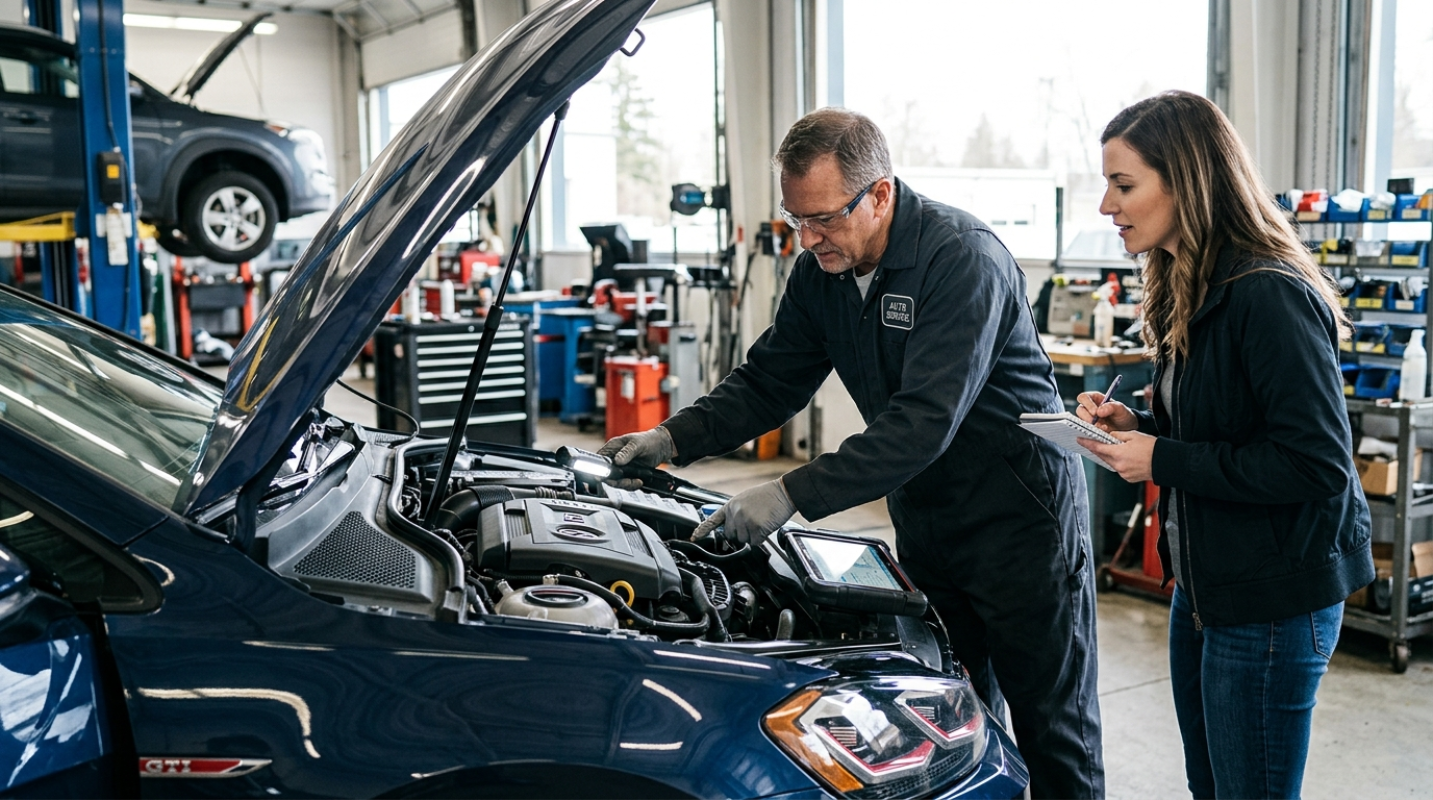
 You have probably been there before. You pull into the service drive for a simple oil change, and twenty minutes later, a service advisor walks over with a digital tablet or a clipboard. They tell you they have finished the multi-point inspection. If you are like most drivers, you might wonder if this is just a formal way of looking for more things to sell you. Is it a genuine safety check or just a routine part of the paperwork? Think of a multi-point inspection (MPI) as a wellness physical for your vehicle.
Just as a doctor checks your blood pressure and heart rate even when you feel fine, a technician looks at the key organs of your car to catch issues before they leave you stranded on the side of the highway. In 2026, these inspections have moved far beyond a mechanic poking around with a flashlight. They are now high-tech, data-driven events that give you a transparent look at exactly what is happening under the hood.
Regular inspections offer a level of peace of mind that you just cannot get by waiting for a warning light to pop up on your dashboard. By the time a light turns on, the damage is often already done. A proactive checkup make sures that your car remains reliable, safe, and ready for whatever road trip or daily commute you have planned.
Decoding the Car Inspection Checklist
When a technician performs an MPI, they follow a standardized checklist designed to make sure that no component, no matter how small, gets overlooked. This consistency is important because it removes the guesswork from the process. In years past, you might have worried that a mechanic only looked at what was easy to reach. Today, the process is rigorous and covers everything from your wiper blades to your brake pads.
The checklist is generally divided into several major systems that keep your car moving and stopping correctly. Technicians look at the "Traditional Core" components, which include the following items.
Fluids: This includes checking the levels and the quality of your engine oil, transmission fluid, brake fluid, coolant, and power steering fluid.
Brakes: The technician measures your brake pad thickness in millimeters and inspects the condition of the rotors and calipers to make sure you have maximum stopping power.²
Tires: This is about more than just air pressure. They measure tread depth in 32nds of an inch and look for uneven wear patterns that might suggest your car needs an alignment.³
Under the Hood: This involves a close look at your battery health, including voltage and cold cranking amps, along with an inspection of belts and hoses for any signs of cracking or leaks.
Beyond these basics, modern inspections in 2026 now include checks for Advanced Driver Assistance Systems (ADAS). If your car has lane-keep assist or emergency braking, the technician verifies that the cameras and sensors are clear and functioning. Since roughly 65% of repairs now involve some form of ADAS calibration, this has become a key part of the routine.⁴
Behind the Scenes of a Professional Service
If you could walk into the shop during an inspection today, you would see a mix of old-school mechanical skill and cutting-edge technology. Many modern shops have moved away from manual checks for everything. You might drive through an AI-powered scanner that uses high-speed cameras to detect underbody damage or tire defects in seconds before a human even touches the car.
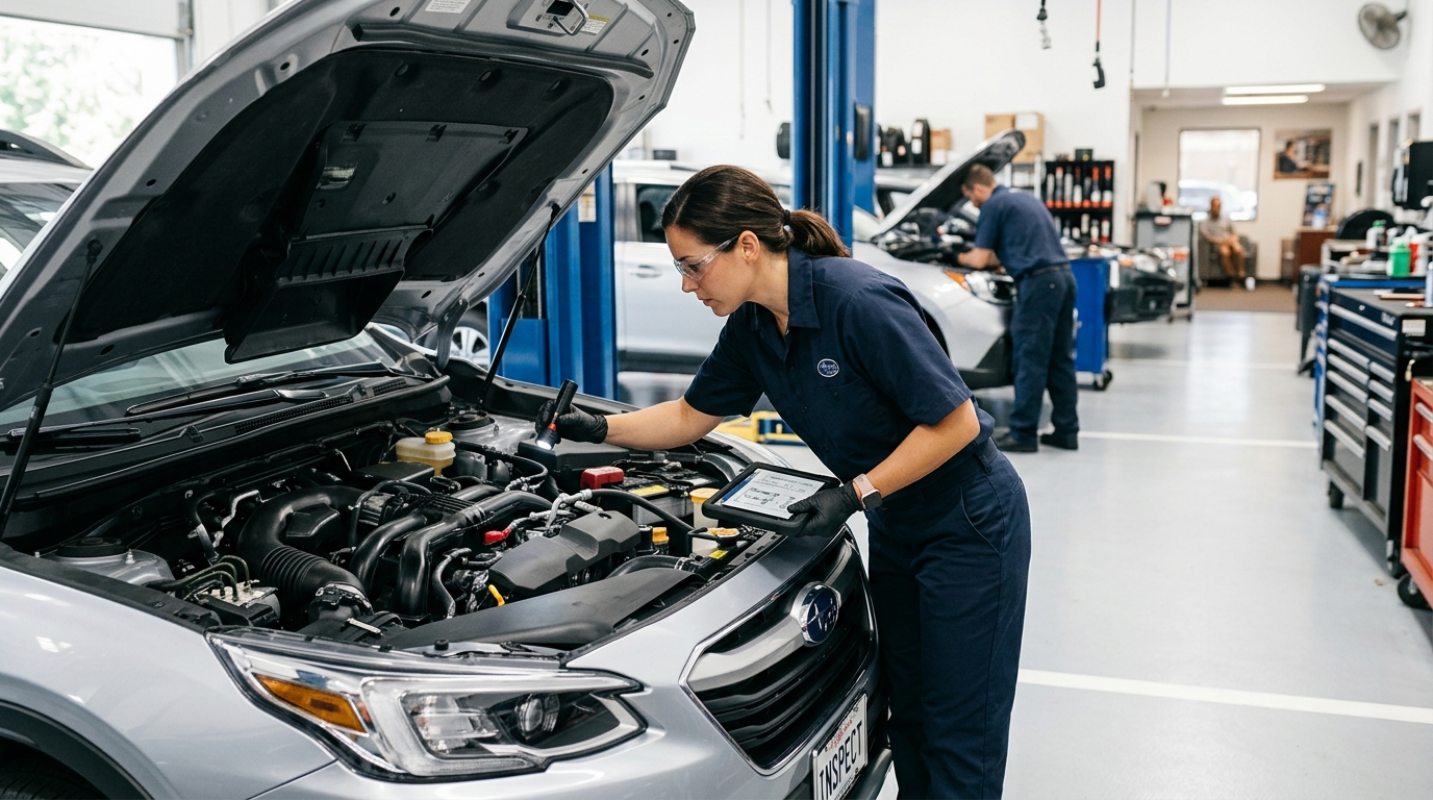
Once the car is on the lift, the physical process begins. The technician performs a visual inspection of the chassis, looking for leaks or worn suspension components. They use specialized diagnostic tools to test the battery and electronic systems. This is not just about looking for what is broken today. It is about assessing the remaining life of your parts.
To make these findings easy for you to understand, most shops use a "traffic light" reporting system. This color-coded method helps prioritize what needs your attention right now versus what can wait.
Green: Everything is in great shape. These parts are healthy, and the technician has documented them for your records so you have a baseline for future visits.
Yellow: These items show normal wear and tear. They do not need an immediate fix, but you should plan to address them in the next three to six months.
Red: This indicates a safety or reliability concern. A red finding means the part has failed or is at high risk of failing soon. These are the items you should consider fixing before you leave the shop.
Transparency and Trust in Your Report
The days of a service advisor scribbling notes on a greasy piece of paper are mostly over. In 2026, you should expect a Digital Vehicle Inspection (DVI) report sent directly to your phone via text or email.⁷ These reports are a game-changer for transparency because they usually include photos and videos of your actual car.
When you see a photo of a frayed belt or a video of a leaking water pump, it changes the conversation. It is no longer about just taking someone's word for it. You can see the evidence for yourself. Research shows that when shops include this kind of visual proof, customer approval rates for repairs jump by nearly 20%.⁷ It turns the inspection from a sales pitch into an educational moment.
Do not be afraid to ask questions about the "yellow" items on your report. A good service advisor will explain the "why" behind a recommendation. Instead of just saying you need a fluid flush, they should explain how that fluid prevents corrosion in your engine. This information helps you to make an informed decision based on your budget and how much you drive.
To get the most out of your vehicle and make sure your inspection process is as smooth as possible, consider these proactive steps.
Investing in Your Cars Future
Consistent inspections are the single best way to extend the lifespan of your vehicle. Although it might seem like an extra step in your busy day, catching a small leak now can save you from a multi-thousand-dollar engine replacement later. It is an investment in the long-term health of your car and, more importantly, the safety of everyone inside it.
Since the beginning of 2025, many states have shifted away from mandatory government safety inspections, putting the responsibility of vehicle maintenance entirely on the owner.¹ This means it is up to you to stay on top of your car's health. By scheduling regular multi-point inspections, you make sure that your vehicle remains a reliable tool rather than a source of stress.
The next time you head in for service, take a few minutes to walk through that digital report. Look at the photos, ask about the yellow items, and take pride in knowing that you are taking the right steps to keep your car on the road for years to come. Total confidence on the road starts with knowing exactly what is happening under the hood.
Sources:
1. CCC Intelligent Solutions Crash Course 2025
https://www.cccis.com/reports/crash-course-2025/q1
2. Auto Training Centre Guide to MPI
https://www.autotrainingcentre.com/blog/auto-service-advisors-guide-multi-point-vehicle-inspections/
3. Detrack Ultimate Inspection Checklist
https://www.detrack.com/blog/the-ultimate-vehicle-safety-inspection-checklist-for-2025/
4. AAAA ADAS Industry Code of Conduct
https://www.aaaa.com.au/wp-content/uploads/2025/06/ADAS-Industry-Code-Of-Conduct-print.pdf
5. AutoLeap Digital Vehicle Inspections
https://autoleap.com/blog/everything-you-need-to-know-about-digital-vehicle-inspections/
*This article on affordableautomotiveservice.com is for informational and educational purposes only. Readers are encouraged to consult qualified professionals and verify details with official sources before making decisions. This content does not constitute professional advice.*