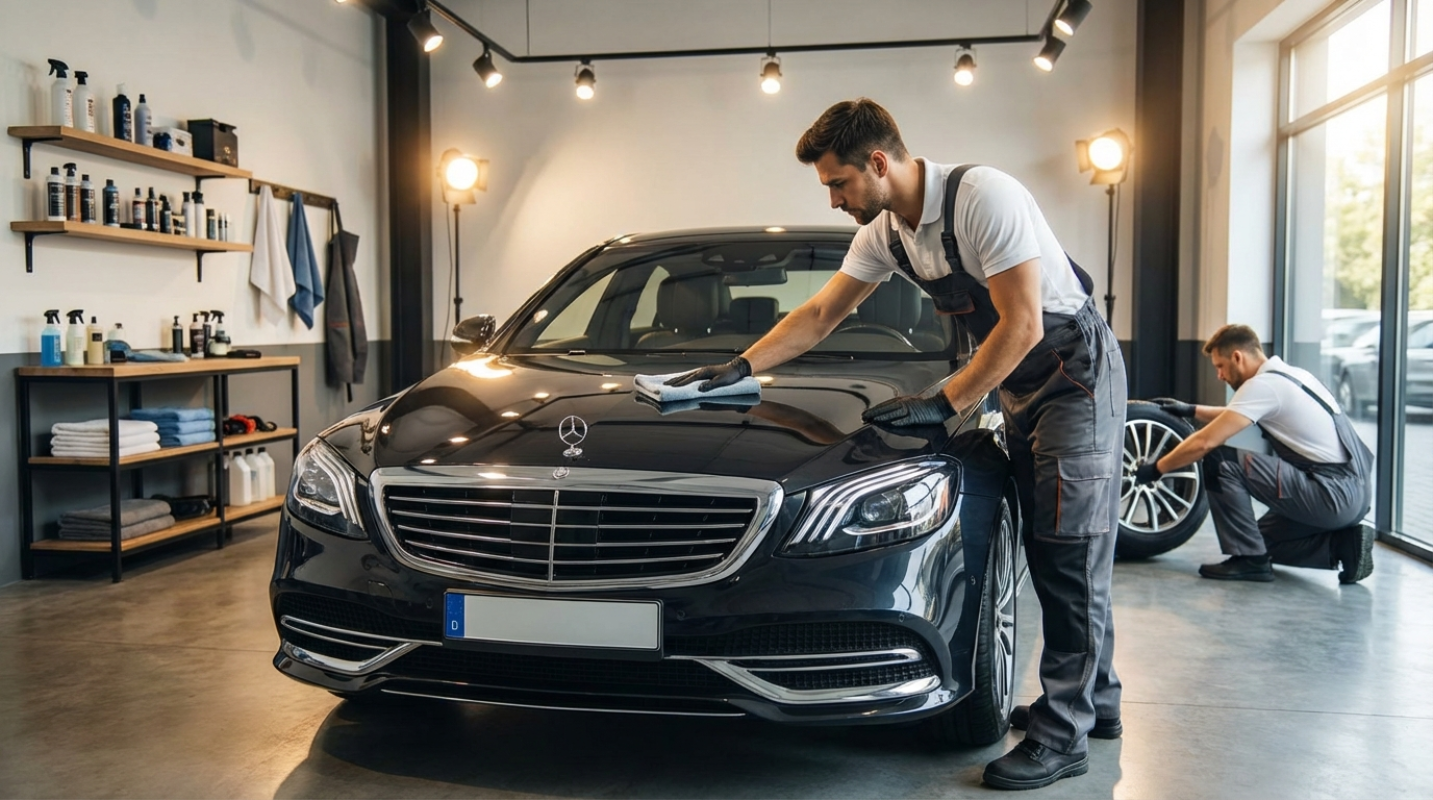
You love your car. You spent hours researching the model, maybe agonizing over the exact shade of paint. And naturally, you want that deep, wet showroom look to last. Sound familiar? For decades, the answer to preserving that finish was simple: wax. But wax is temporary. It’s a sacrificial layer that offers minimal protection and washes away in a matter of weeks, especially if you live somewhere with harsh weather or relentless UV exposure. Today, automotive technology has leapfrogged that sticky, short-lived solution. The modern answer is ceramic coating. Often called nano-ceramic coating, this isn't a quick detailer or a glorified sealant. It’s a liquid polymer, typically based on silica dioxide (SiO2), that chemically bonds with your vehicle’s factory paint. Once cured, it forms a semi-permanent, hardened shield. This shield doesn’t just sit on top of the paint; it becomes an integral part of the surface.
This process sounds scientific, but the results are undeniably aesthetic and practical. The question isn’t whether ceramic coating works—it’s whether the investment delivers enough value to justify the price tag. This article will break down the true value proposition of ceramic coating, showing why it’s become the gold standard for protecting your automotive investment in 2026.
Durability, Shine, and Chemical Resistance
What exactly is happening when a professional applies a ceramic coating? You’re not getting a thicker layer of clear coat; you’re getting a chemically resistant barrier that fundamentally alters the surface tension of your paint.
The key ingredient is SiO2 (silicon dioxide), often derived from quartz. When applied, this liquid forms a molecular lattice that cures to a measurable hardness, typically rated 9H on the pencil hardness scale. For reference, this is the hardest possible rating, making the surface significantly more resilient than the original clear coat.
Aesthetic Superiority and Depth
One of the first things owners notice is the dramatic improvement in gloss. Because the coating is perfectly smooth and fills in microscopic imperfections, it acts like a magnifying glass for your paint. It creates a depth of shine that wax simply can’t replicate. This intense, almost wet look is permanent for the lifespan of the coating, typically lasting anywhere from two to five years, and sometimes up to eight or ten with premium, multi-layer applications.
Resistance to Environmental Assault
Beyond the shine, the real value lies in the protection. Your car’s clear coat is constantly attacked by environmental hazards
- UV Damage: The sun’s rays cause paint to oxidize, leading to dullness and fading. Ceramic coatings act as a powerful UV filter, preserving the integrity and color depth of your paint.
- Chemical Etching: Bird droppings, bug guts, and acidic rain are corrosive. If left on bare paint, they will etch into the clear coat, requiring expensive correction work. The dense ceramic layer resists mild chemical etching, giving you more time to clean up messes before damage occurs.
- Water Spotting: Although no coating eliminates water spots entirely, the latest evolution in coatings, those incorporating Graphene Oxide (GO2), offer superior thermal management and significantly better resistance to water spots than traditional SiO2 products.
Protecting Resale and Reducing Maintenance Costs
When considering the initial cost of a professional ceramic application—which generally ranges from $500 to $3,000+ depending on the vehicle size and necessary paint correction work—it can feel like a major expense. But look closely at the long-term cost of ownership.
The Maintenance Revolution
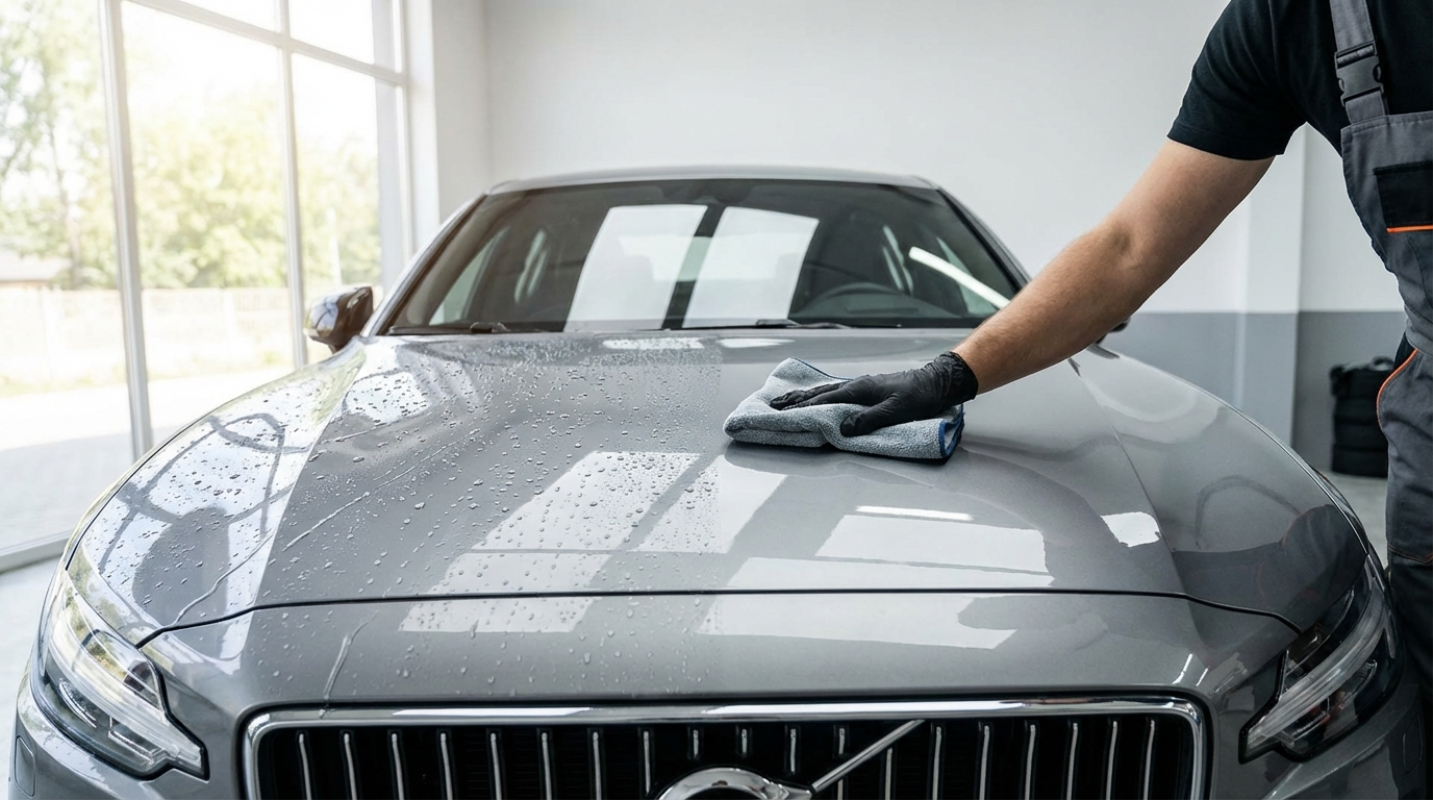
The single greatest ongoing benefit of a ceramic coating is its hydrophobic property. Think of "hydrophobic" as "water-fearing." When water hits the coated surface, it beads up dramatically and rolls right off, taking surface dirt and contaminants with it.
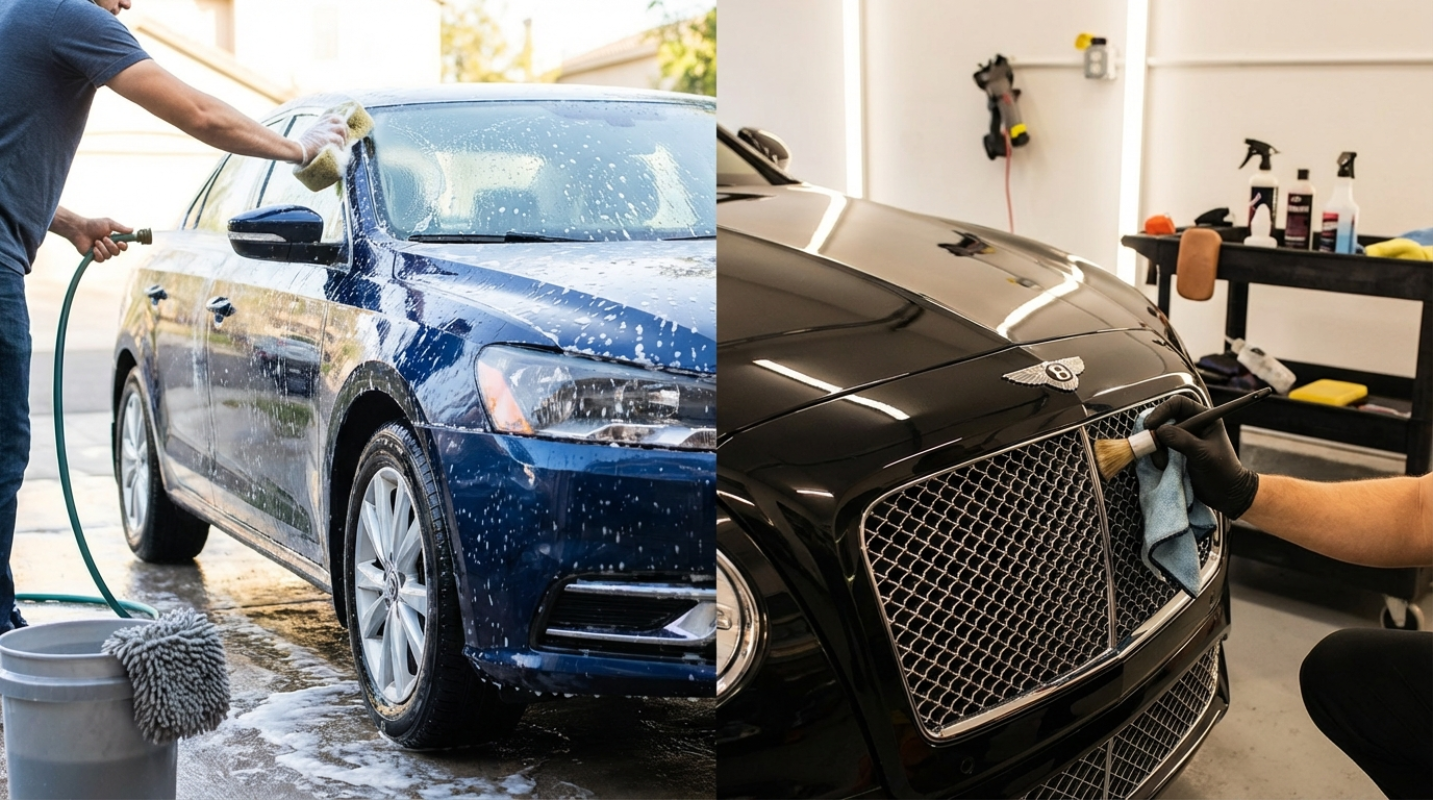
This means washing your car is easier, faster, and requires less effort. You’ll save money on detailers, expensive quick-wax products, and the sheer time required for weekly washing. For most owners, a simple pressure wash and a quick wipe-down with a microfiber towel is enough to restore the shine. You’re not just buying protection; you're buying back your time.
Preserving Your Investment
The greatest financial argument for ceramic coating is its impact on resale value.
Used car buyers are highly sensitive to cosmetic condition. A car with pristine, deep paint instantly commands a premium. Because ceramic coating preserves the factory clear coat beneath a durable, chemical-resistant shell, it make sures the paint looks factory-fresh years later.
Automotive experts and industry detailers report that vehicles with ceramic coatings can often command an increase in resale value of between 5% and 10% compared to non-coated, similarly aged counterparts. This isn't just theory; the exceptional gloss and "like-new" appearance make the vehicle stand out immediately, attracting higher bids and shortening the time the car spends on the market. It demonstrates to the potential buyer that the original owner took exceptional care of the asset.
Dispelling Myths and Setting Realistic Expectations for Your Ceramic Coating
The ceramic coating industry, unfortunately, has been plagued by hype. To truly understand its value, you need to know what it doesn't do.
It Is Not Scratch-Proof
This is the biggest misconception. Although a 9H hardness rating makes the clear coat significantly more resilient to light abrasion and micro-marring (the fine swirl marks often caused by poor washing techniques), it is not scratch-proof. A key, a tree branch, or a reckless car wash brush will still damage the paint.
If you’re seeking true impact and deep scratch protection, you need to look at Paint Protection Film (PPF). Ceramic coating is a shield against chemical erosion and minor surface defects, not a suit of armor against physical impact.
Professional Application is Key
Although DIY kits are tempting because they're cheaper, they rarely deliver the same durability or performance as a professional job. Why? Because 80% of the coating process is the preparation.
A certified installer doesn't just wipe on the product; they spend hours performing paint correction. This means clay barring, compounding, and polishing the finish to remove all existing swirl marks, scratches, and contaminants before the coating is applied. If the coating is applied over existing defects, those defects are sealed in for years. Professional application make sures longevity, with premium coatings often lasting five years or more.
Maintenance Requirements
A coating drastically reduces maintenance, but it doesn’t eliminate it. To get the most from the coating’s lifespan, you still need to
- Wash the car regularly to prevent heavy mineral deposits from forming.
- Use pH-neutral soaps specifically designed for coated vehicles.
- Avoid abrasive cleaning materials.
Top Recommendations
If you're ready to make the jump, the next step is research. Look for certified detailers who specialize in high-quality, professional-grade coatings. Don’t hesitate to ask about the specific SiO2 or Graphene-based product they use and what level of paint correction is included in their quoted price.