Winter is coming, and it is bringing more than just snow days and hot chocolate. For your car, the arrival of freezing temperatures is practically a declaration of war. You have probably noticed that your vehicle sounds a little grumpy when you turn the key on a frosty morning. It might groan, shudder, or hesitate before roaring to life. That is because cold weather changes the physics of how your car operates. Fluids get thicker, rubber gets harder, and chemical reactions slow down. Asking your car to perform in sub-zero temperatures without preparation is like trying to run a sprint in a blizzard while wearing flip-flops. It is just asking for trouble. While some automotive services might seem like optional upsells, winterization is a critical survival strategy for your vehicle. Getting stranded on the side of the road is annoying in the summer, but it can be downright dangerous in the winter. Understanding which services actually make a difference will keep you safe and keep your heater running warm all season long.
The Science of Not Freezing
The most important fluid in your engine during the winter months is your coolant, which is also commonly called antifreeze. It has a dual personality. In the summer, it keeps your engine from overheating, but in the winter, its job is to keep the water inside your engine block from turning into a solid block of ice. If you skipped chemistry class, here is the short version: when water freezes, it expands. If the fluid inside your engine freezes and expands, it can crack the metal engine block, which is a catastrophic failure that effectively ruins your car.
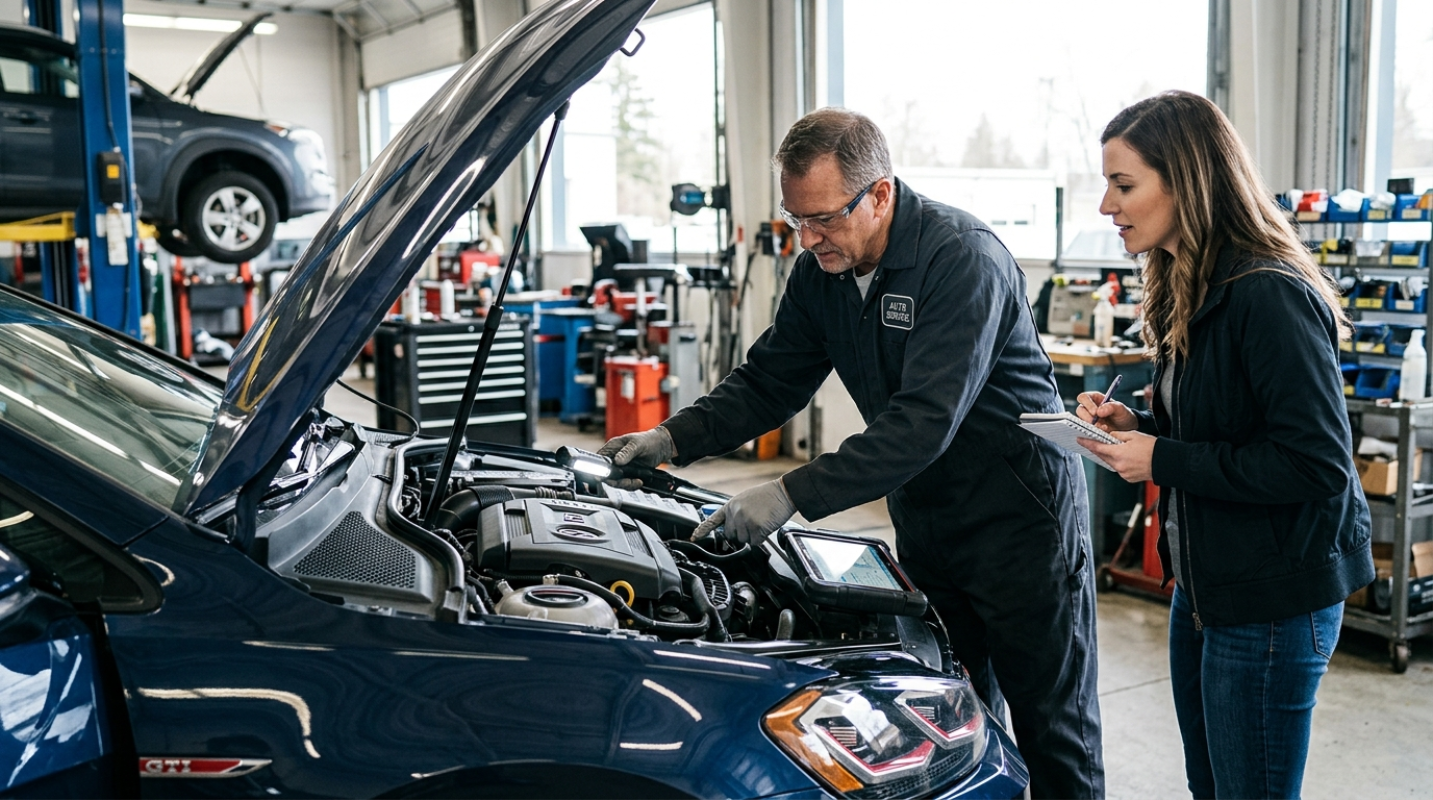
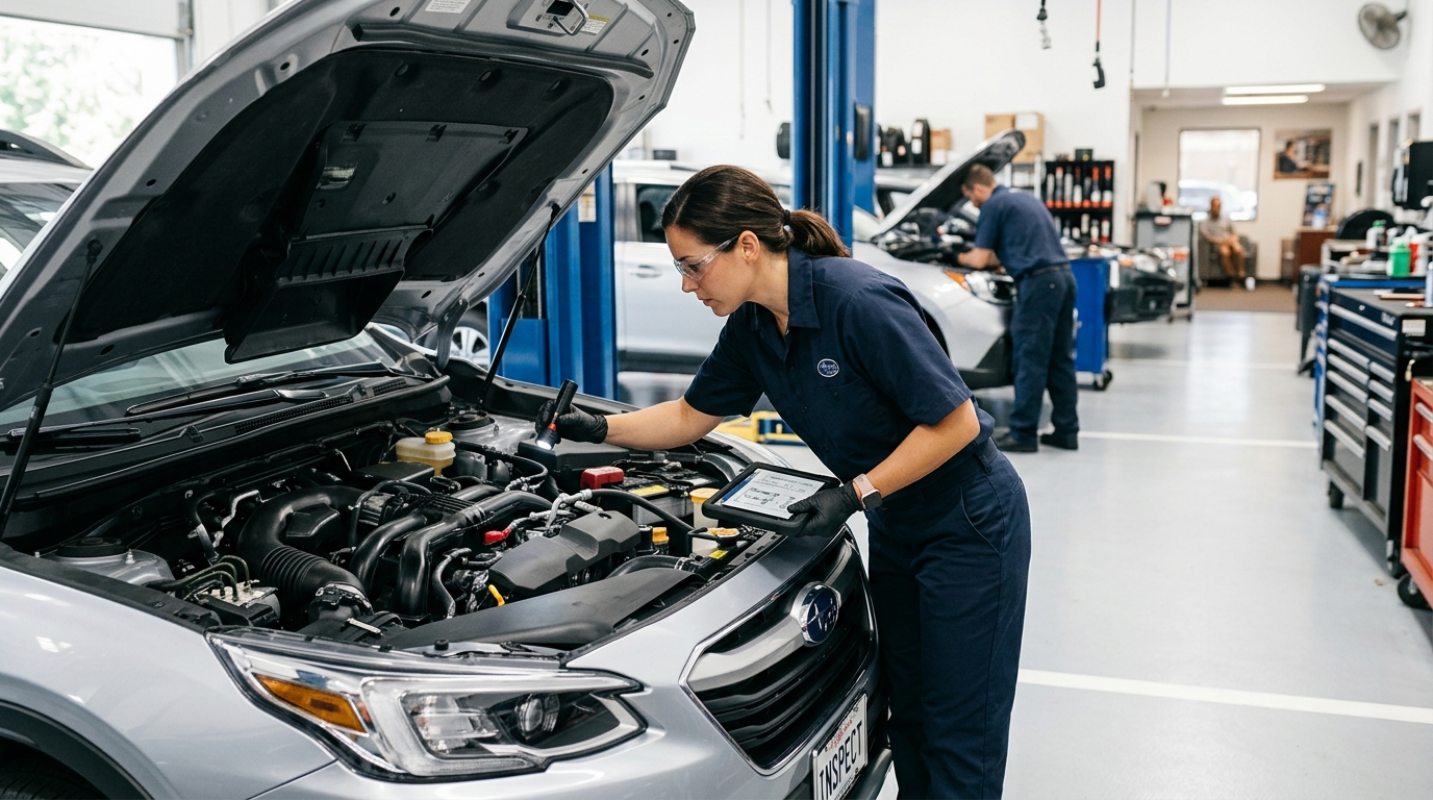
A proper winterization service involves testing the strength of your antifreeze. Over time, the protective chemicals in the fluid break down, raising the temperature at which it freezes. A mechanic uses a simple tool to test the freezing point of your current fluid. If it is too weak, they will perform a coolant flush. This involves draining the old, worn-out fluid and replacing it with a fresh mixture, usually a fifty-fifty split of antifreeze and water. This fresh mix ensures your engine stays liquid even when the thermometer drops well below zero, protecting your engine from cracking and ensuring your cabin heater works efficiently.
Powering Through the Freeze
We have all been there. You run out to your car on a freezing morning, turn the key, and... nothing. Just a sad clicking sound. Car batteries hate the cold more than you do. A battery works through a chemical reaction that creates electricity. When the temperature drops, that chemical reaction slows down significantly. At freezing temperatures, a fully charged battery loses about a third of its power. At the same time, the engine is harder to turn over because the oil inside has thickened up like molasses. This creates a perfect storm where your battery is weaker right when the engine demands the most power.
A battery health check is a quick but vital service. Technicians use a specialized tester that puts a "load" on the battery to simulate starting the car. They measure something called Cold Cranking Amps, or CCA. This number tells you how much power the battery can deliver at zero degrees Fahrenheit. If your battery tests weak, replacing it before the first big snowstorm is a smart move. It is much cheaper and more convenient to buy a battery on your own schedule than to pay for an emergency tow or wait hours for a jump start in a freezing parking lot.
Grip Games: Tires and Pressure
Your tires are the only thing connecting your vehicle to the road, and winter conditions make that connection incredibly slippery. One major issue that winterization addresses is tire pressure. Basic physics dictates that for every ten-degree drop in outside temperature, your tires lose about one pound per square inch (PSI) of pressure. A tire that was perfectly inflated in July could be dangerously underinflated in January. Driving on underinflated tires reduces your traction and increases the risk of a blowout. A winter service includes checking and adjusting the pressure to the manufacturer’s specifications for cold weather.
Beyond pressure, the type of rubber matters. All-season tires start to harden when temperatures drop below forty-five degrees. When the rubber gets hard, it becomes like a plastic hockey puck sliding on ice. Winter tires are made from a special compound that stays soft and flexible even in freezing temps, allowing them to grip the road better. If you live in an area with heavy snow, swapping to winter tires is a service that drastically improves your safety. Even if you stick with all-seasons, a technician will measure your tread depth. You need deep grooves to channel slush and snow away from the tire. If your tread is worn down, your car will float on top of the snow instead of digging through it, leading to a loss of control.
Seeing Clearly Through the Storm
Visibility is often the first casualty of a winter storm. Sleet, snow, and road salt spray can turn your windshield into an opaque mess in seconds. Standard windshield wipers are designed with a metal or plastic frame that holds the rubber blade. In the winter, snow and ice can pack into this frame, freezing the wiper so it can't flex against the curved glass. This leaves you with huge streaks where the wiper isn't touching the windshield. Winter wiper blades are designed differently. They usually feature a sleek "beam" design or a rubber boot that covers the frame, preventing ice buildup and ensuring the blade stays pressed firmly against the glass.
Paired with the blades is the washer fluid. That blue liquid you buy at the gas station isn't all the same. "Summer" blends are mostly water and detergent, which will freeze solid in the reservoir lines when it gets cold. Winterization involves draining that summer fluid and refilling the system with a winter-rated washer fluid that contains a higher concentration of alcohol. This prevents the fluid from freezing in the lines and helps melt light frost on contact with the windshield. Checking the spray nozzles to make sure they aren't clogged with wax or debris is the final touch to ensure you can wash away the blinding gray slush kicked up by the truck in front of you.