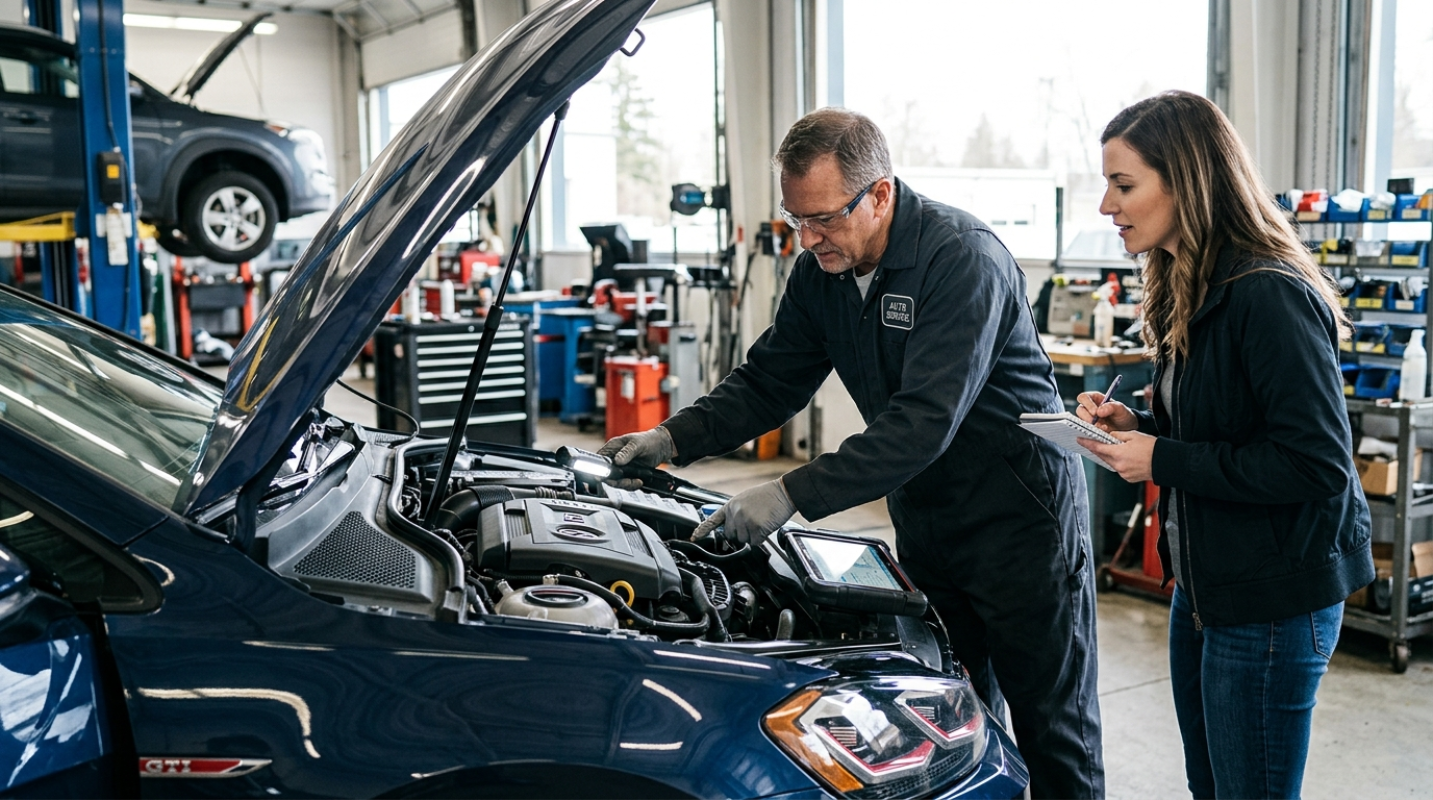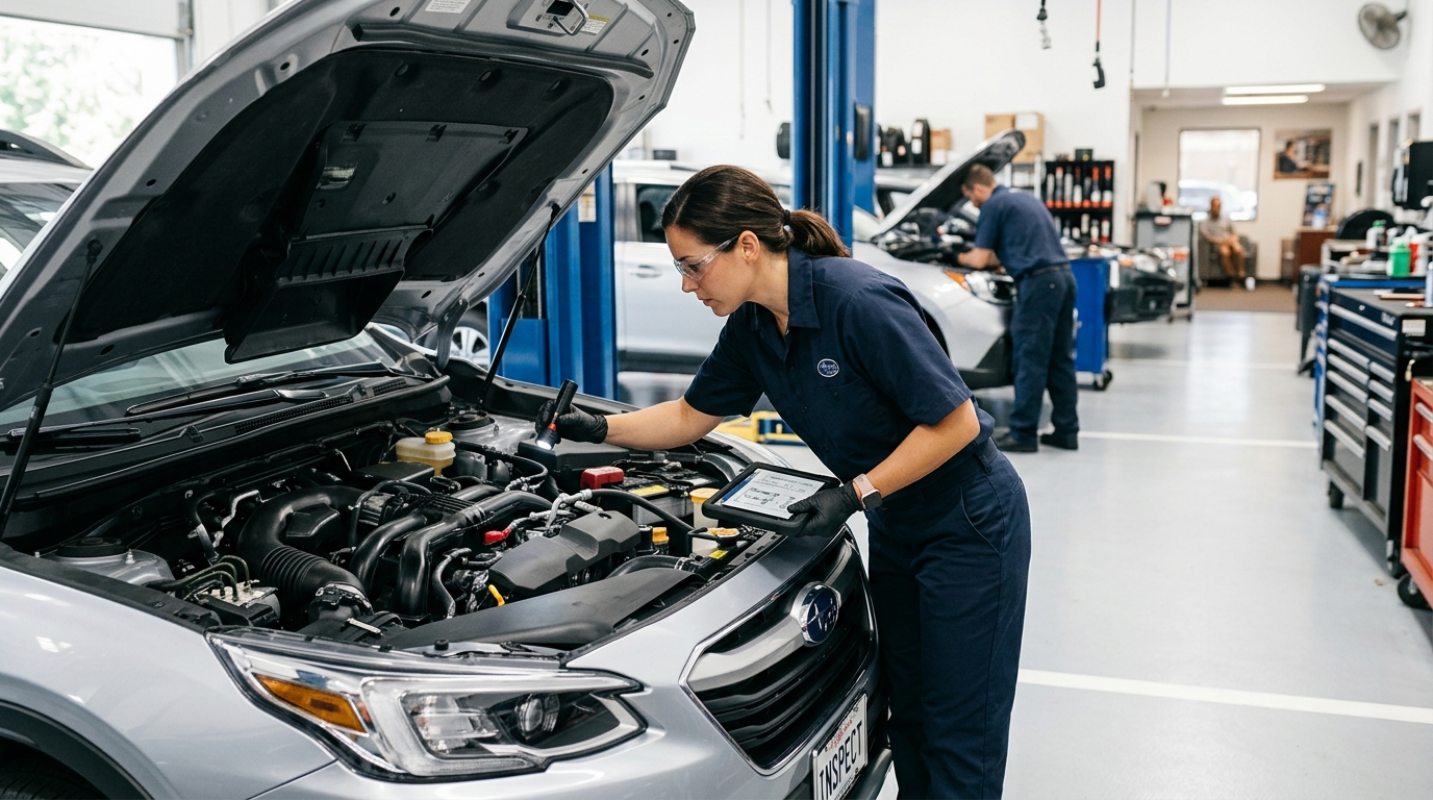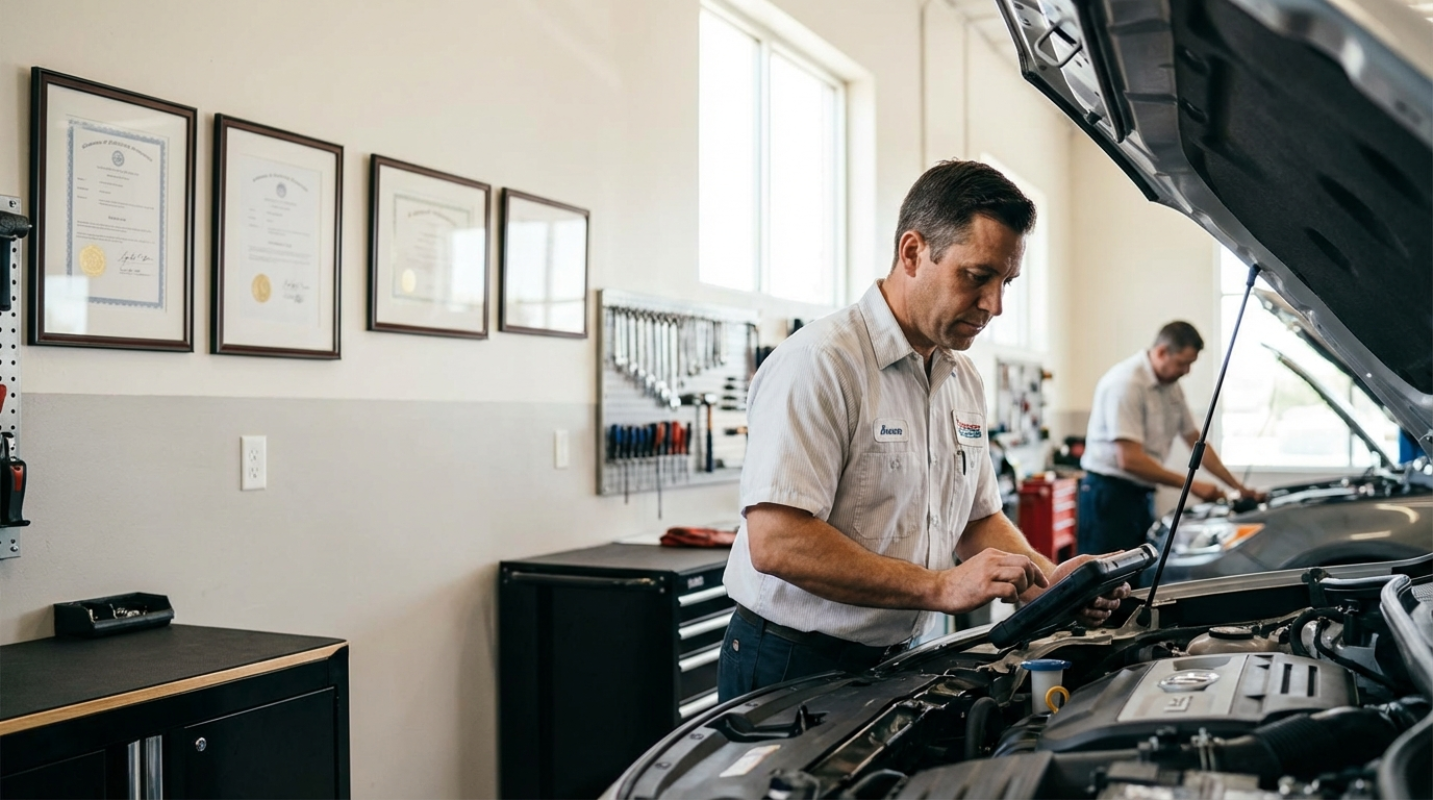
Handing over your car keys to a mechanic is one of the biggest acts of trust in modern life. Your vehicle isn’t just a convenience; it’s the lifeline that gets you to work, school, and everywhere in between. When that lifeline breaks down, stress levels spike, and the fear of being overcharged or misled becomes very real. Sound familiar? The auto repair industry has changed dramatically, especially with the rise of complex computer systems and electric vehicles. You shouldn’t have to settle for guesswork or vague promises. You are the customer, and you are in control of this decision. The secret to a great long-term relationship with a repair shop is simple: due diligence. By asking a few specific, smart questions upfront, you filter out the guesswork, ensure transparency, and save yourself serious time and money down the road. Here is your guide to vetting the best shop for your car.
Verifying Expertise and Certification
The first conversation shouldn't be about the noise your engine is making; it should be about who will be listening to it. You need proof of competence.
The gold standard in automotive repair is certification by the National Institute for Automotive Service Excellence (ASE). If a shop isn't actively promoting its ASE credentials, that’s a red flag.
Ask them directly: "Are your technicians ASE-certified, and how many Master Technicians do you employ?"
A certified mechanic has passed rigorous exams and, importantly, must have at least two years of relevant hands-on work experience. They also have to recertify every five years to keep up with the rapid pace of technology changes. This focus on ongoing education matters in 2026.
Specialization Matters
The mechanic who rebuilt classic muscle cars might not be the best fit for your brand-new hybrid SUV. Don't assume generalized competence.
- Do you specialize in my vehicle's make and model?
- Do you have the necessary diagnostic tools for it?
For newer vehicles, especially those with complex electronic systems or electric drivetrains, confirm they have invested in specialized training and equipment. It’s not enough to just say they can fix it; they must have the specific tools to interface with your car’s computers.
Transparency in Pricing and Parts
The single biggest fear consumers have is the unexpected repair bill. Good shops eliminate this fear through absolute transparency in pricing and process.
Understanding the Estimate
Before a single wrench turns, you must have a written agreement. This is non-negotiable.
- What is your labor rate, and do you charge a separate diagnostic fee? Get these figures upfront. A diagnostic fee is standard, but you need to know if it's waived if you proceed with the repair.
- Will you provide a detailed, written estimate before starting any work?
A quality estimate shouldn't just be a single number. It needs to clearly detail the parts being used, the estimated labor hours, and the warranty policies. If the mechanic finds additional issues that push the cost above the estimate, they must commit to calling you for authorization before proceeding.
Parts and Warranty
Parts sourcing significantly impacts cost and long-term reliability. Ask about their preference
- Are you using Original Equipment Manufacturer (OEM) parts or aftermarket parts?
OEM parts are generally higher quality, but aftermarket can save money. A trustworthy shop will explain the pros and cons of each option for your specific repair.
Finally, ask about their confidence in their work: "What is your warranty on parts and labor?" A strong warranty—often 12 months/12,000 miles or better—shows they stand behind their service.
Communication and Process: Understanding the Repair Workflow
A great mechanic doesn't just fix cars; they communicate clearly. You need to know exactly how the repair process will unfold.
- How often will you update me, and who is my primary contact person? You shouldn't have to call every hour for an update.
- How will you show me the problem?
This is where technology separates the great shops from the average ones. Ask if they offer Digital Vehicle Inspection (DVI) reports. These reports use pictures and videos to visually show you the exact issue—like worn brake pads or a leaking gasket—sent directly to your phone. It’s the digital equivalent of being under the car with the technician, and it’s a modern standard for transparency.
The Confidence Booster
If you want the ultimate confidence booster, ask this simple question: "Can I see the old parts once the repair is complete?"
If the answer is anything but an immediate "Yes," walk away. Seeing the failed component confirms the work was necessary and completed, demystifying the repair process entirely.
Past Performance and Future Guarantees: Building Long-Term Trust
Although certifications prove competence, reputation proves consistency. Don't rely solely on the shop’s website testimonials.
Check recent customer reviews online. Look for a high volume of recent, positive reviews (4.5 stars or higher) on platforms like Google or Yelp. Pay attention not just to the rating, but to how the shop responds to negative feedback. A professional, measured response shows maturity and a focus on fixing mistakes.
Establishing a Follow-Up Process
Once the repair is done and you’ve paid the bill, the relationship isn’t over. A trustworthy shop wants to make sure the fix sticks.
- If I have follow-up questions or concerns after driving the car for a week, what is the best way to contact you?
You are looking for a clear process, not just a promise. By establishing clear expectations around credentials, pricing, communication, and guarantees, you transform the stressful experience of auto repair into a manageable transaction built on mutual respect. You’re not just hiring a mechanic; you’re investing in your vehicle’s health and your own peace of mind.
Articles on affordableautomotiveservice.com are for informational purposes only and do not provide professional or legal advice. Consult an expert before making decisions. We are not responsible for actions taken based on this content.