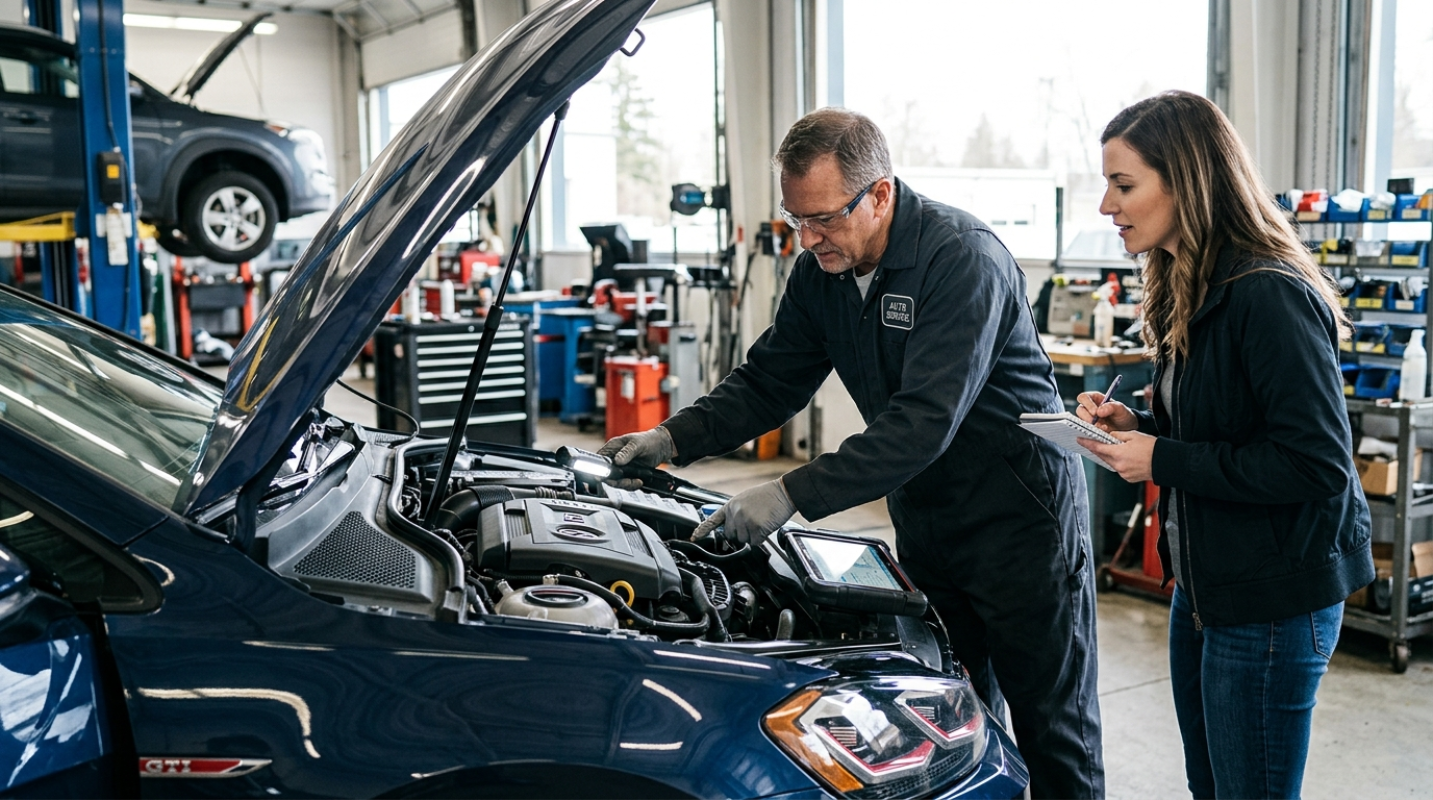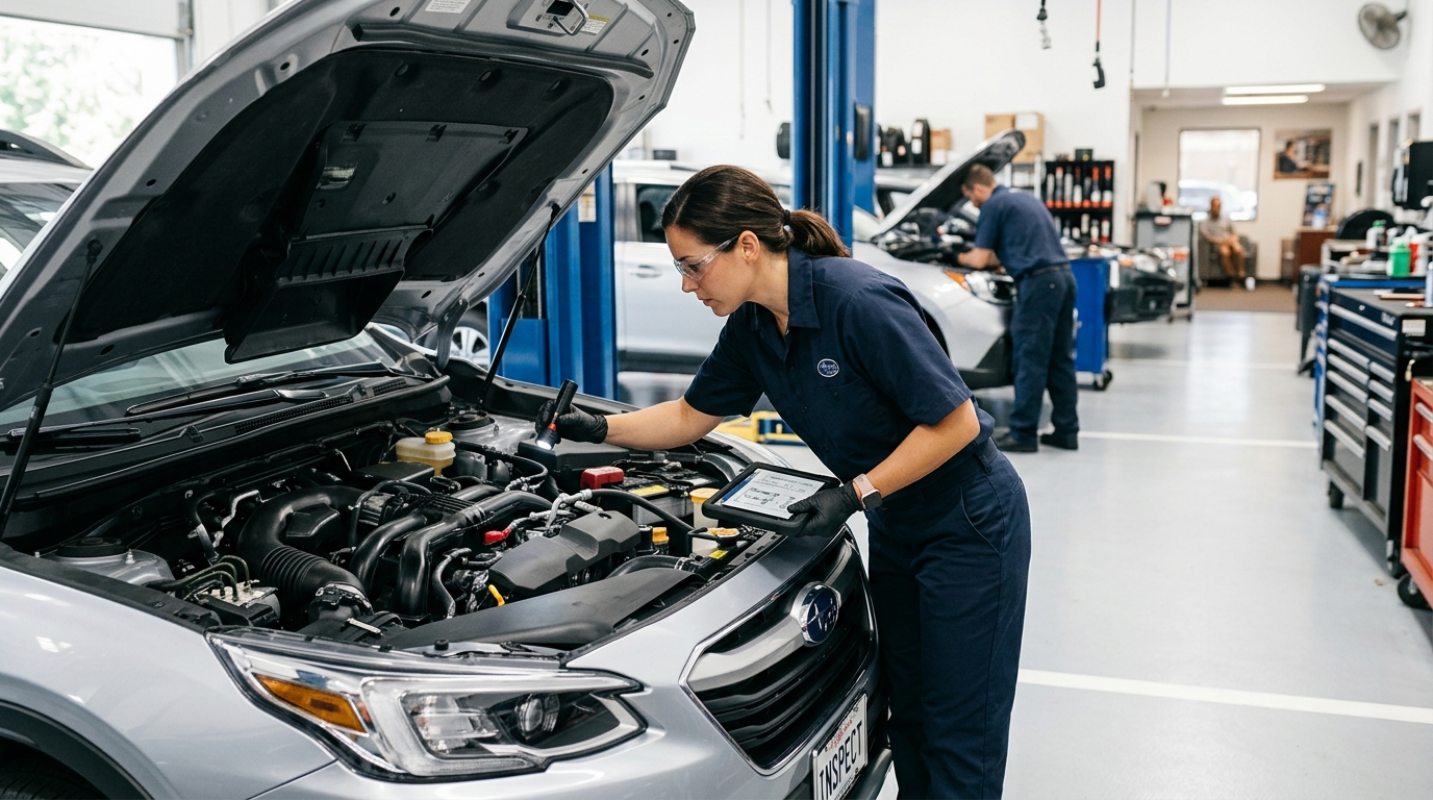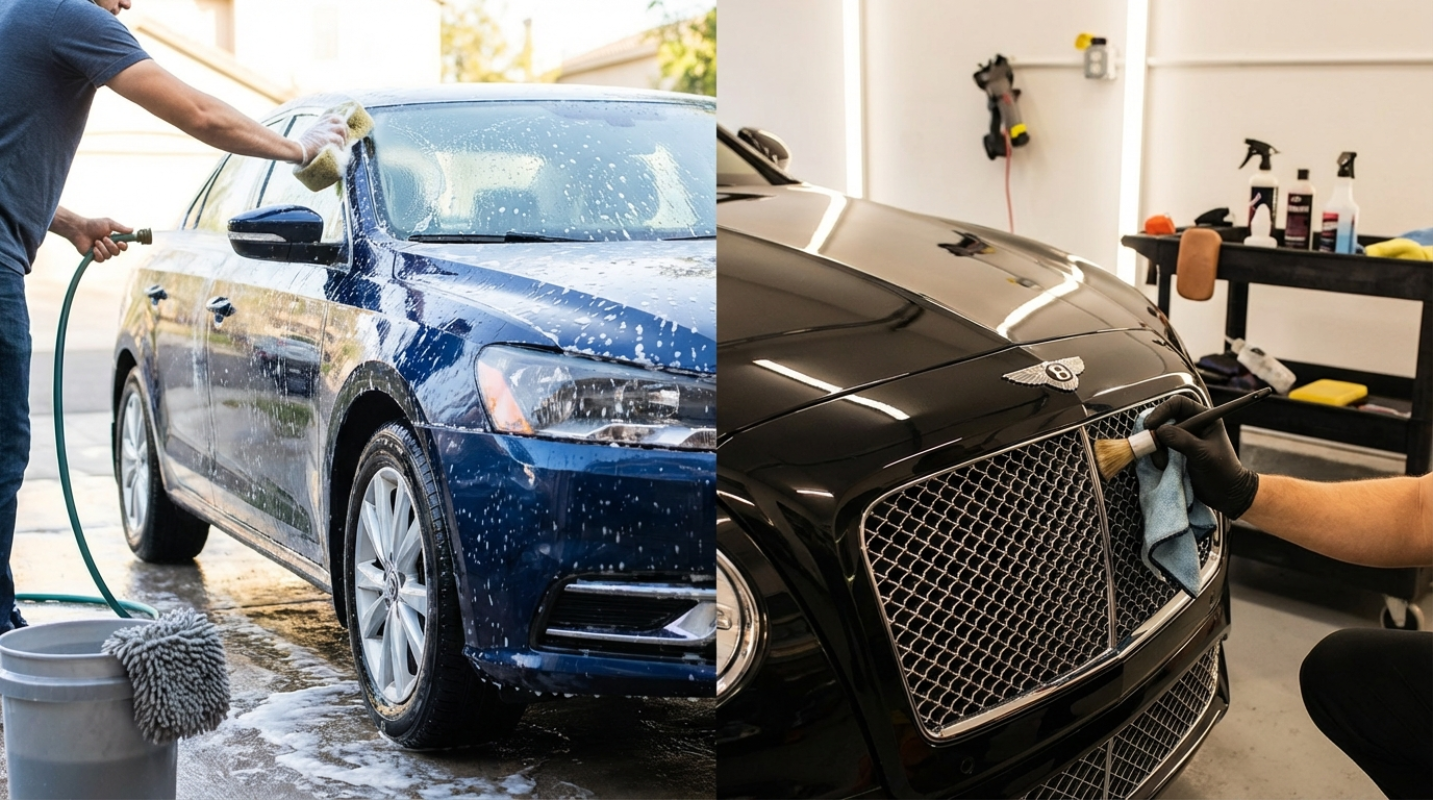
Nobody likes spending money on their car, especially when it feels like nothing is actually broken. Handing over cash for "preventive maintenance" can feel a little like paying for a problem you don't even have yet. It’s easy to think, "My car is running fine, why do I need an oil change?" or "The brakes seem to be working, why inspect them?" This mindset, however, is one of the most expensive mistakes a car owner can make. Proactive maintenance is not about fixing things; it is about stopping them from breaking in the first place.
Think of it like this: you brush your teeth every day to avoid getting a painful and expensive cavity. The same logic applies to your car. Spending a small amount of money now on simple, routine services can prevent a catastrophic failure down the road, saving you from repair bills that could easily run into the thousands. It is the secret weapon that smart car owners use to keep their vehicles running reliably for years while keeping their bank accounts healthy.
The Mighty Oil Change: Your Engine's Best Friend
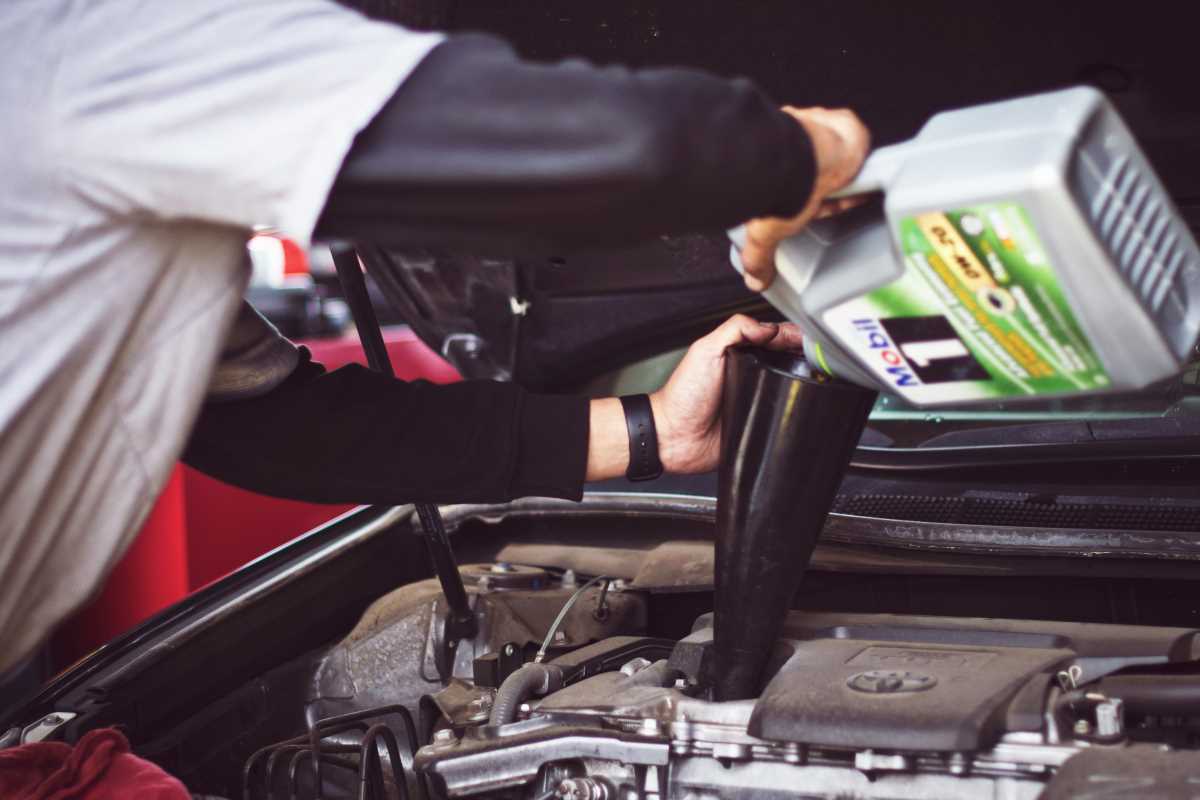
If you only commit to one preventive service, make it the oil change. Engine oil is the absolute lifeblood of your vehicle. It serves several crucial functions: it lubricates all the fast-moving metal parts inside your engine to prevent them from grinding against each other, it helps to cool the engine by carrying heat away, and it cleans the engine by trapping tiny particles of dirt and grime. However, oil doesn't last forever. Over time and thousands of miles, the intense heat and pressure inside the engine break the oil down. It gets thick, dirty, and loses its ability to protect your engine effectively.
- Immediate Cost: A regular oil change typically costs between $50 and $100.
- The Avoided Disaster: Skipping oil changes leads to the formation of engine sludge. Eventually, this sludge blocks oil passages, causing the engine to "seize." A full engine replacement can cost anywhere from $4,000 to $10,000.
- The Cost-Saving Math: By spending $200 a year on two oil changes, you are protecting an asset worth thousands. Over a five-year period, you spend $1,000 to avoid a potential $7,000 catastrophic failure. That is a 700% return on investment in avoided costs.
Tire Rotations: A Simple Spin for Big Savings
Your tires are the only part of your car that actually touches the road, but they do not wear out evenly. The front tires on most cars bear the weight of the engine and handle all the steering, which means they wear down much faster than the rear tires. If you just leave them in the same spot for their entire life, you will end up with two completely bald front tires and two rear tires that still have plenty of tread left. This forces you to replace your tires prematurely or in pairs, which is inefficient.
- Immediate Cost: A tire rotation often costs around $20, though many shops include it for free with an oil change.
- The Avoided Disaster: Uneven wear ruins tires. A new set of four quality tires can easily cost $800 to $1,200.
- The Cost-Saving Math: Regular rotations every 6,000 miles can extend the life of a tire set by as much as 20% to 30%. If a set of tires is meant to last 50,000 miles, rotations could push that to 65,000 miles. By delaying an $800 purchase by an extra year or two, you keep that money in your pocket longer and reduce the "per mile" cost of your rubber.
The Coolant Flush: Avoiding an Engine Meltdown
The fluid that circulates through your engine and radiator is called coolant, or antifreeze. Its job is to absorb heat from the engine and dissipate it through the radiator to prevent overheating. Over time, coolant becomes acidic and loses its anti-corrosive properties. When this happens, it can start to eat away at the inside of your cooling system, causing rust and scale to build up.
- Immediate Cost: A professional coolant flush typically costs around $100 to $150.
- The Avoided Disaster: An overheating engine is a mechanical emergency. It can lead to a warped cylinder head or a blown head gasket. Repairing a head gasket is a labor-intensive job that usually costs between $2,000 and $4,000.
- The Cost-Saving Math: Performing this service every few years is essentially a $150 "insurance policy" against a $3,000 repair. The cost of the preventive service is less than 5% of the cost of the major repair it prevents.
Brake Inspection and Fluid Exchange: Stopping Problems Early
Your brakes are your most important safety feature, but they are designed to wear out. Brake pads use friction to stop the car, and that friction eventually wears the material away. If you let them wear down too far, the metal backing plate will grind against the metal rotor, causing permanent damage to the braking system.
- Immediate Cost: A brake inspection is often free during other services, and a fluid exchange costs about $100.
- The Avoided Disaster: If you catch worn pads early, you might only pay $150 to $250 for a simple pad replacement. If you wait until you hear "grinding," you will likely need to replace the rotors and possibly the calipers as well, which can skyrocket the bill to $600 or $1,000 per axle.
- The Cost-Saving Math: By spending $0 on an inspection and $200 on timely pad replacements, you save yourself the $400 to $800 extra that it costs to replace damaged rotors. Furthermore, fresh brake fluid prevents internal corrosion in the ABS (Anti-lock Braking System) module—a part that can cost over $1,500 to replace if it fails due to moisture contamination.
The Cumulative Effect of Proactive Care
When you look at these numbers, the "supermarket" approach to car care makes financial sense. Over a decade of ownership, a proactive driver might spend $3,000 on various preventive services. A reactive driver—someone who waits for things to break—will almost certainly face at least one major engine or transmission failure, several sets of prematurely worn tires, and expensive brake system overhauls, totaling upwards of $10,000 to $15,000.
Proactive maintenance isn't just about car health; it’s about wealth management. By controlling when and how you spend money on your car, you ensure that your vehicle remains a reliable tool for your life rather than a source of constant financial stress.
Articles on affordableautomotiveservice.com are for informational purposes only and do not provide professional or legal advice. Consult an expert before making decisions. We are not responsible for actions taken based on this content.