If you live in a state that requires it, getting that notice in the mail for your car's emission test can feel like getting a summons for jury duty. It seems like a boring, inconvenient chore that you have to squeeze into your already busy schedule. For many drivers, the whole process is a mystery. You hand your keys over, they do something to your car for a few minutes, and then you either get a passing grade or a dreaded failure sticker. It is easy to view this test as just another government regulation designed to be a hassle. However, an emission test is more than just a bureaucratic hoop to jump through. It is a quick check-up that plays a huge role in keeping the air we all breathe cleaner. It is also a surprisingly useful diagnostic tool that can alert you to hidden problems under the hood, potentially saving you from bigger repair bills and improving your gas mileage.
What Are They Even Testing?
So, what exactly happens during an emission test? The main goal is to measure the amount of harmful pollutants coming out of your car's exhaust pipe. A gasoline engine is essentially a controlled explosion machine. It burns a mixture of fuel and air to create power, and just like a campfire, the process isn't perfectly clean. The leftover byproducts are a cocktail of nasty gases, including carbon monoxide, hydrocarbons, and nitrogen oxides. These are the main ingredients in creating smog and air pollution.
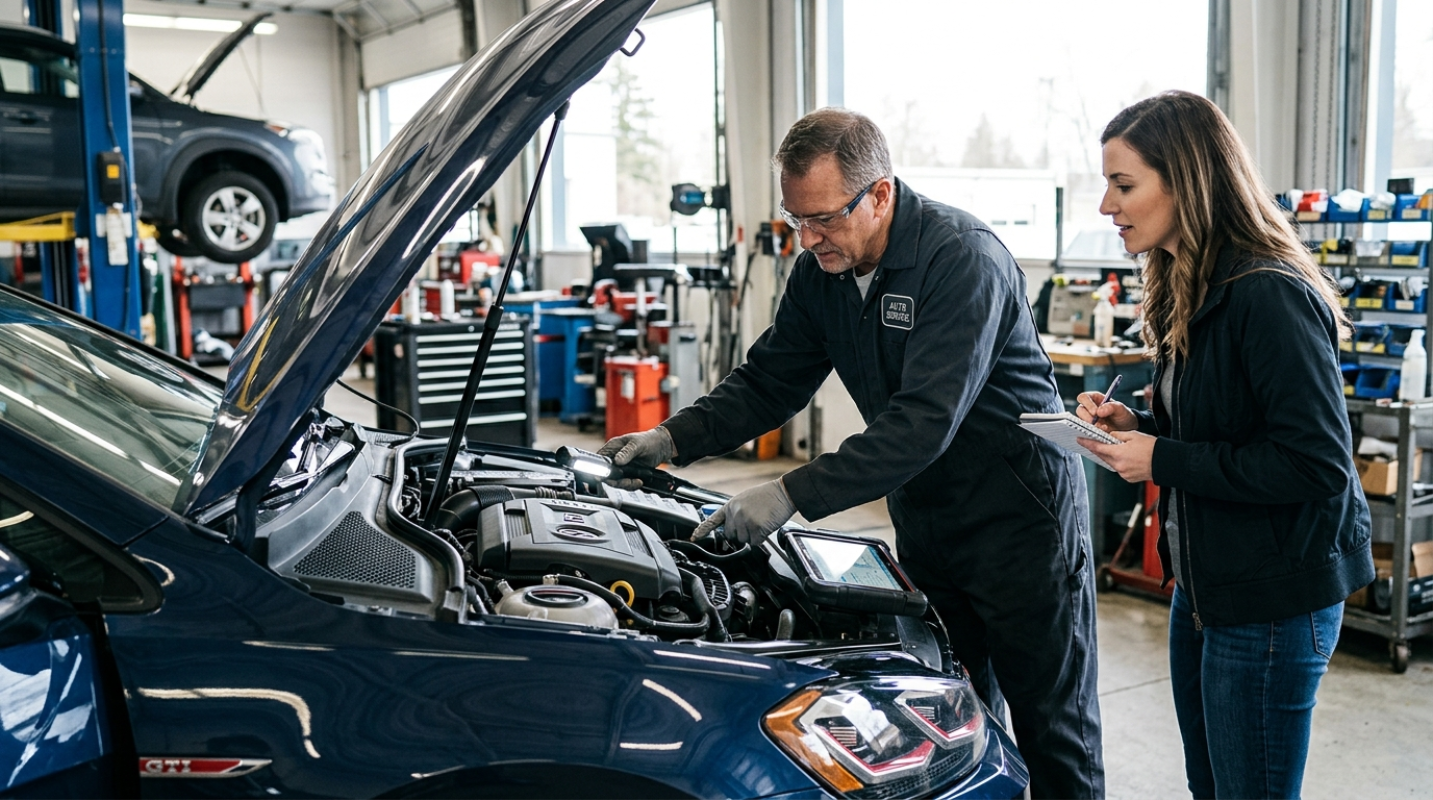
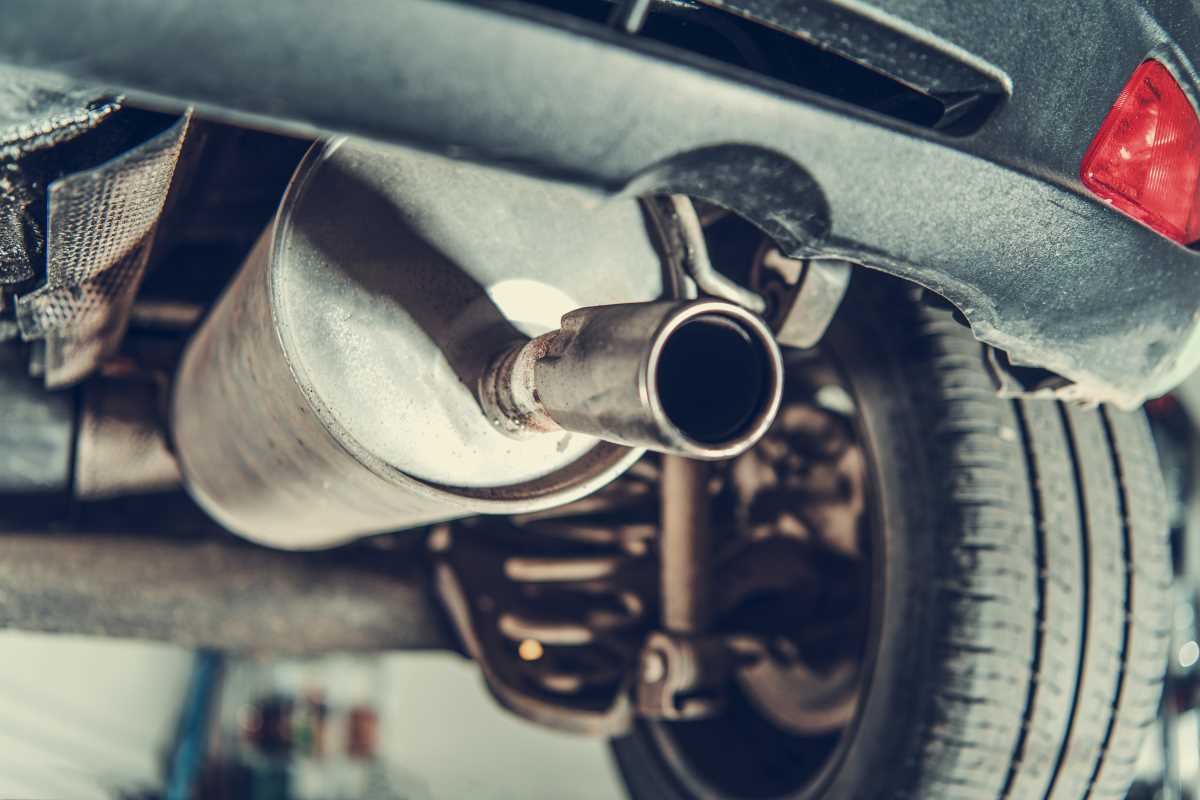
An emission testing station is equipped with a special gas analyzer. The technician will place a probe into your car's tailpipe while the engine is running. This probe "sniffs" the exhaust and measures the concentration of those pollutants. The results are compared against the standards set for your vehicle's specific year, make, and model. If the levels are below the legal limit, you pass. If they are too high, you fail. It is that simple. The test ensures your car is doing its job to minimize its impact on air quality.
The Computer Check-Up
In addition to sniffing the exhaust, most modern emission tests also involve a digital conversation with your car's brain. Since 1996, all cars have been equipped with an On-Board Diagnostics system, or OBD-II. This is the same system that triggers your "Check Engine" light when something goes wrong. The OBD-II computer constantly monitors all the components of your car's emission control system, from oxygen sensors to the catalytic converter.
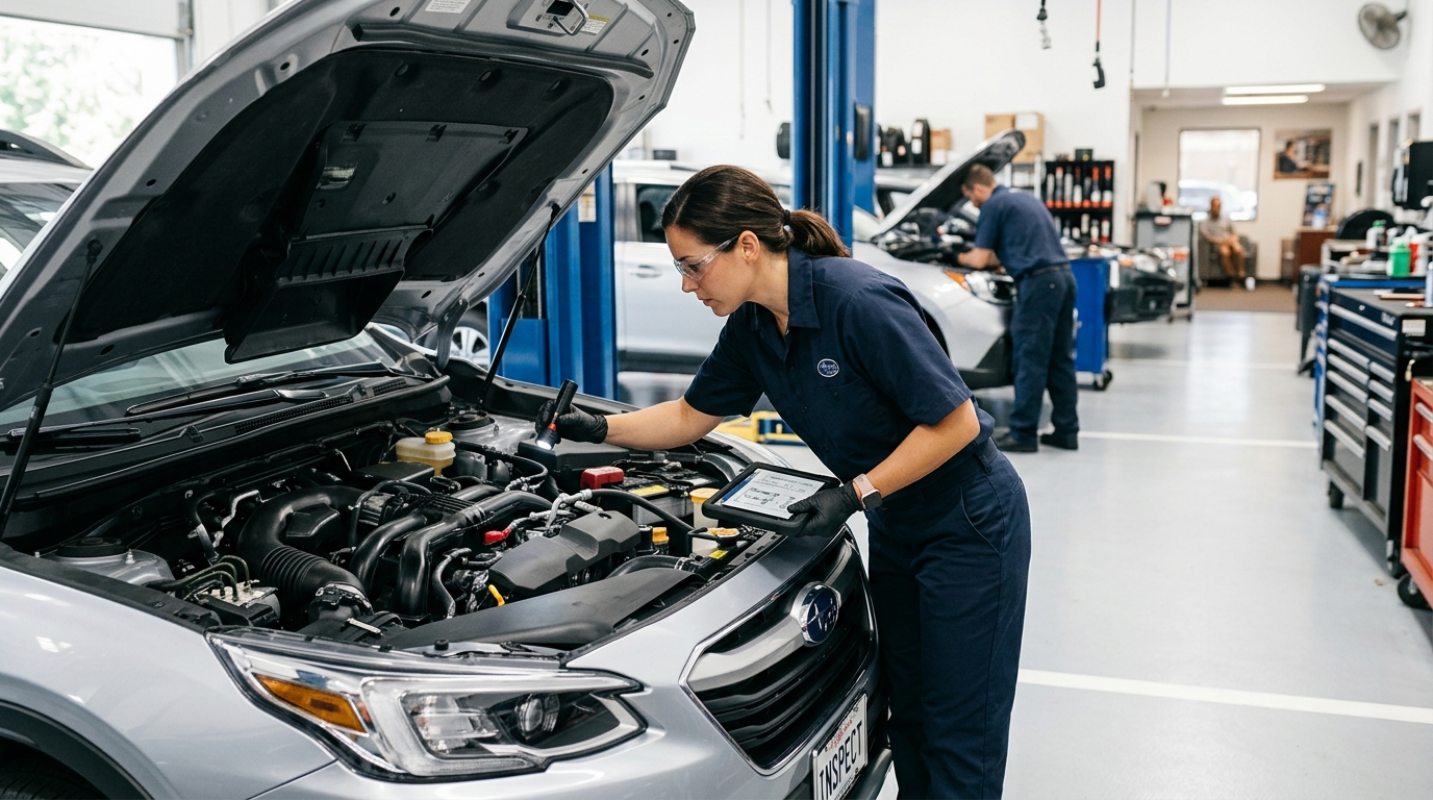
During the test, the technician plugs a scanner into the OBD-II port, which is usually located under your dashboard near your knees. This scanner downloads a status report from your car's computer. It checks to see if any of the emission-related components have failed or are not working correctly. If your Check Engine light is on, you will almost certainly fail this part of the test automatically. The computer check is a fast and effective way to ensure that all the high-tech parts designed to keep your car running clean are actually doing their job.
Why Failing Is Actually a Good Thing
No one likes to fail a test, but failing an emission test can be a blessing in disguise. The pollutants that the test measures are essentially unburned fuel and inefficiently managed exhaust. If your car is spewing out too many hydrocarbons, it is a clear sign that your engine isn't burning fuel as efficiently as it should be. This means you are literally wasting gas every time you drive. The problem causing you to fail the test is also very likely the reason your gas mileage has been getting worse.
A failure report acts as a specific road map for your mechanic. It points them directly toward the system that is malfunctioning. Maybe an old oxygen sensor is sending bad data to the computer, or a failing catalytic converter isn't cleaning the exhaust properly. By fixing the issue to pass the test, you are not just helping the environment; you are also restoring your car's performance and fuel economy. Think of it as a mandatory tune-up that forces you to fix a problem that was quietly costing you money at the pump.
Preparing for Your Test
You can't exactly study for an emission test, but there are a few simple things you can do to increase your chances of passing. First and foremost, if your Check Engine light is on, get it diagnosed and fixed before you go. An active Check Engine light is an automatic failure in most places. It is also a good idea to make sure your car is properly warmed up before the test. Drive it for at least 15 to 20 minutes on the highway. This gets the engine and the catalytic converter up to their optimal operating temperature, which is when they are most effective at controlling emissions. Finally, simple maintenance like making sure your car has fresh oil and a clean air filter can also contribute to a cleaner running engine.
Articles on affordableautomotiveservices.com are for informational purposes only and do not provide professional or legal advice. Consult an expert before making decisions. We are not responsible for actions taken based on this content.