It is a feeling every driver dreads. You are cruising down the road, music playing, when suddenly you hear a strange noise, see a puff of smoke, or feel the car lose power. In that moment, your stomach drops as you realize your car is no longer a trusty vehicle but a very heavy, very expensive lawn ornament. Breakdowns can happen to anyone, whether you are driving a brand-new car or a hand-me-down from your older sibling. Being stranded is stressful enough, but navigating the world of emergency towing can add a whole new layer of confusion and anxiety. Knowing what to do, who to call, and what to expect can make the difference between a minor inconvenience and a major financial headache. These tips will help you handle a towing situation like a seasoned pro, even if it is your first time.
Safety First, Always
Before you even think about calling for a tow, your number one priority is your personal safety. The side of a road, especially a busy highway, is an incredibly dangerous place. As soon as you realize you have a problem, turn on your hazard lights immediately. This is the universal signal for "I am in trouble." Do your best to coast your car as far off the road as possible, ideally onto the shoulder. The further you are from moving traffic, the safer you will be.
Once you have stopped, the safest place for you and your passengers is inside the car with your seatbelts on. It might feel counterintuitive, but standing outside makes you a vulnerable target for distracted drivers. If you must get out of the vehicle for any reason, exit from the passenger side, away from traffic. If you have a safety vest or reflective triangles in your emergency kit, now is the time to use them. Your car can be replaced, but you cannot. Do not try to be a hero and fix the problem yourself on a busy road. Let the professionals handle it.
Who Are You Going to Call?
Once you are safely off the road, your next challenge is figuring out who to call. You have several options, and the best choice depends on your situation. If you have a roadside assistance plan through a provider like AAA, your car insurance, or your vehicle's manufacturer, that should be your first call. These services have a network of pre-vetted towing companies and often cover the cost of the tow, at least for a certain number of miles. All you need to do is call the number on your membership card or use their app, and they will dispatch a truck to your location.
If you do not have roadside assistance, you will have to find a local towing company yourself. A quick search on your smartphone for "towing near me" will give you a list of options. However, be cautious. Before you agree to anything, ask the dispatcher for the company's name, their estimated time of arrival, and a quote for the total cost. Unscrupulous companies, often called "bandit chasers," sometimes monitor police scanners and show up to accident scenes uninvited, ready to pressure you into an expensive tow. You have the right to refuse service from anyone you did not call yourself.
Know Where You're Going
When you call for a tow, the dispatcher will ask you where you want your car taken. You need to have an answer ready. The default option is usually to tow it to the company's storage yard, but this is almost always a bad idea. Storage yards charge daily fees that can add up quickly, essentially holding your car for ransom until you pay. The best option is to have your car towed directly to a trusted auto repair shop. If you have a regular mechanic, have their address handy.
If you break down far from home and do not know any local shops, you can ask the tow truck driver for a recommendation, but be aware they might get a kickback for referrals. A safer bet is to do a quick search for well-reviewed shops in the area. If the breakdown is related to a new car warranty issue, you should have it towed to the nearest dealership for that brand. Having a destination in mind prevents you from getting stuck paying expensive storage fees while you figure out your next move.
Document Everything and Ask Questions
When the tow truck finally arrives, do not just hand over your keys and walk away. Take a moment to interact with the driver and document the situation. Before they hook up your car, confirm the cost you were quoted on the phone. Ask the driver for an itemized receipt that shows the company's name and address. Take pictures of your car from all angles with your smartphone. This creates a record of its condition before it was loaded onto the truck. This can be invaluable proof if your car sustains any damage during the towing process, like scratches on the bumper or dents on the undercarriage.
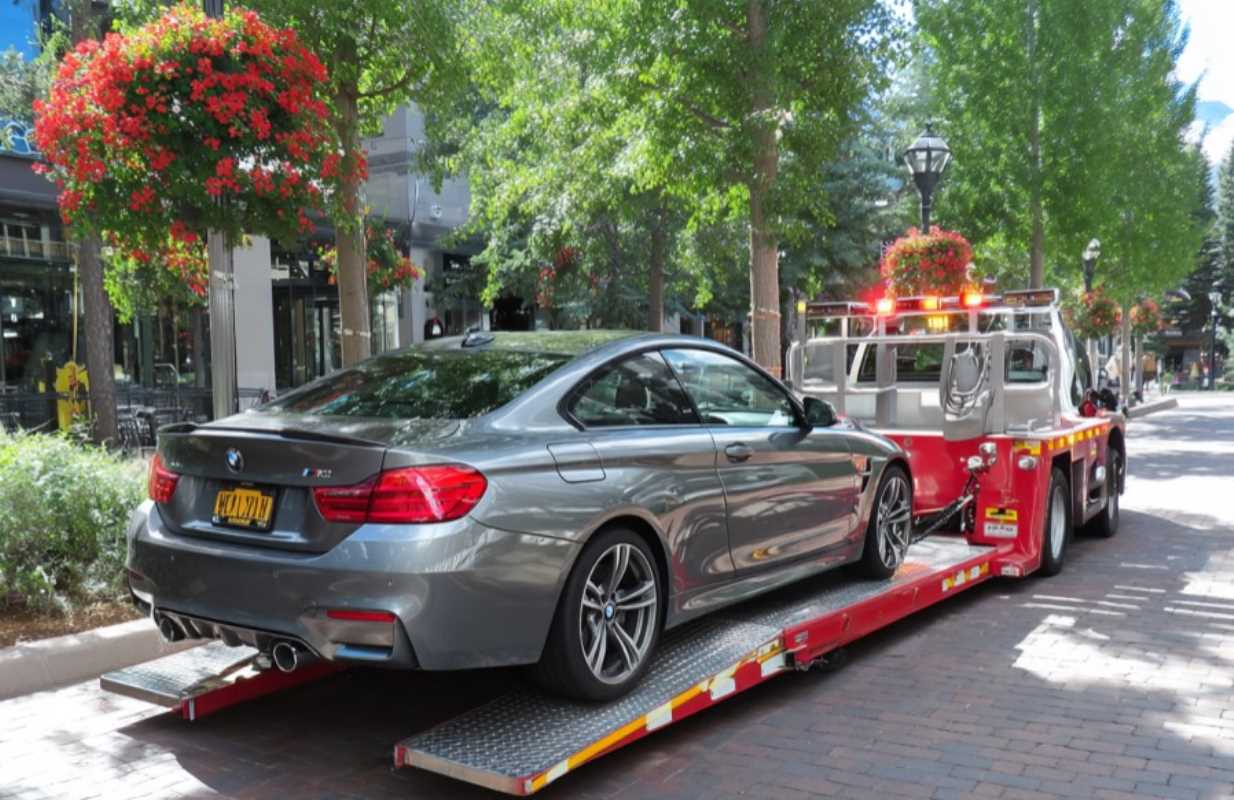
Pay attention to how the driver hooks up your vehicle. Different cars require different towing methods. For example, an all-wheel-drive vehicle should almost always be towed on a flatbed truck to avoid damaging the transmission. A professional driver will know this, but it never hurts to be informed. A little bit of friendly curiosity shows the driver you are paying attention and can help ensure your car is treated with care.
Articles on affordableautomotiveservices.com are for informational purposes only and do not provide professional or legal advice. Consult an expert before making decisions. We are not responsible for actions taken based on this content.