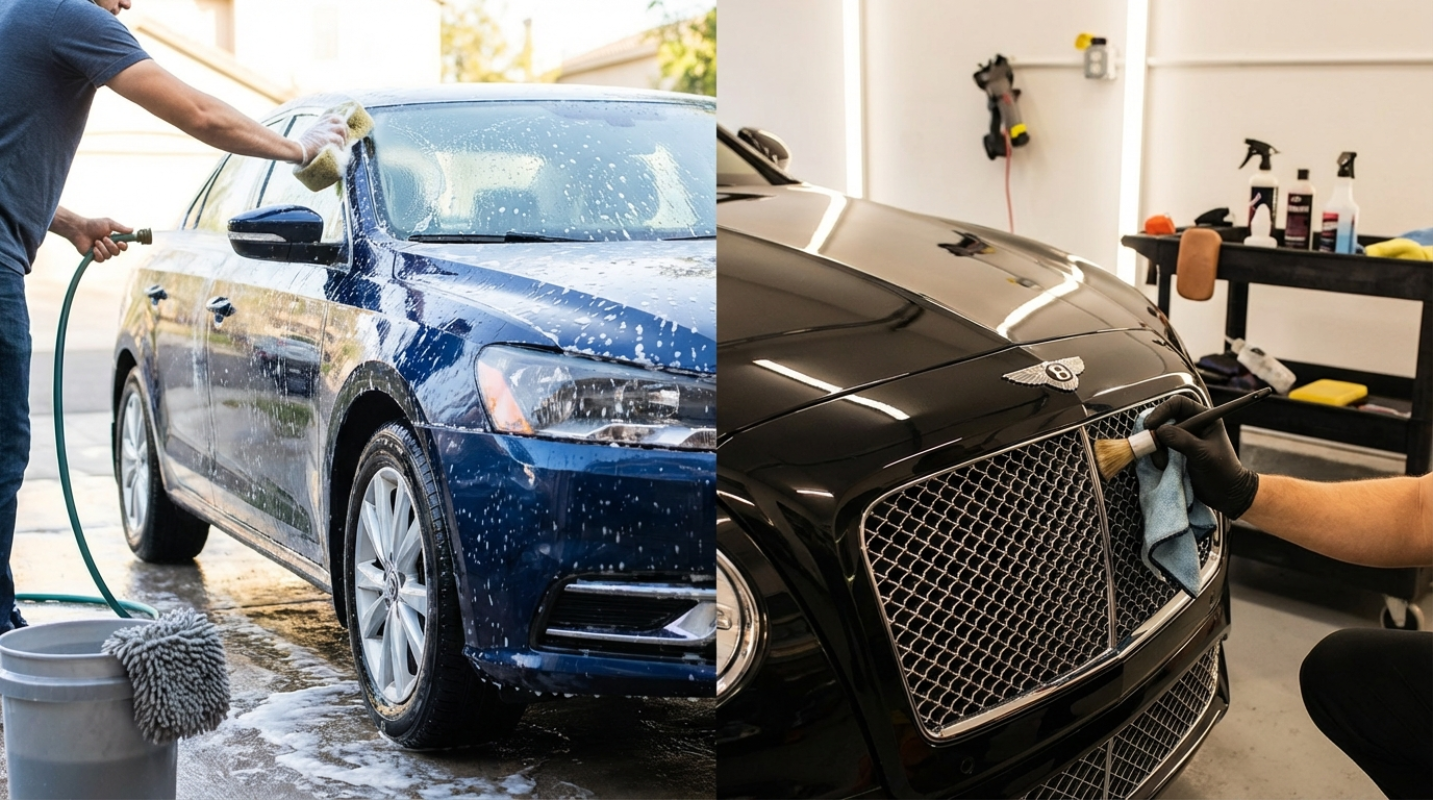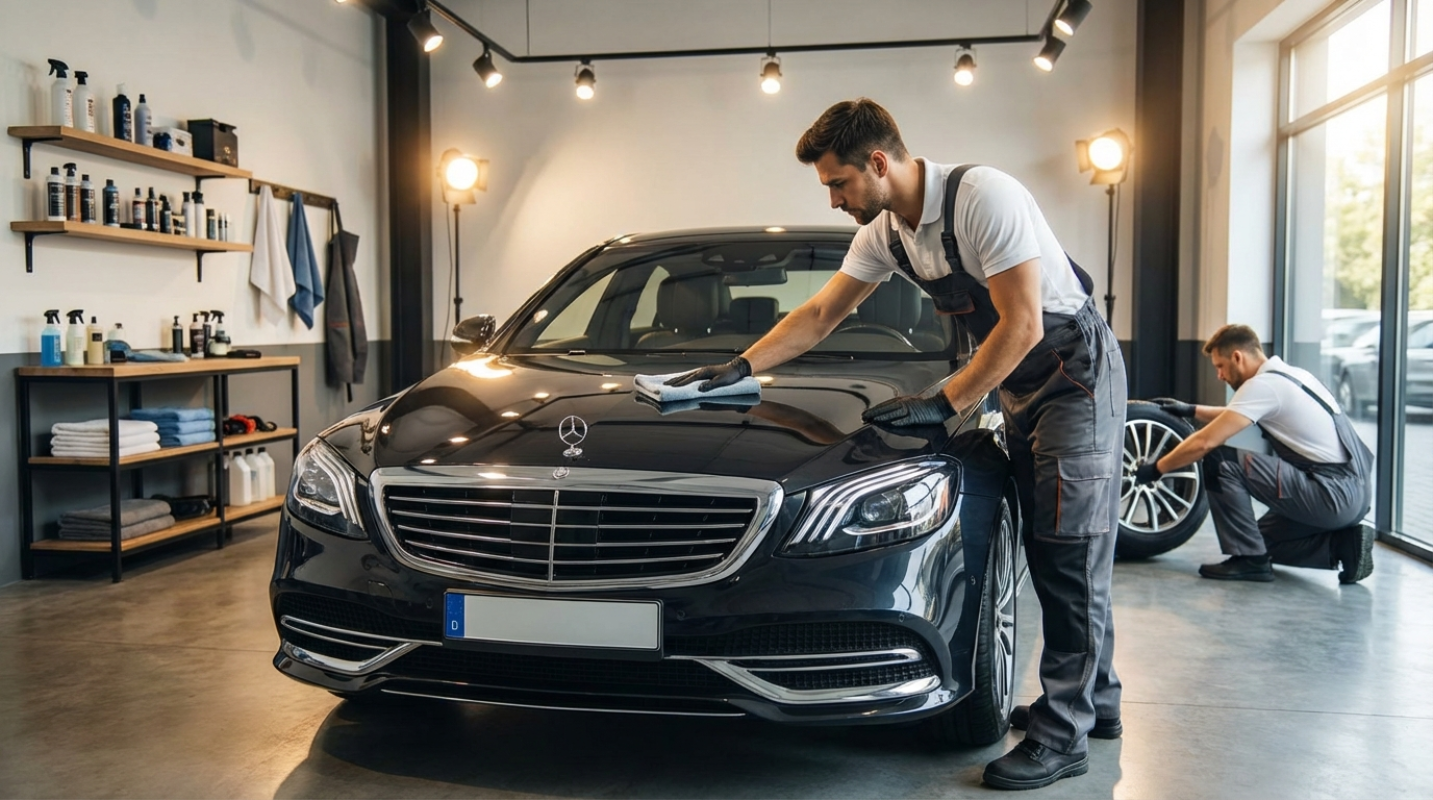
Selecting from a professional detailing menu often mirrors the experience of navigating high-end restaurant add-ons. While a standard wash and vacuum serve as the "base meal," specialized services—often referred to as "upsells"—provide the technical depth required for long-term preservation. The average cost for full-service detailing packages ranges from $250 to $600, but strategic investments in specific add-ons can fundamentally alter a vehicle's depreciation curve and operational comfort. Identifying which services offer genuine utility versus aesthetic excess is the key to maximizing your maintenance budget.
Ceramic Coating: High-Tech Paint Armor
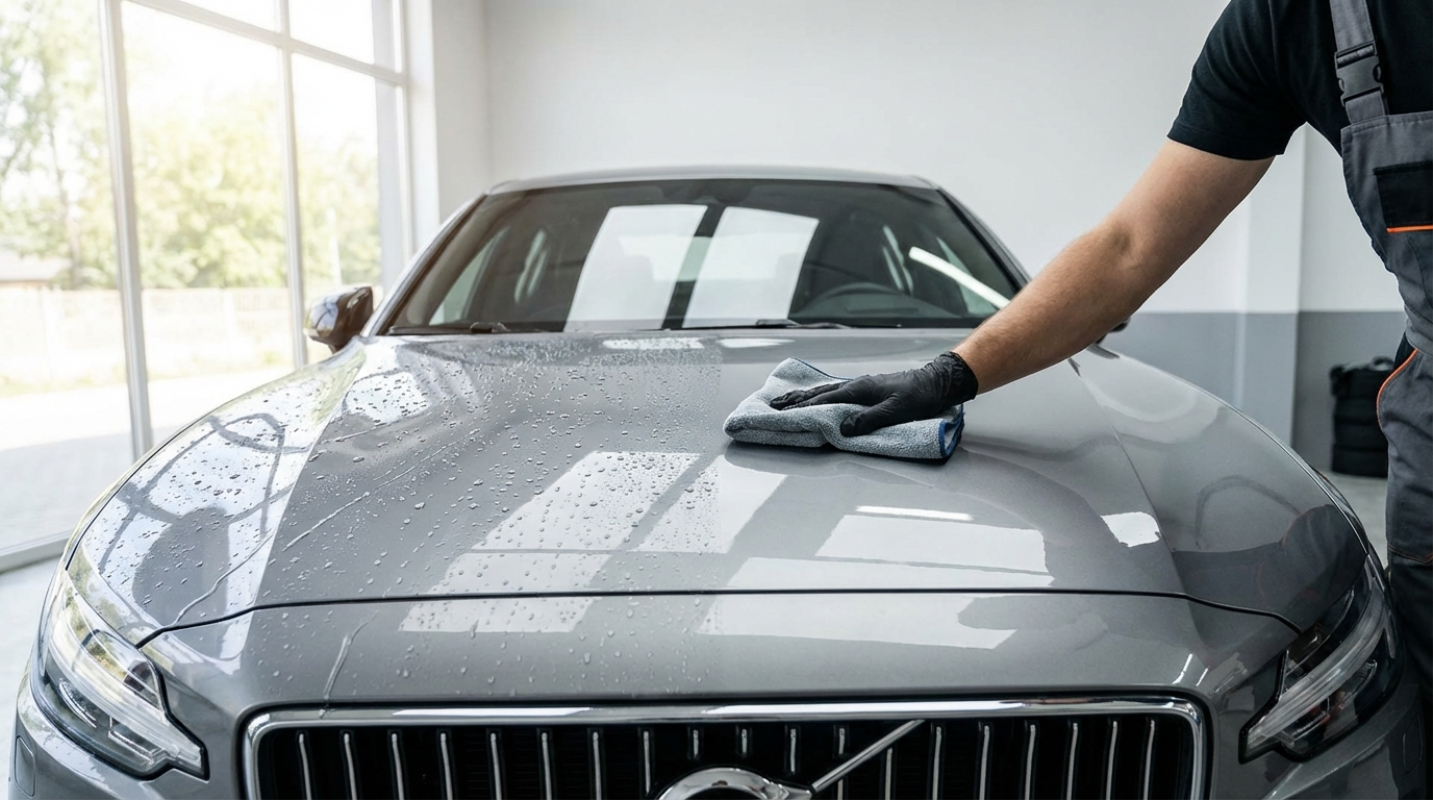
Ceramic coating has evolved from a luxury niche into a standard recommendation for owners of new or well-maintained vehicles. Unlike traditional wax, which functions as a temporary sacrificial layer, a ceramic coating is a liquid polymer that chemically bonds with the factory clear coat.
- Durability and Lifecycle: While a standard wax application fails after 90 days, professional-grade ceramic coatings are rated to last between 2 and 8 years.
- Fiscal Investment: For a standard sedan, professional application costs typically range from $800 to $1,500. This often includes a necessary stage of minor paint correction to ensure the bond is permanent.
- Hydrophobic Efficiency: The coating creates a high-tension surface that repels water and environmental contaminants (acid rain, bird droppings, and road salt). This makes subsequent washes 50% faster and reduces the frequency of cleaning.
- UV Mitigation: The coating acts as a permanent block against ultraviolet radiation, which prevents the oxidation and "chalking" commonly seen on vehicles parked in high-sun environments like California or Florida.
Engine Bay Detailing: Technical Maintenance
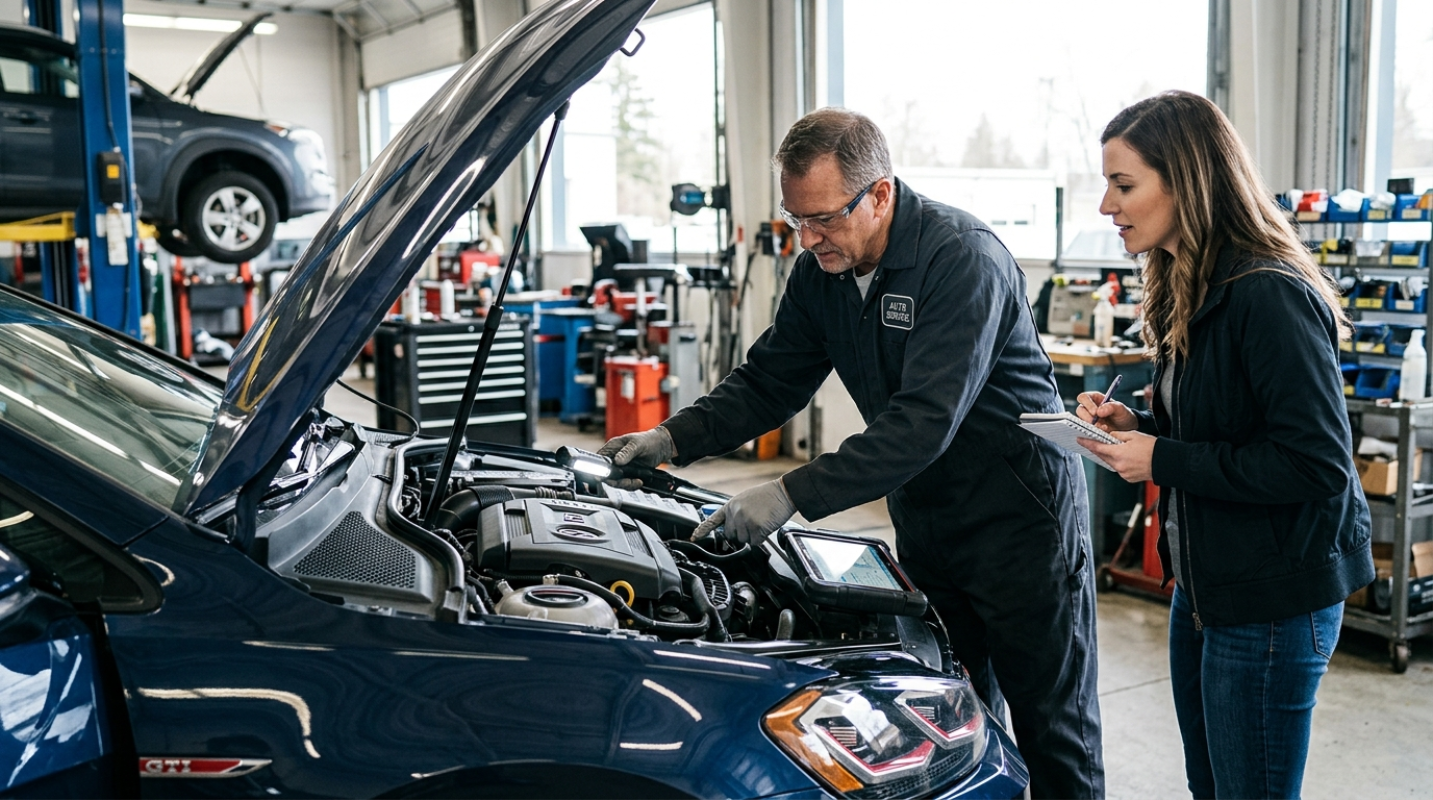
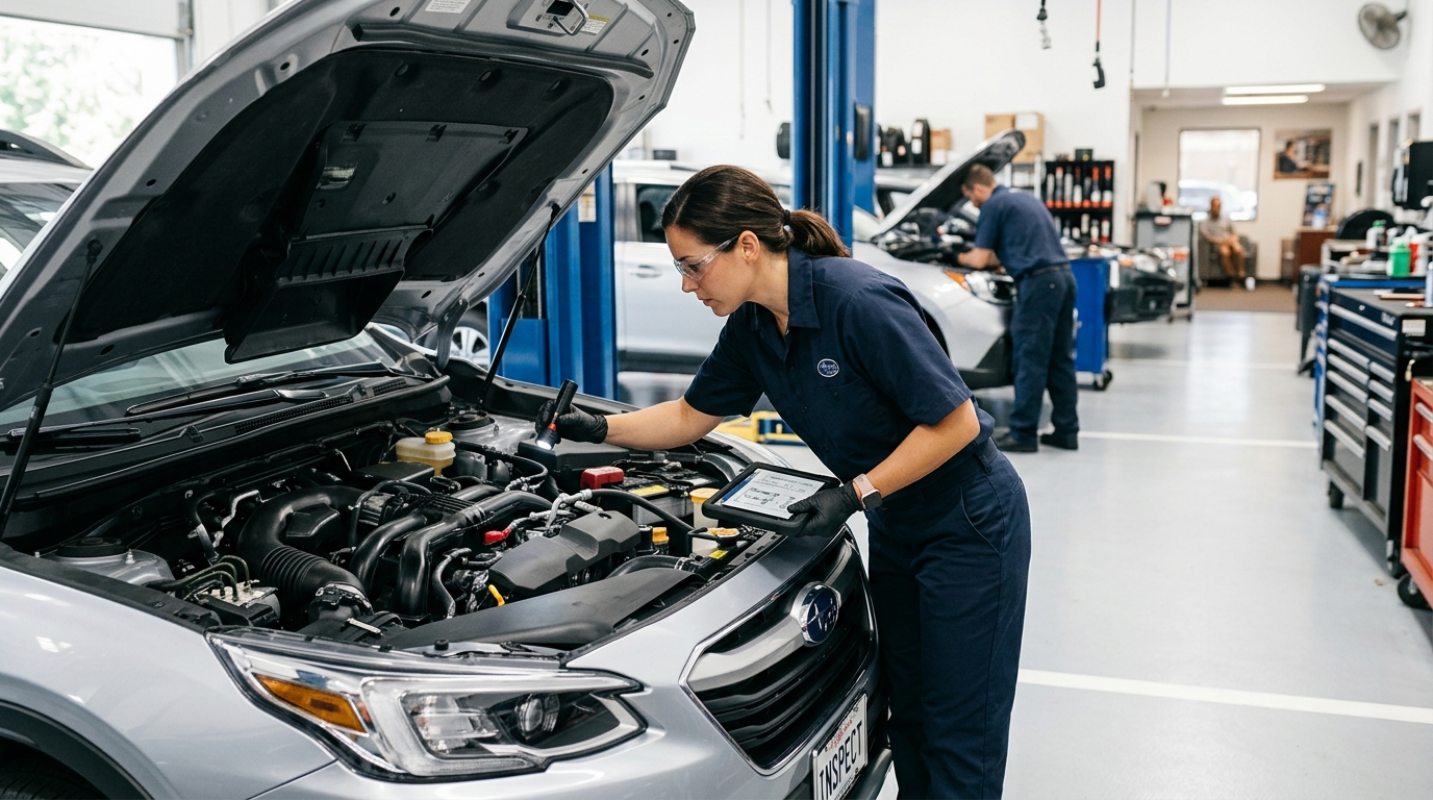
Cleaning the engine bay is frequently dismissed as a purely cosmetic endeavor, yet it serves a critical role in preventative maintenance and vehicle longevity.
- Operational Heat Management: Caked-on grease and road grime act as an insulator, trapping heat around sensitive sensors and plastic components. A clean engine bay allows for more efficient heat dissipation.
- Early Leak Detection: In a spotless engine compartment, a fresh drop of oil or a seep of bright-colored coolant is immediately visible. Detecting a failing gasket or a weeping hose before it leads to a "check engine" light can save thousands in emergency repairs.
- Material Preservation: Professional detailers use specialized degreasers and dressings that prevent the rubber hoses and plastic wire looms from becoming brittle and cracking—a common cause of vacuum leaks in older cars.
- Cost Factor: As an add-on, engine bay cleaning is relatively affordable, typically costing between $50 and $150, often taking less than an hour to complete.
Ozone Treatment: Molecular Odor Destruction
When interior scents move beyond what a vacuum can handle—such as tobacco smoke, mold spores, or organic spills—surface cleaning is insufficient. Ozone (O3) treatment is a chemical process that fundamentally resets the cabin's atmosphere.
- The Oxidation Process: An ozone generator fills the sealed vehicle with O3 gas, which seeks out and oxidizes odor-causing molecules. It penetrates the porous surfaces of headliners, seat foam, and deep carpet fibers where bacteria thrive.
- A/C System Sanitization: Odors often hide inside the evaporator core of the air conditioning system. Ozone is pulled through the vents, neutralizing mold and mildew that cause the "musty sock" smell during summer months.
- Safety Protocols: Because ozone is a powerful oxidant, the vehicle must be completely aired out before it is safe for occupants. Professional ozone treatments typically cost between $75 and $150.
- Success Rate: It is the only reliable method for removing deep-set smoke odors from a used vehicle purchase, effectively "de-stigmatizing" the car's interior history.
Paint Correction: Surface Leveling and Restoration
If a vehicle’s finish appears dull or "hazy," it is usually due to millions of microscopic scratches, known as swirl marks, reflecting light in different directions. Paint correction is the mechanical process of restoring a mirror-like finish.
- The Leveling Process: Technicians use varying grades of abrasive compounds and machine polishers to shave off a microscopic layer of the clear coat—usually less than the thickness of a post-it note—to level the surface.
- Categorization by "Stages":
- 1-Stage ($300–$600): Removes light swirls and enhances gloss; ideal for newer cars.
- 2-Stage ($600–$1,000): Involves a "cutting" phase for deeper scratches and a "polishing" phase for clarity.
- 3-Stage ($1,200+): Reserved for neglected or luxury vehicles requiring heavy defect removal and wet sanding.
- Resale Value Impact: High-quality paint correction can increase the private party resale value of a vehicle by 10% to 15%, as the car appears years younger than its actual mileage suggests.
- Preparation for Protection: Paint correction is almost always required before applying a ceramic coating, as the coating will "lock in" and magnify any existing scratches if they aren't removed first.
Strategic Selection for Maximum ROI
To maximize the return on your detailing investment, consider the vehicle's age and your long-term plans.
- For New Cars: Prioritize Ceramic Coating. Protecting the factory paint immediately is the most cost-effective way to maintain a "showroom" look for a decade.
- For Used Car Purchases: Prioritize Ozone Treatment and Engine Bay Cleaning. These services remove the physical and olfactory evidence of the previous owner, giving you a fresh start.
- For Resale Preparation: Prioritize 1-Stage Paint Correction. The "curb appeal" of a glossy, swirl-free car significantly reduces a buyer’s inclination to negotiate the price downward.
Disclaimer: This information is for educational purposes. Detailing prices vary significantly by region, vehicle size, and initial condition. Always ensure your detailer is insured and certified, especially when requesting high-intensity services like paint correction or ozone treatments.