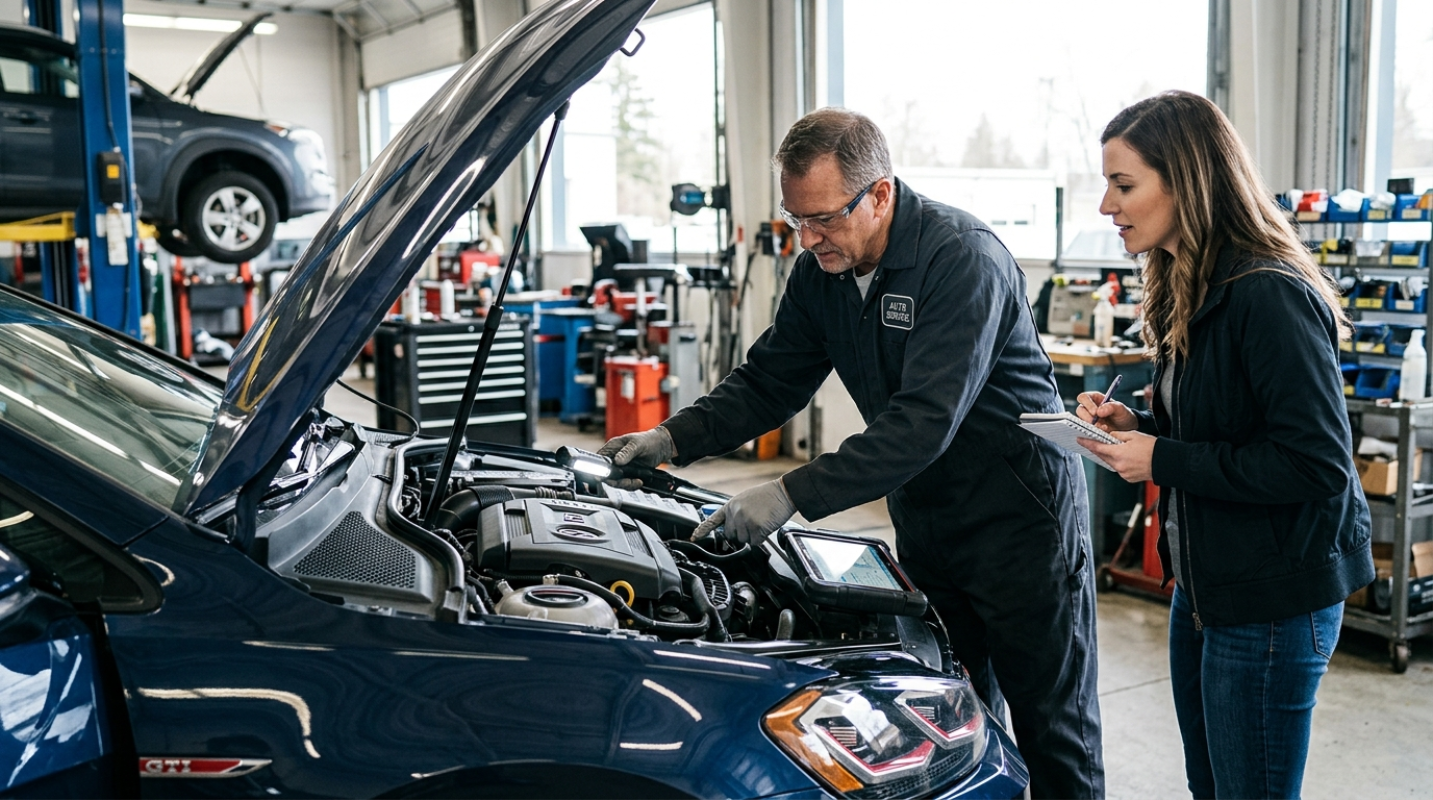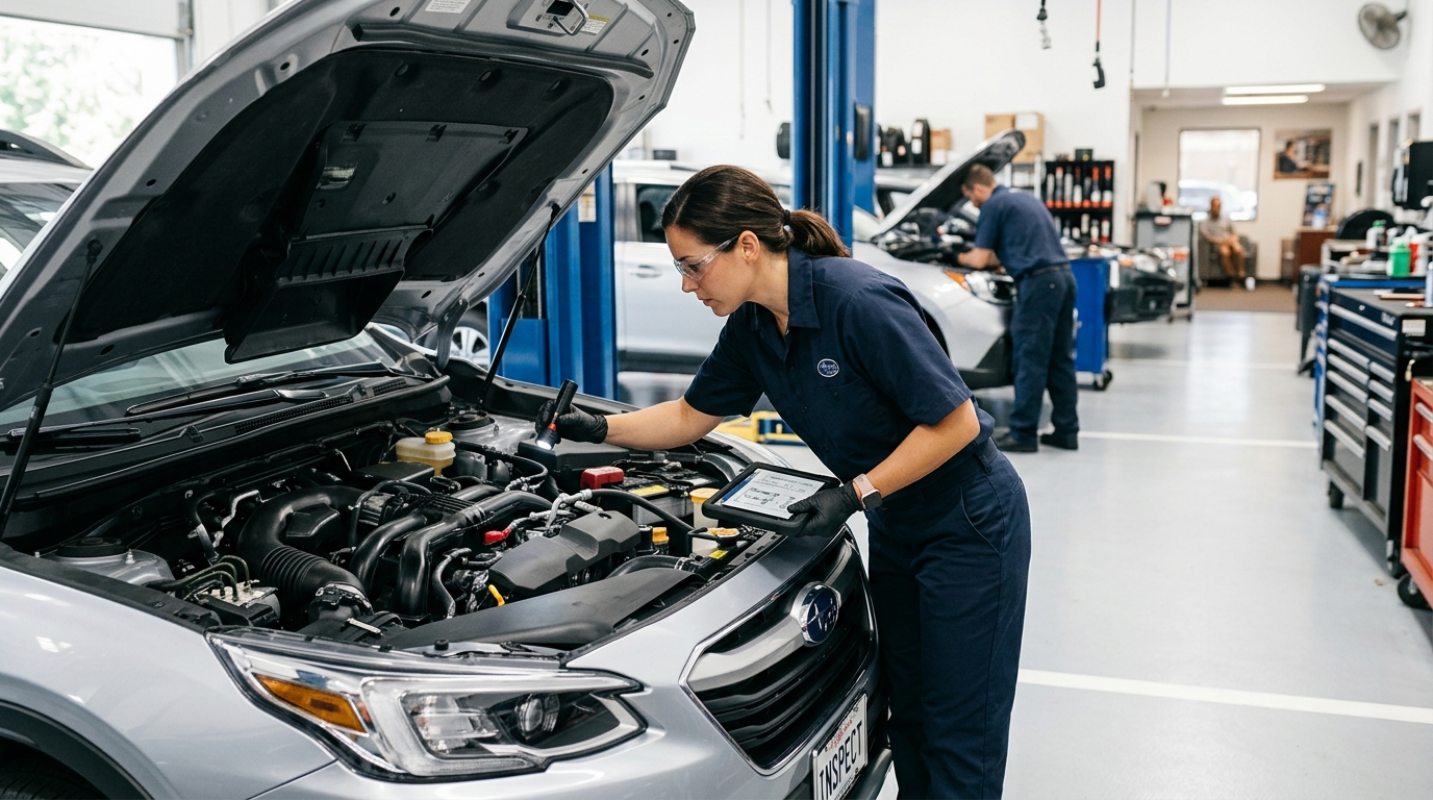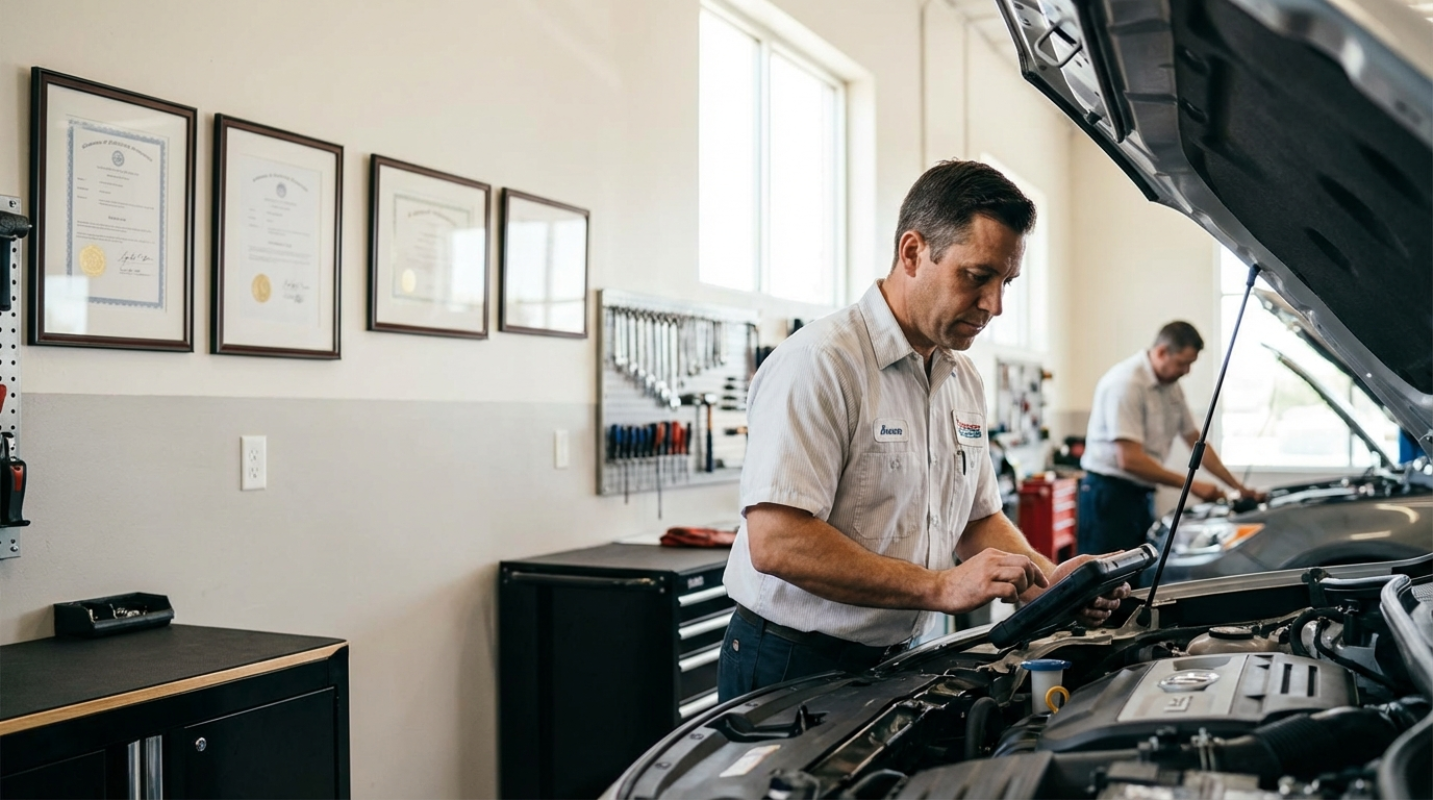
When a vehicle begins to exhibit mechanical irregularities or an illuminated warning light, the owner faces a significant logistical choice. The decision between a manufacturer-authorized dealership and a local, independent repair facility involves more than just a preference for a waiting room environment; it is a choice that directly impacts long-term maintenance costs. Both business models offer specific advantages, but understanding the financial disparity between a polished showroom and a neighborhood garage is essential for managing an automotive budget effectively.
Economic Factors Influencing Dealership Pricing
The dealership service center is characterized by high operational transparency and a premium brand environment. However, these facilities carry substantial overhead costs that are reflected in the final service invoice.
- Specialized Labor Rates: Dealerships employ factory-trained technicians who undergo brand-specific certification programs. Because of this specialized expertise and the cost of the facility, labor rates are typically $20 to $40 higher per hour than those at nearby independent shops. In high-cost regions, dealer labor rates often exceed $200 per hour.
- Original Equipment Manufacturer (OEM) Parts: Dealerships exclusively utilize parts produced by the vehicle manufacturer. While this guarantees a perfect fit, OEM parts generally cost 60% more than the alternative parts found in the broader market.
- Comprehensive Facility Amenities: Premium waiting areas with Wi-Fi, high-end coffee, and loaner vehicle fleets are significant expenses. These amenities are factored into the shop’s "burden rate," which is passed on to the consumer in the form of higher service fees.
Financial Benefits of Independent Repair Facilities
Independent shops are typically smaller, locally-owned businesses with lower overhead requirements. Their lack of a massive showroom allows them to offer more competitive pricing on both labor and materials.
- Market-Based Labor Rates: As of 2026, the national average labor rate for independent shops sits at approximately $140 per hour, though this varies by region. In the Midwest, rates may range from $110 to $135, whereas West Coast independents may charge closer to $150 to $190.
- Aftermarket Parts Flexibility: Independent mechanics can source aftermarket parts made by third-party manufacturers. These parts are often identical in function to OEM parts but are significantly less expensive. This flexibility allows the owner to choose between economy-grade and premium-grade parts based on their specific budget.
- Personalized Recommendations: A local mechanic is often more willing to repair a component rather than replace a whole assembly, which can save hundreds of dollars on complex systems like power steering or air conditioning.
Direct Cost Comparison for Common Services
The price gap between these two options becomes more apparent when looking at routine maintenance and standard repairs. While prices fluctuate based on the vehicle’s make and model, the following estimates provide a clear benchmark for comparison.
| Service Type | Dealership Average | Independent Average | Potential Savings |
| Full Synthetic Oil Change | $100 – $150 | $65 – $125 | $35+ |
| Brake Pad & Rotor (One Axle) | $600 – $900 | $300 – $600 | $300+ |
| 30,000-Mile Major Service | $400 – $900 | $250 – $450 | $150+ |
| Battery Replacement | $250 – $400 | $150 – $250 | $100+ |
| Wiper Blade Installation | $60 – $80 | $30 – $50 | $30+ |
- Maintenance Savings: For a newer vehicle requiring only scheduled maintenance, choosing an independent shop can save an owner roughly $100 to $200 annually.
- Older Vehicle Repairs: For vehicles over ten years old, the annual savings jump significantly. Independent shops often provide annual savings between $250 and $500 because they are more likely to use cost-effective parts on a car with a lower market value.
Strategic Use of Dealership Expertise
Despite the higher costs, there are specific scenarios where the dealership is the superior financial choice.
- Warranty and Recall Work: If a vehicle is under its original factory warranty, covered repairs are performed at no cost to the owner. Additionally, safety recalls are always handled for free by the dealer.
- Proprietary Technology: Modern vehicles are essentially computers on wheels. Dealerships have access to proprietary software updates and specialized diagnostic tools that independent shops may not yet possess. For complex electronic "ghost" problems, the dealer's specialized equipment can actually save money by finding the fault faster.
- Resale Documentation: A vehicle with a complete history of dealership service stamps often commands a higher resale price. Buyers perceive dealer-maintained cars as having been cared for with "no shortcuts," which can help recoup some of the higher service costs during the eventual sale.
Developing a Hybrid Maintenance Strategy
The most financially savvy car owners do not choose one type of shop exclusively; instead, they utilize a hybrid approach to maximize value.
- The High-Value Cycle: Use the dealership for all warranty-related issues, safety recalls, and complex computer diagnostics. This ensures the vehicle's "brain" is handled by factory experts.
- The Routine Savings Cycle: For high-frequency items like oil changes, tires, brakes, and fluid flushes, establish a relationship with a trusted local independent mechanic.
- Relationship Building: Find an independent shop with ASE-certified technicians. A regular mechanic who knows your car’s history can help you prioritize urgent safety repairs over cosmetic ones, allowing you to manage your cash flow more effectively.
Selecting between a dealership and an independent shop is a balance between specialized brand knowledge and general mechanical value. By comparing the labor rates and part costs ahead of time, you can ensure that your car remains reliable without overpaying for basic maintenance.
Disclaimer: All prices are national averages based on 2026 market data and are subject to change based on location and vehicle make. Articles on affordableautomotiveservices.com are for informational purposes only. Consult an expert before making final repair decisions.