Finding a mechanic is a lot like finding a reliable doctor, but for your four-wheeled metal friend. You wouldn't trust just anyone to perform surgery on you, so why would you hand over the keys to your prized possession to a total stranger? Your car is likely one of the most expensive things you own, and it gives you the freedom to go wherever you want, whenever you want. When it breaks down, it can feel like your whole life comes to a screeching halt. Having a trustworthy mechanic on speed dial turns that panic into a manageable problem.
A good mechanic is a partner in keeping your car safe and reliable. The goal is to find someone honest, skilled, and fair before you are stranded in an emergency. If you wait until your car is being towed, you are stuck with whatever option is closest, which might not be the best one for your car or your wallet.
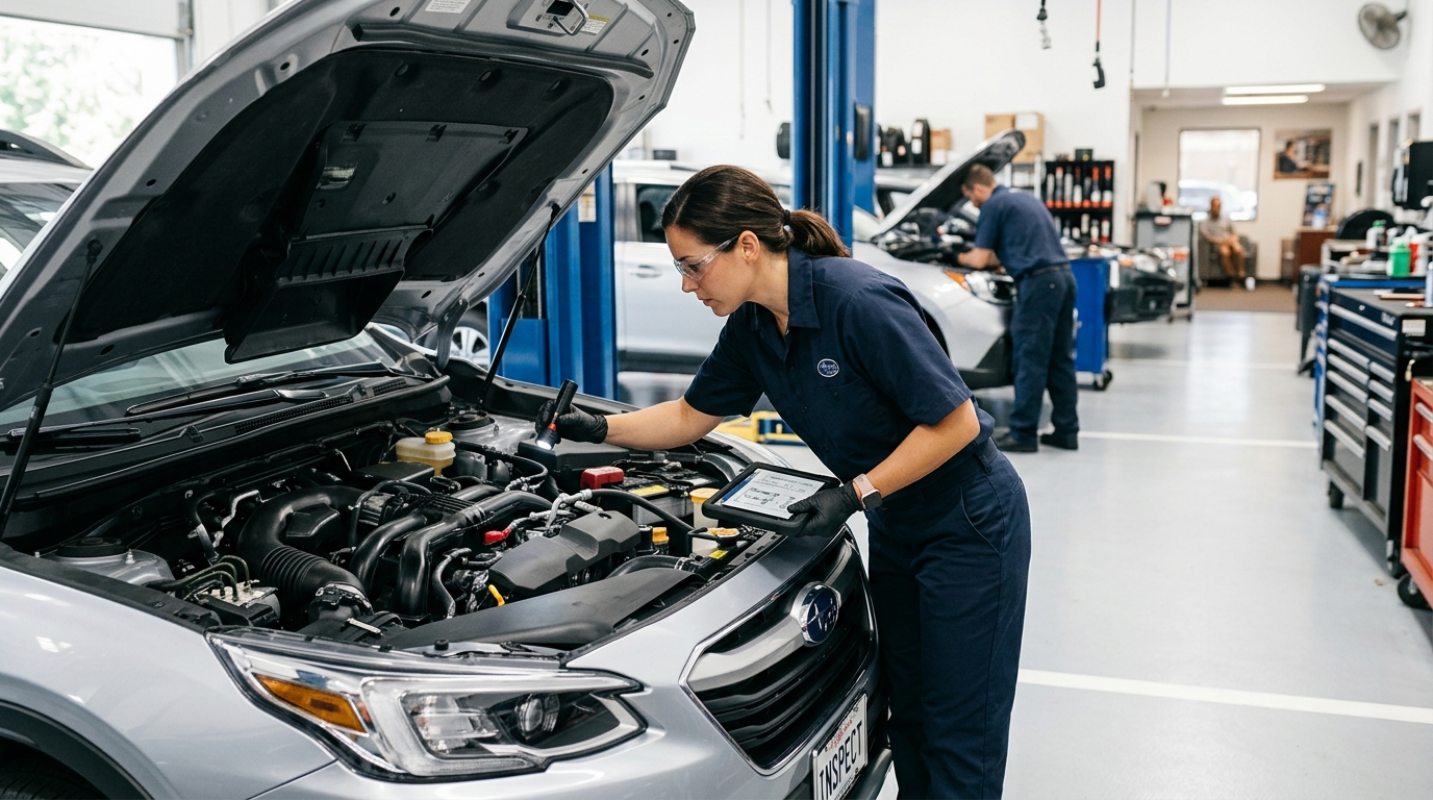
Verifying Technical Certifications
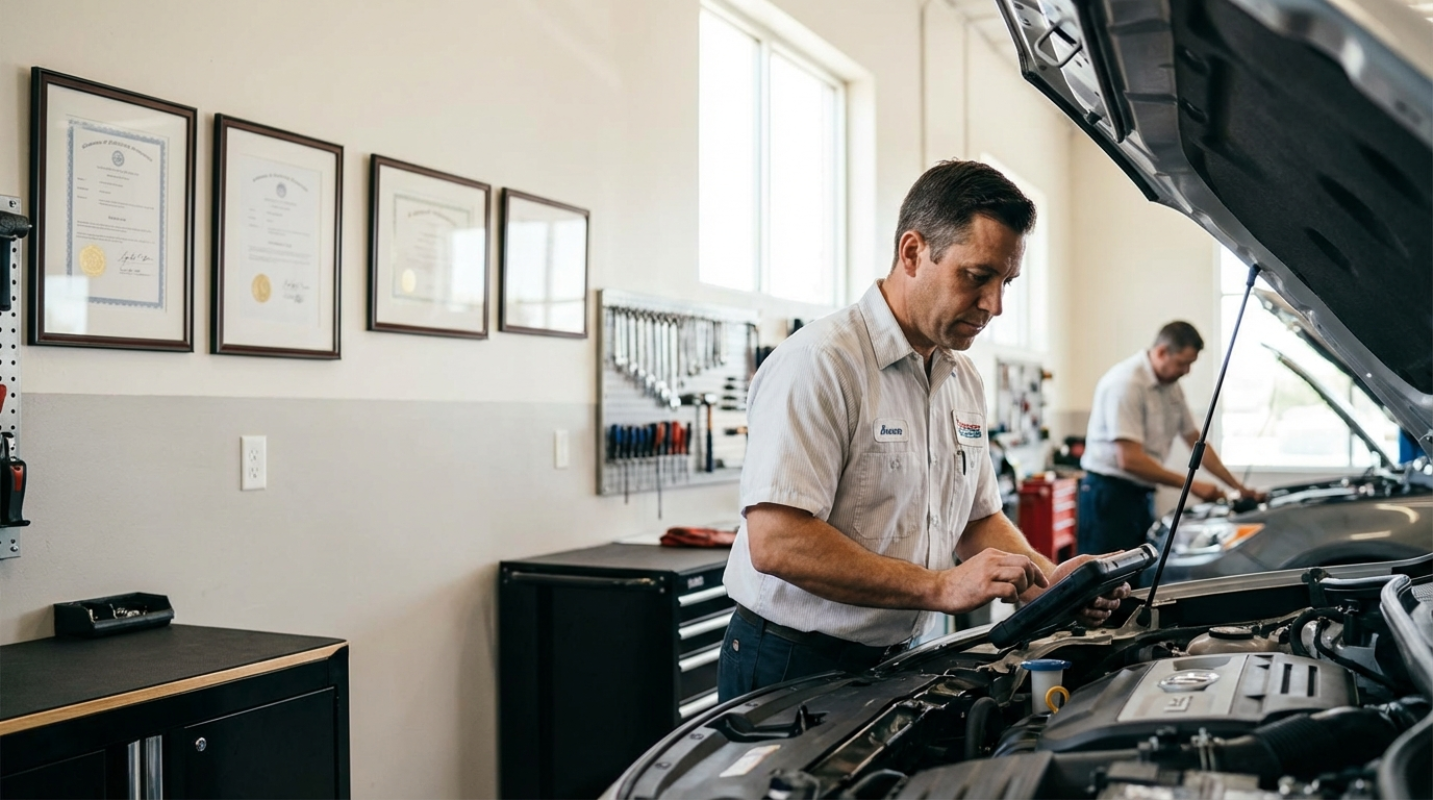
One of the first things to look for is proof that the people working on your vehicle are qualified experts. Certifications are not just decorations; they are evidence of rigorous professional training.
- ASE Standards: The National Institute for Automotive Service Excellence (ASE) is the gold standard. To be certified, a mechanic must have two years of professional experience and pass a difficult exam. Master Technicians have passed tests in all eight automotive service areas.
- Specialized Credentials: If you drive an electric vehicle (EV), a hybrid, or a specific luxury brand (like BMW or Mercedes), look for "Manufacturer Specific" certifications. These mechanics have access to proprietary diagnostic software that general shops may lack.
- Verification: You can actually verify an individual’s status online. At websites like ase.com, you can use a mechanic's ASE-ID to ensure their certifications are current and not expired.
Digital Detective Work and Reputation
Before you drive to a shop, use the internet to dig into their history. However, you must read reviews with a critical eye to separate genuine feedback from outlier complaints.
- Pattern Recognition: Don't just look at the star rating. Look for consistent mentions of "fair pricing," "clean work," or "explained the repair." Conversely, a pattern of "hidden fees" or "repeat visits for the same issue" is a major red flag.
- BBB and Consumer Agencies: Check the Better Business Bureau (BBB) for the shop's letter grade. A shop with an "A+" rating and zero unresolved complaints is a high-value target.
- The AAA Seal: Look for the AAA Approved Auto Repair sign. These shops undergo frequent inspections and annual customer satisfaction surveys to maintain their status.
Analyzing Shop Environment and Communication
A visit to the shop can tell you more than a thousand online reviews. The physical environment often reflects the quality of the mechanical work.
- Organizational Cues: While a repair bay won't be as clean as a hospital, it should be orderly. Tools scattered haphazardly and piles of old tires suggest a lack of attention to detail that might carry over into your engine repair.
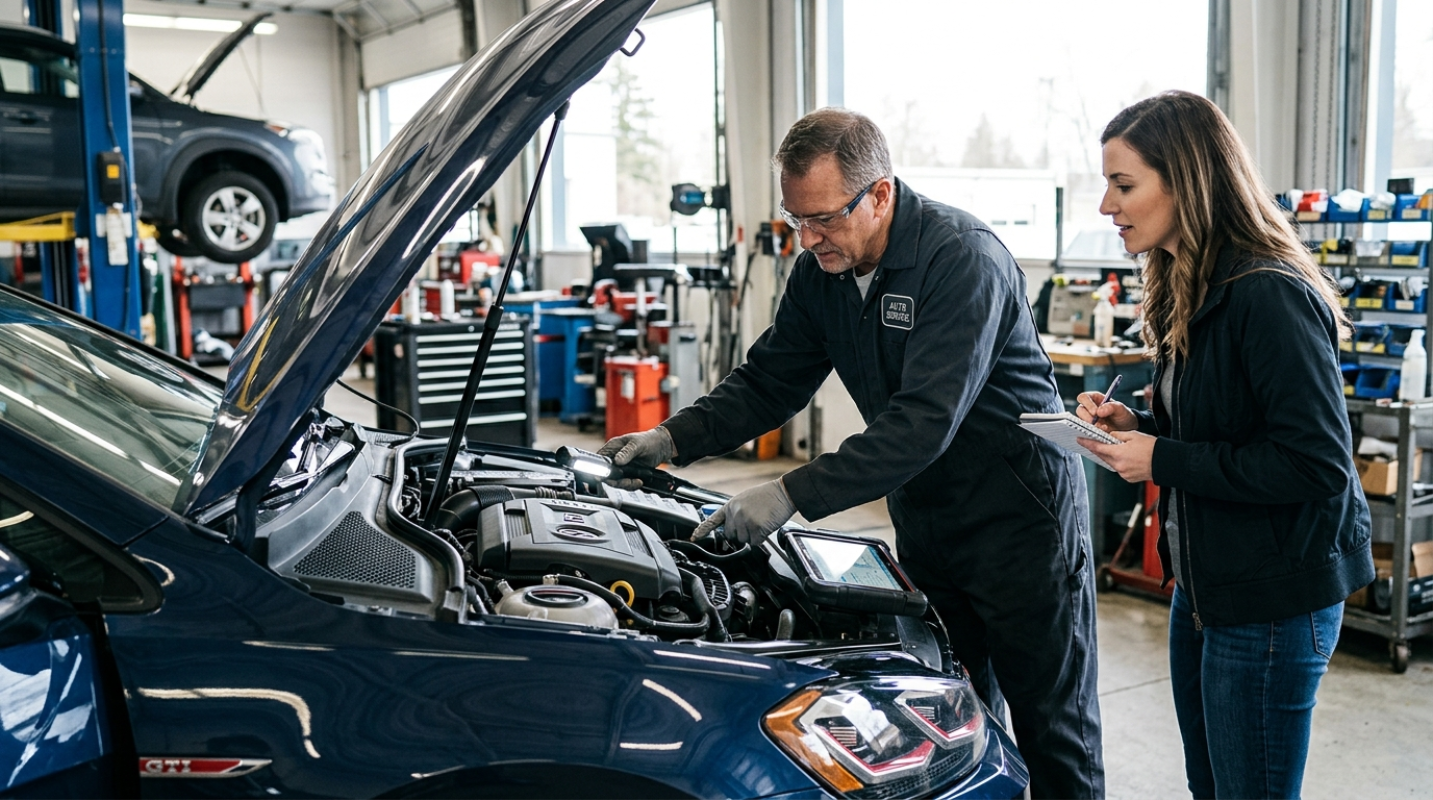
- The Jargon Test: A great mechanic should be a translator. They should explain the problem in plain English, show you the worn-out part, and explain why the repair is necessary. If they get defensive or use confusing jargon when you ask questions, they may be hiding something.
- Estimates in Writing: Reputable shops provide a written estimate before starting work. This should break down parts vs. labor costs. Under most state laws, a shop cannot exceed a written estimate by more than 10% without your explicit approval.
Understanding Labor Rates and Market Value
One of the biggest mysteries for drivers is the cost of labor. Labor rates vary significantly based on your geographic location and the type of shop you choose.
| Region / Shop Type | Typical Hourly Rate |
| Independent (Midwest/South) | $110 – $135 |
| Independent (West Coast/Northeast) | $150 – $190 |
| Dealership (National Average) | $180 – $250+ |
| Specialty (EV/European/Diesel) | $160 – $200+ |
By knowing these benchmarks, you can tell if a shop is overcharging you. If a local independent shop in a rural area is charging $200 per hour for a simple brake job, they are likely not being fair.
The Low-Stakes "First Date" Test
The best way to build a relationship is with a low-stakes test run. Don't wait for your transmission to fail; schedule a minor service first.
- The Test Job: Book an oil change or a tire rotation. This gives you a chance to see their operation firsthand for under $100.
- The Honesty Trap: If you know your air filter is brand new but the mechanic tells you it’s "filthy" and needs replacement, you have found a shop to avoid. If they tell you the car looks perfect and send you on your way, you’ve found an honest partner.
- Warranty Inquiry: Always ask about the warranty. A solid shop should offer at least a 12-month or 12,000-mile guarantee on both parts and labor.
Establishing this trust early ensures that when a major repair is eventually needed, you have a partner who will prioritize your safety and your budget.
Disclaimer: Labor rates and certification requirements vary by state. Always consult your vehicle's manual for manufacturer-recommended service intervals. Articles on affordableautomotiveservices.com are for informational purposes only.