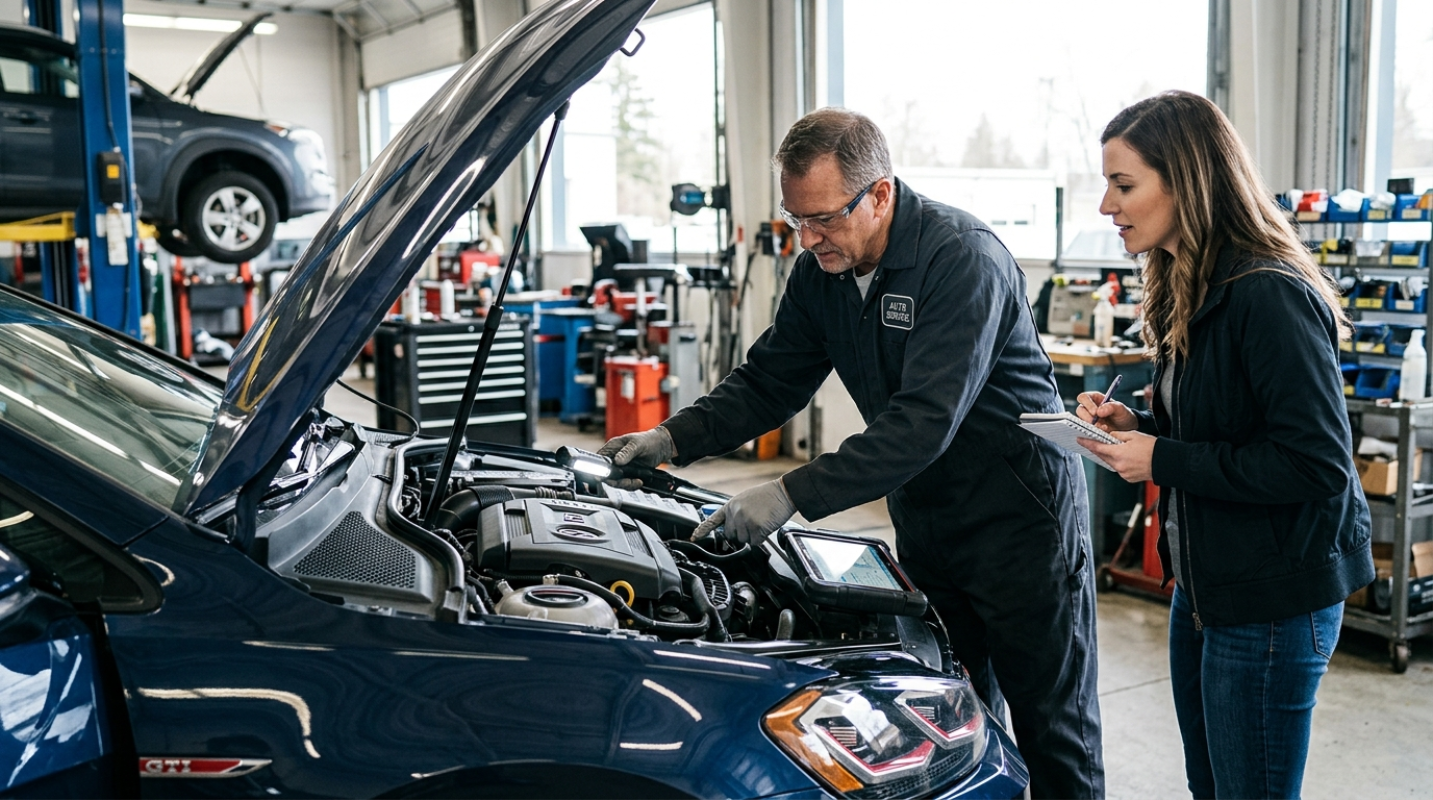
Maintaining a vehicle requires a transition from reactive repairs to proactive management. While specialty shops offer deep expertise in specific areas like tires or transmissions, a full-service automotive center operates as a comprehensive health hub for your car. These facilities provide a centralized location for diagnostics, routine maintenance, and complex mechanical overhauls. By consolidating services at a single reputable establishment, an owner can optimize their schedule, ensure a holistic approach to vehicle care, and maintain a singular, detailed record of the machine's history.
Efficiency Through Service Consolidation
The most tangible benefit of a full-service shop is the mitigation of logistical friction. Modern schedules often leave little room for multiple automotive appointments, making the ability to address several needs in one visit essential.
- Logistical Simplification: A vehicle requiring an oil change, a brake inspection, and a diagnostic check for a dashboard warning light would traditionally require three separate trips to specialty retailers. A full-service center allows these tasks to be completed simultaneously, reducing the total time the vehicle is out of service.
- Transportation Continuity: Large-scale service centers frequently provide amenities such as local shuttle services or loaner vehicles. Coordinating these benefits is much simpler when dealing with one service advisor rather than managing drop-offs across multiple locations.
- Unified Financial Transactions: Consolidating repairs into a single invoice allows for better budget tracking. Many full-service shops also offer financing options for larger repairs, which may not be available at smaller, specialized "quick-lube" or tire-only outlets.
Holistic Diagnostics and Systems Integration
Automobiles are integrated machines where the failure of one component often impacts another. Full-service technicians are trained to observe the relationships between various mechanical systems.
- Interconnected Awareness: A technician at a specialized tire shop may replace a prematurely worn tire without investigating the underlying suspension issue that caused the wear. A full-service mechanic acts as a general practitioner, identifying the root cause—such as a failing strut or a bent control arm—to prevent the new tire from suffering the same fate.
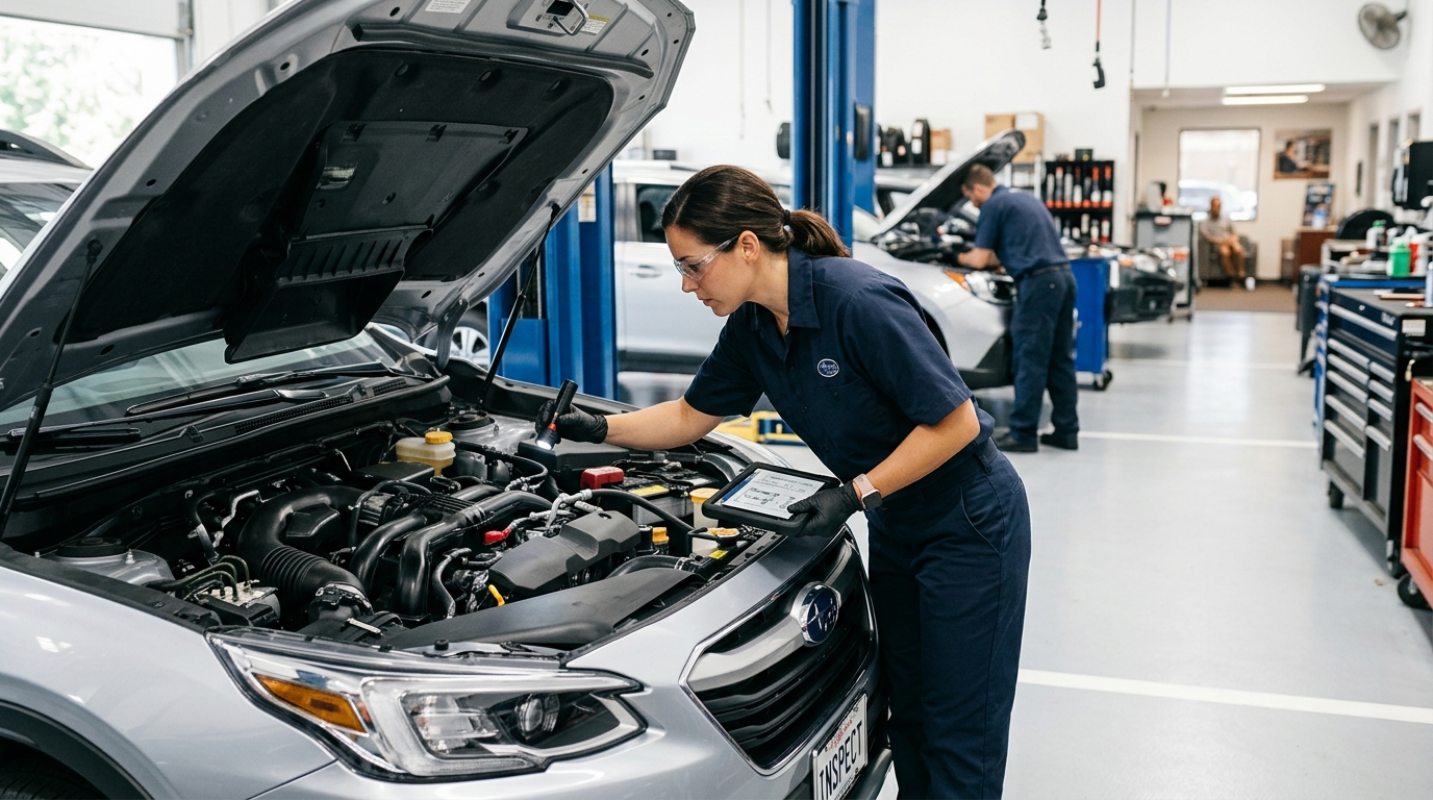
- Preventative Oversight: During a standard oil change, a full-service professional will typically perform a multi-point inspection. This allows them to spot emerging issues, such as a weeping water pump or a cracked serpentine belt, before these minor leaks turn into catastrophic engine failures.
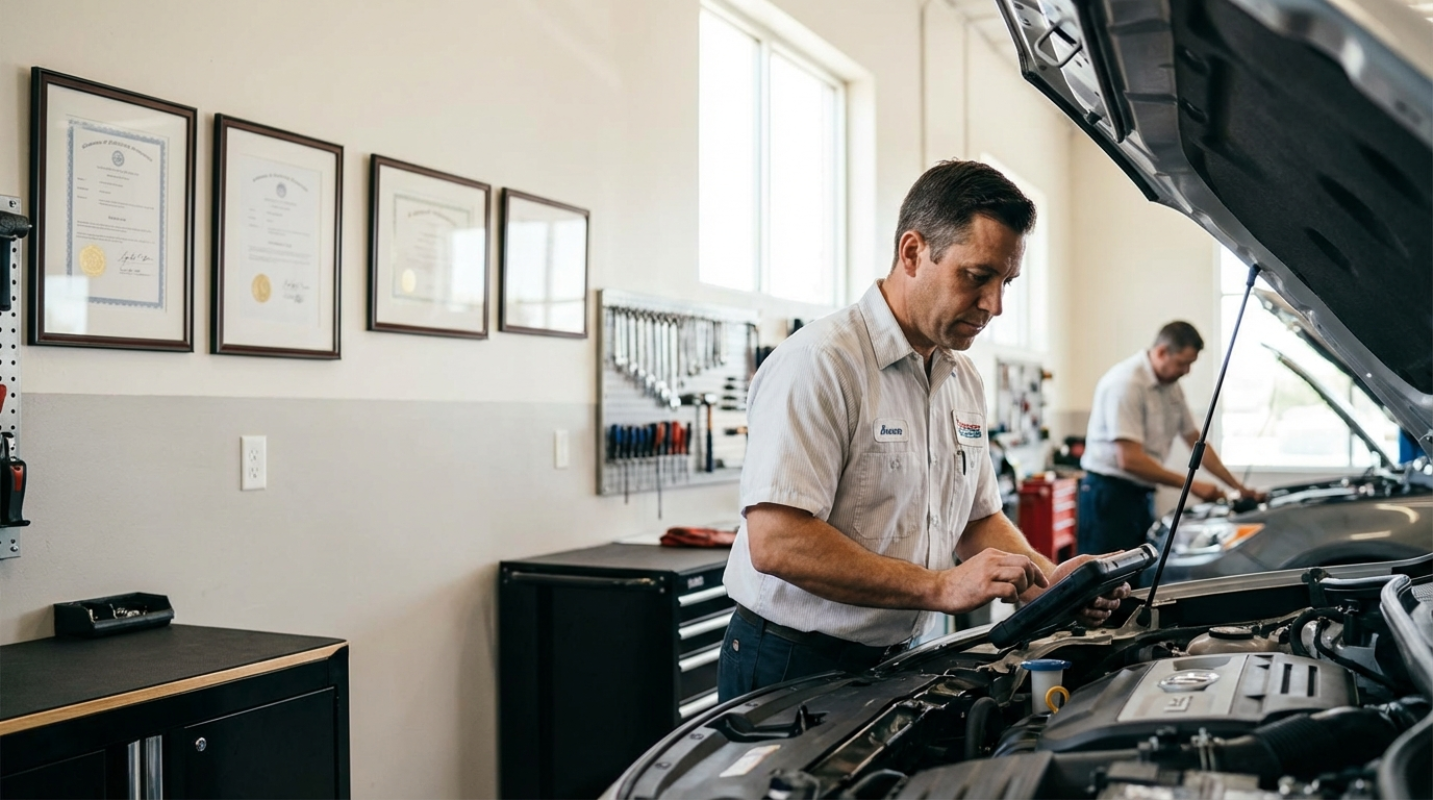
- Technical Versatility: Full-service shops employ a diverse team of specialists under one roof. Whether the issue is electrical, hydraulic, or mechanical, the facility has the specialized tools and personnel required to perform the repair without outsourcing the work to a third party.
Leading Service Networks Across the Country
For drivers seeking reliability and a consistent standard of care, several national and regional networks provide full-service capabilities. These organizations are often recognized for their extensive training programs and nationwide warranties.
- NAPA AutoCare Centers: As of 2026, this is the largest network in the United States, with over 17,000 locations. These are independently owned shops that meet strict quality standards, offering a "local" feel with the backing of a massive national parts and warranty network.
- Christian Brothers Automotive: Frequently ranked highest in customer satisfaction by J.D. Power, this franchise is known for its focus on transparency and clean, professional waiting environments. They emphasize "neighborhood" service while providing comprehensive mechanical repairs.
- Firestone Complete Auto Care: With more than 1,700 locations, Firestone has evolved from a tire specialist into a massive full-service provider. They are a reliable option for drivers who want a consistent experience across state lines, as their digital records are accessible at any of their facilities.
- Meineke Car Care Centers: Originally focused on exhaust systems, Meineke has transitioned into a "Total Car Care" model. They are a prominent choice for those looking for full-service maintenance, including engine diagnostics and fleet services.
- Midas: Another heritage brand that moved from mufflers to a complete service menu. Midas is widely accessible and often provides competitive pricing on routine maintenance packages and brake services.
Strategic Advantages of a Single Service Provider
Building a long-term relationship with a single shop creates a level of accountability and personalized care that "shop-hopping" cannot replicate.
- Centralized Digital Records: When a vehicle is serviced at the same location over several years, the shop maintains a perfect chronological history of every fluid flush, part replacement, and inspection. This organized history significantly increases the resale value of the car, as it provides documented proof of diligent maintenance.
- Historical Context: A mechanic who knows your vehicle's history will not recommend a service that was recently performed. They understand the specific "quirks" of your car and can provide advice tailored to your specific driving habits and budget.
- Enhanced Accountability: Sticking to one shop eliminates the "finger-pointing" that can occur between specialists. If a repair fails, there is no question about who is responsible for the warranty work. The shop is motivated to maintain the relationship and will typically prioritize a loyal customer during a mechanical emergency.
By choosing a full-service automotive partner, an owner moves from a chaotic, fragmented approach to car care toward a streamlined, professional management strategy. This shift not only saves time and reduces stress but ensures the vehicle remains a safe, reliable, and valuable asset for the long term.
Disclaimer: This information is for educational purposes. Service availability and quality can vary by individual location, even within national franchises. Always check local reviews and verify ASE certifications before selecting a primary service provider.