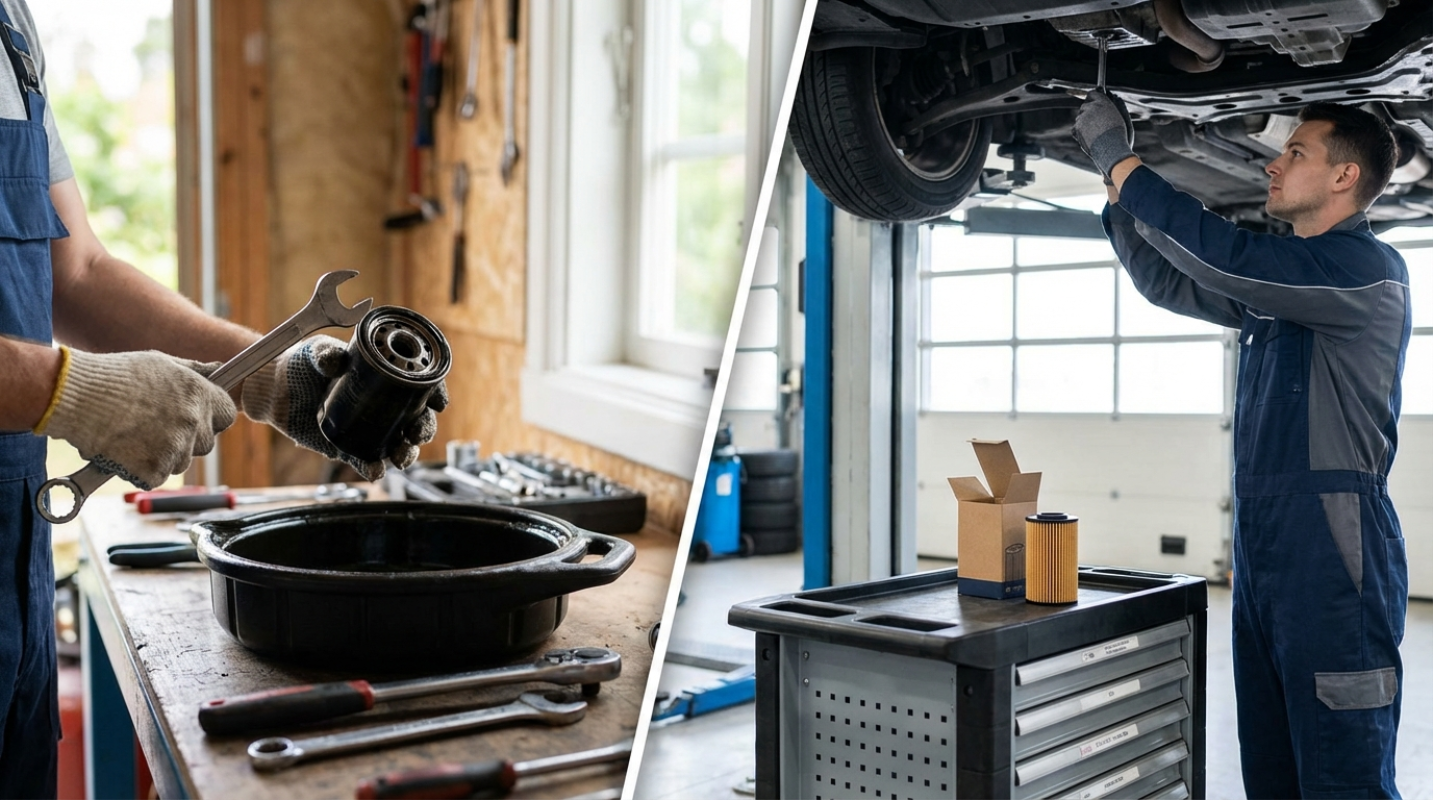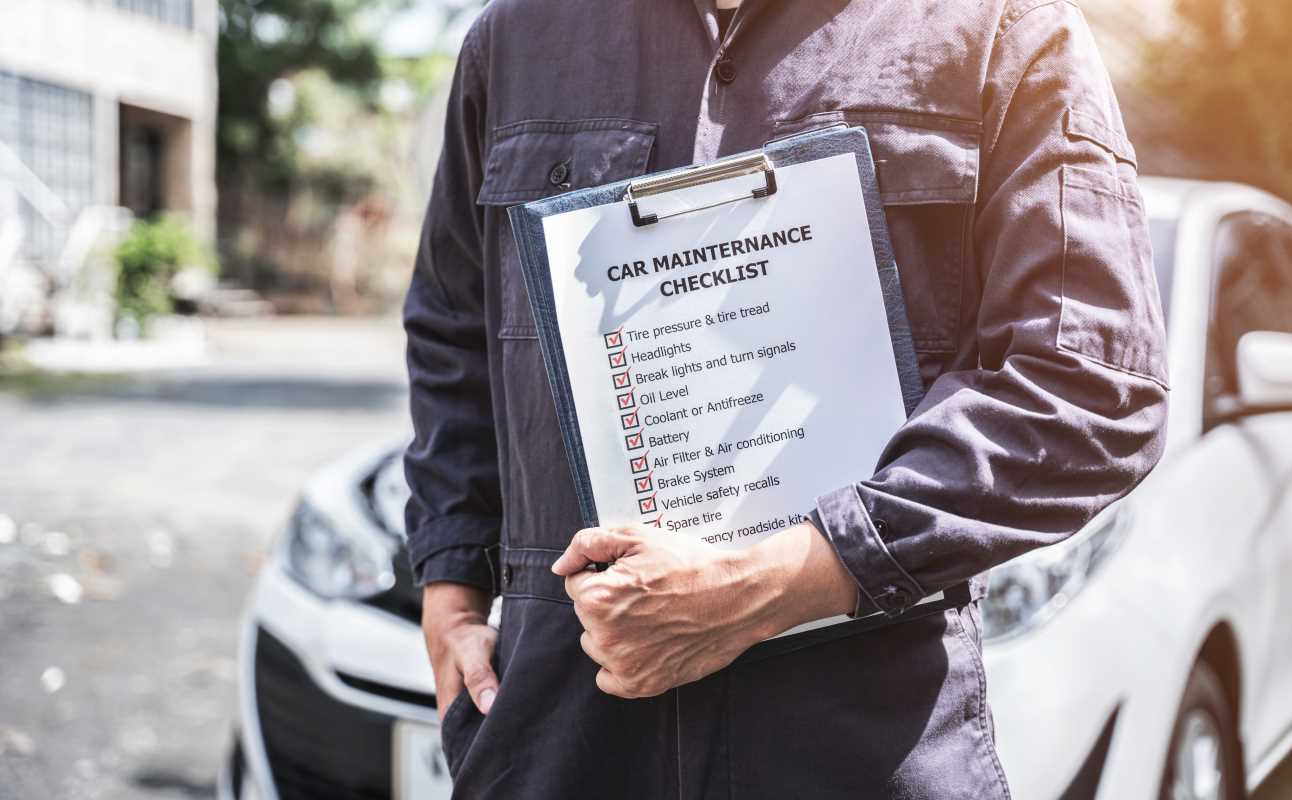
Engine health mirrors personal health; neglect leads to systemic failure. While driving provides freedom, the mechanical systems under the hood require consistent oversight to function. A yearly inspection serves as a preventative shield against the high costs of emergency repairs. By committing to a structured review of the vehicle's hardware, owners bypass the stress of sudden breakdowns and maintain a higher resale value for the machine.
Lubrication and Filtration Systems
The engine depends on a constant flow of oil to prevent metal-on-metal friction. Over months of operation, this fluid accumulates carbon deposits and metallic debris, transforming from a slippery lubricant into a harmful abrasive.
- Oil Viscosity Management: Synthetic oils, such as Mobil 1 Extended Performance, provide superior heat resistance compared to conventional blends. Regardless of mileage, replacing this fluid annually prevents the buildup of sludge that clogs narrow oil galleries.
- Particle Entrapment: The oil filter serves as the engine's kidney. A high-efficiency filter like the Fram Ultra Synthetic traps microscopic contaminants before they can scratch cylinder walls.
- Induction Clarity: An engine requires massive volumes of air to ignite fuel. A clogged air filter forces the engine to work harder, increasing fuel consumption. Installing a K&N High-Flow Air Filter allows the vehicle to breathe without restriction, improving throttle response.
- Fuel System Cleanliness: Using an additive like Chevron Techron Concentrate Plus once a year removes carbon from fuel injectors. This simple step maintains the spray pattern necessary for efficient combustion and prevents rough idling.
Tire Performance and Safety
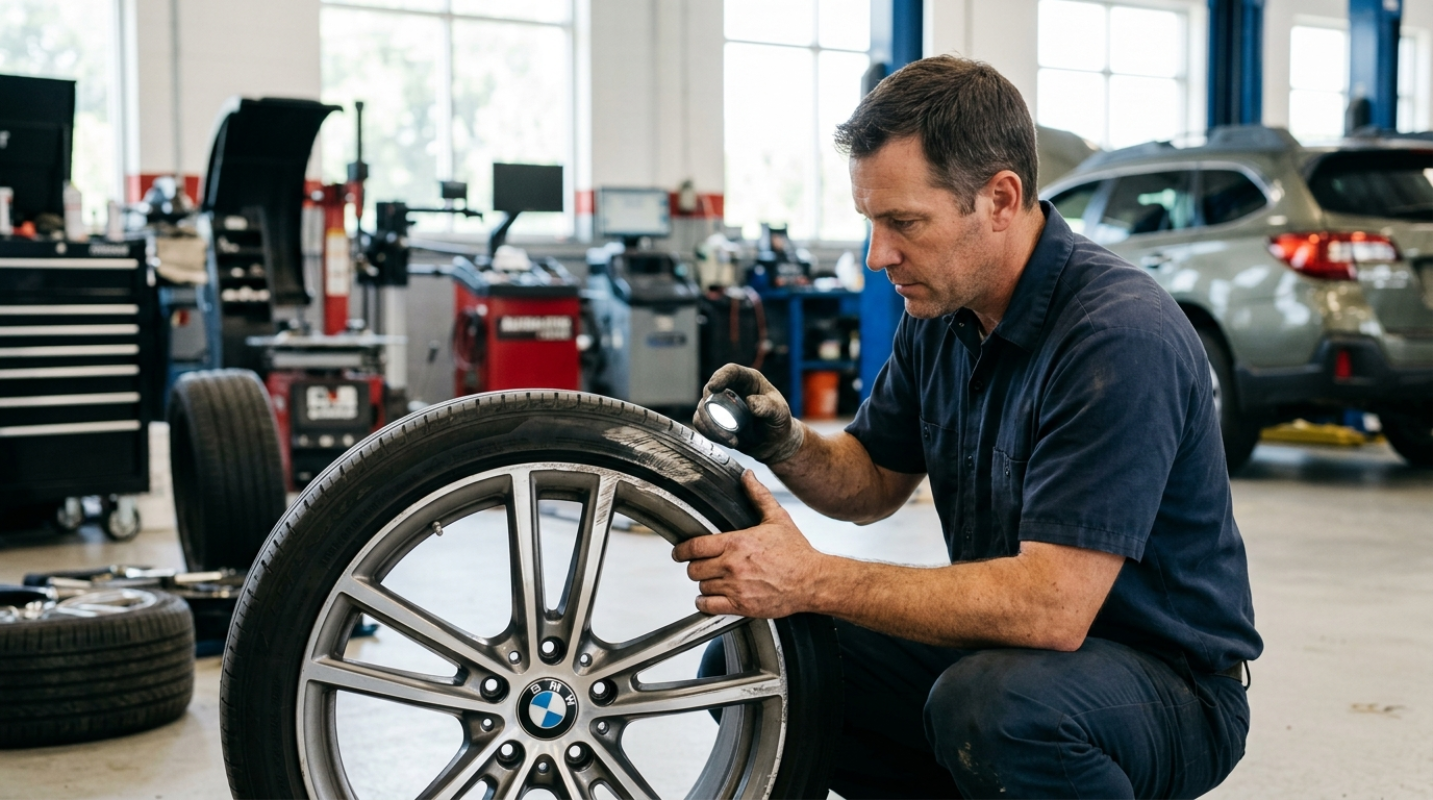
Tires represent the only contact point between the chassis and the pavement. Their condition dictates stopping distances and handling capabilities during inclement weather.
- Rotation Schedules: Front tires endure different stresses than rear tires due to steering and braking forces. Moving them to different positions every year ensures the tread wears down at an even rate, maximizing the life of the rubber.
- Pressure Calibration: Air expands and contracts based on the season. Use a Joes Racing Tire Pressure Gauge to check levels against the sticker found inside the driver’s door frame. Proper inflation reduces rolling resistance and saves money on gas.
- Tread Depth Analysis: Deep grooves are necessary to evacuate water and prevent hydroplaning. If the tread depth reaches 2/32 of an inch, the tire can no longer grip the road safely.
- Alignment Correction: If the steering wheel pulls to one side, the suspension geometry is likely out of spec. An annual alignment check prevents the "feathering" of tire edges, which ruins a set of tires prematurely.
Hydraulic Fluid Assessment
Beyond engine oil, a vehicle operates on various specialized fluids that manage heat, gear shifts, and braking force.
- Coolant Integrity: Antifreeze prevents the engine block from cracking in winter and melting in summer. Over time, the corrosion inhibitors in the fluid break down. Testing the pH level of the coolant ensures it is still protecting the radiator and water pump.
- Braking Response: Brake fluid is hygroscopic, meaning it absorbs moisture from the air. This water lowers the boiling point of the fluid, leading to a "spongy" pedal. Flushing the system with Motul DOT 5.1 ensures firm, reliable stopping power.
- Transmission Smoothness: The transmission generates significant heat during gear changes. Checking the fluid color is a window into the transmission's health; bright red is healthy, while dark brown suggests the fluid is burnt and needs replacement.
- Steering Assistance: Low power steering fluid causes a whining noise and increased physical effort to turn. Using a high-quality fluid like Lucas Oil Power Steering Stop Leak can also help condition old seals that are beginning to dry out.
Visibility and Electrical Components
The ability to see the road and be seen by other drivers is the most basic safety requirement. Electrical failures often stem from simple maintenance gaps.
- Optical Clarity: Plastic headlight lenses yellow over time due to UV exposure. A restoration kit like the 3M Headlight Restoration System clears the fog, significantly increasing the distance the beams reach at night.
- Wiper Efficiency: Rubber blades dry out and crack regardless of use. Replace them with Bosch Icon Wiper Blades, which utilize a beam design to maintain constant pressure against the glass, eliminating streaks during heavy rain.
- Battery Terminal Cleaning: Corrosion at the battery posts creates resistance, making the starter struggle to turn the engine. Cleaning the terminals with a wire brush and applying Noco Battery Corrosion Preventative ensures a strong electrical connection.
- Charge Testing: A battery typically lasts three to five years. Having it tested at a local shop reveals if the cells are holding a charge or if you risk being stranded in a parking lot next winter.
Belt and Hose Inspections
Rubber components under the hood are subject to extreme temperature swings, leading to "dry rot" and eventual snapping.
- Serpentine Belt Integrity: This single belt drives the alternator, water pump, and air conditioning. Inspect the underside for small cracks or missing chunks. A Gates Micro-V Belt is a reliable replacement that prevents a total mechanical shutdown on the highway.
- Coolant Hose Elasticity: Squeeze the large radiator hoses when the engine is cool. If they feel crunchy or overly soft, they are at risk of bursting under pressure.
- Timing Belt Awareness: On vehicles equipped with a timing belt rather than a chain, following the manufacturer’s replacement interval is a hard requirement. If this belt snaps, the engine is often destroyed instantly.
Cabin Environment and Comfort
The interior of the vehicle also requires attention to maintain a pleasant driving experience and protect the health of the passengers.
- Air Quality: The cabin air filter catches pollen and dust before it enters the vents. A carbon-activated filter like the EPAuto Premium Cabin Air Filter also neutralizes odors from outside the car.
- Weatherstrip Lubrication: Applying silicone grease to the rubber seals around doors and windows prevents them from sticking in freezing weather and stops wind noise at high speeds.
- Drainage Paths: Sunroofs and windshield cowls have small drains to channel rainwater away. If these get plugged with leaves, water can back up into the floorboards, causing mold and electrical shorts.
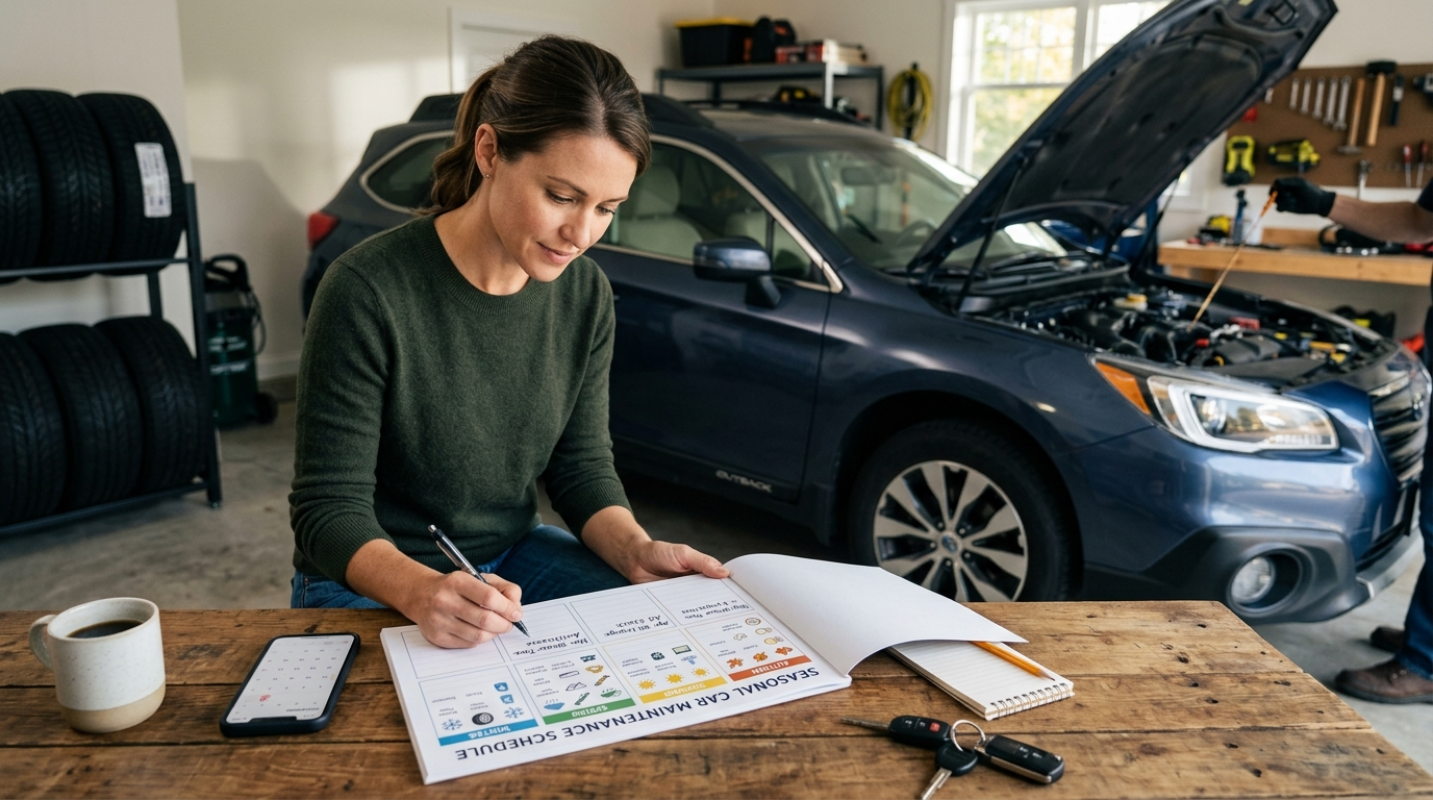
By addressing these specific areas during a yearly checkup, the vehicle remains a reliable tool rather than a source of anxiety. Systematic care is the most effective way to reach high mileage milestones without facing catastrophic failures.
Articles on affordableautomotiveservice.com are for informational purposes only and do not provide professional or legal advice. Consult an expert before making decisions. We are not responsible for actions taken based on this content.
.png)