.png)
Think about the last time your car made a noise that sent a chill down your spine. That sudden, sinking feeling usually translates directly into a massive, unbudgeted bill. We all know that preventative vehicle maintenance is important, but often, it feels like an annoying expense—a cost that chips away at your savings when the car seems perfectly fine. It’s time to flip that script. Preventative maintenance isn’t an expense; it’s one of the best investments you can make. By being proactive, you aren't just delaying a breakdown; you’re drastically reducing your overall lifetime cost of vehicle ownership. In fact, studies show that preventative maintenance can save you 18% to 30% in maintenance costs compared to waiting for a reactive (emergency) repair.
The Hidden Cost of Neglect
The difference between routine care and emergency repair is often the difference between a few hundred dollars and several thousand.
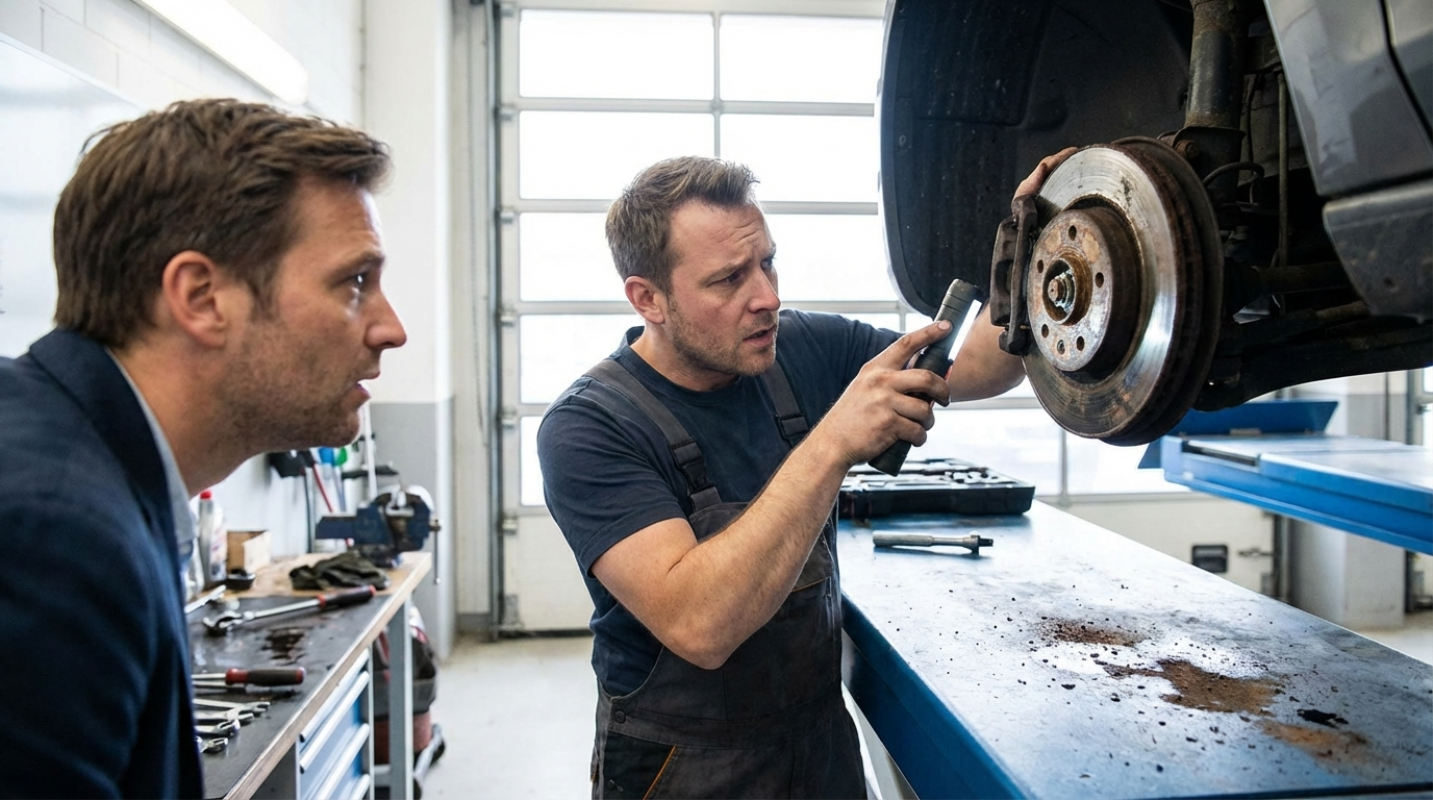
Imagine this: You hear a slight squealing when you brake, but you ignore it for three months. That minor sound signals worn-out brake pads, a relatively inexpensive fix. But neglect that issue, and you quickly chew through the rotors, potentially damaging the calipers. Now, instead of a simple pad swap, you’re looking at a bill that could easily hit $800 or more.
That’s the core philosophy of smart vehicle ownership. One dollar spent on preventative care saves an average of five dollars in corrective maintenance and repair costs down the line. Ignoring a simple transmission fluid flush, like, might save you $200 today, but a complete transmission rebuild can be 10 to 20 times more expensive.
To stay financially safe, experts suggest setting aside a dedicated maintenance fund of approximately $100 to $150 per month to cover routine services and unexpected repairs. It’s a small, consistent line item that prevents catastrophic financial shocks.
Making Maintenance Affordable and Timely
The owner’s manual isn’t just a dusty book you keep in the glove compartment; it’s your vehicle’s financial roadmap. Following the manufacturer’s schedule is the simplest, most effective way to save money long-term.
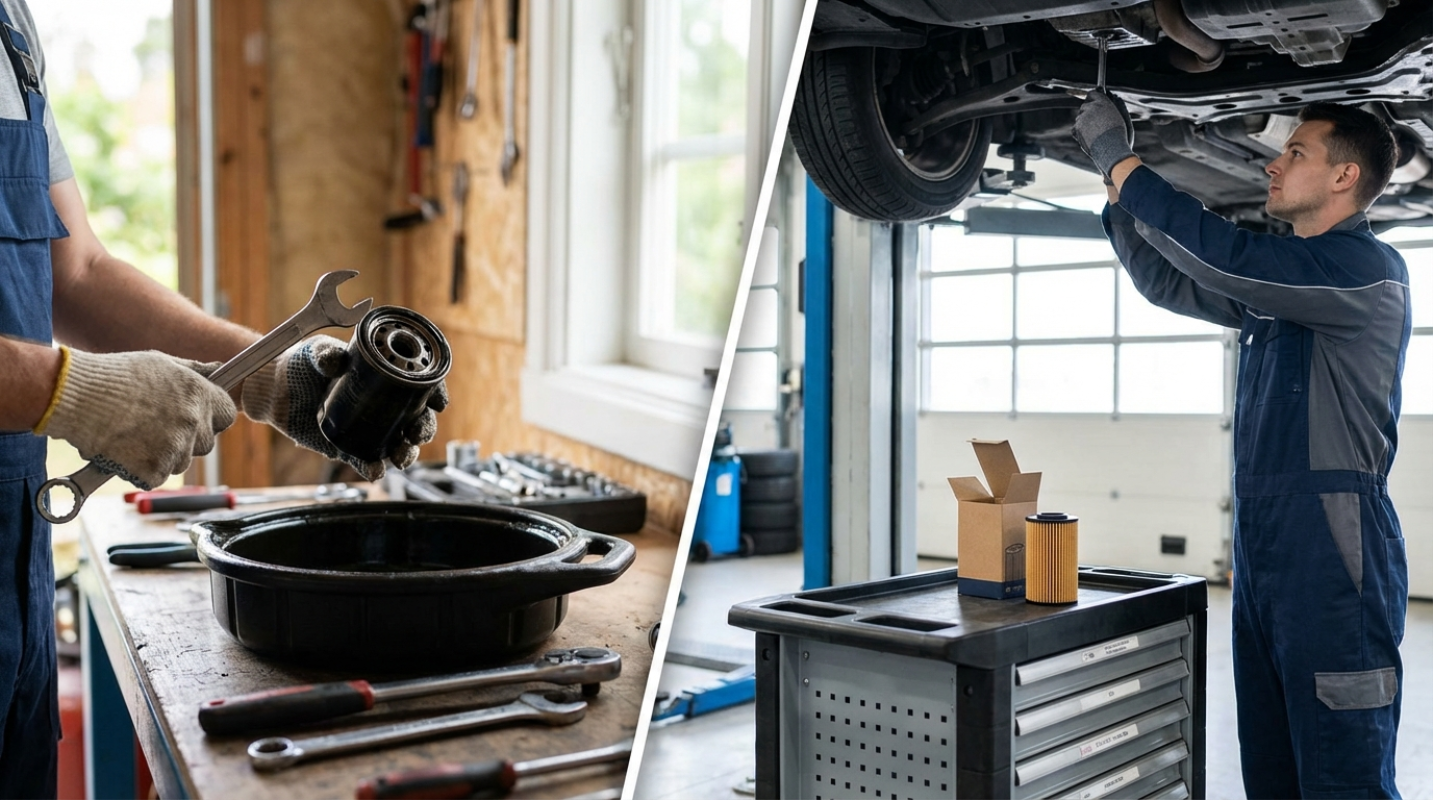
But let’s be real—life happens. If you drive frequently in extreme heat, stop-and-go traffic, or dusty conditions, you might need to adjust those guidelines slightly. Consistency matters. Don't push that oil change past 5,000 miles just because you’re busy. That small delay impacts engine wear and efficiency.
One of the smartest ways to save money is through service bundling. Auto shops and dealerships frequently offer packaged deals, combining routine tasks like an oil change, tire rotation, and brake inspection into a single, discounted price. This approach simplifies the customer experience and usually offers a competitive advantage over paying for each service separately. Look for these package deals; they offer genuine value and make sure you cover multiple maintenance bases in one visit.
DIY vs. Pro
You don't need a four-post lift or a master mechanic certification to save significant money on maintenance. There are many simple, high-impact checks you can perform right in your driveway that drastically cut down on labor costs and prevent major issues.
High-Impact DIY Checks
- Check Fluid Levels The oil, coolant, and washer fluids are simple to monitor. Keeping fluids topped off is cheap insurance.
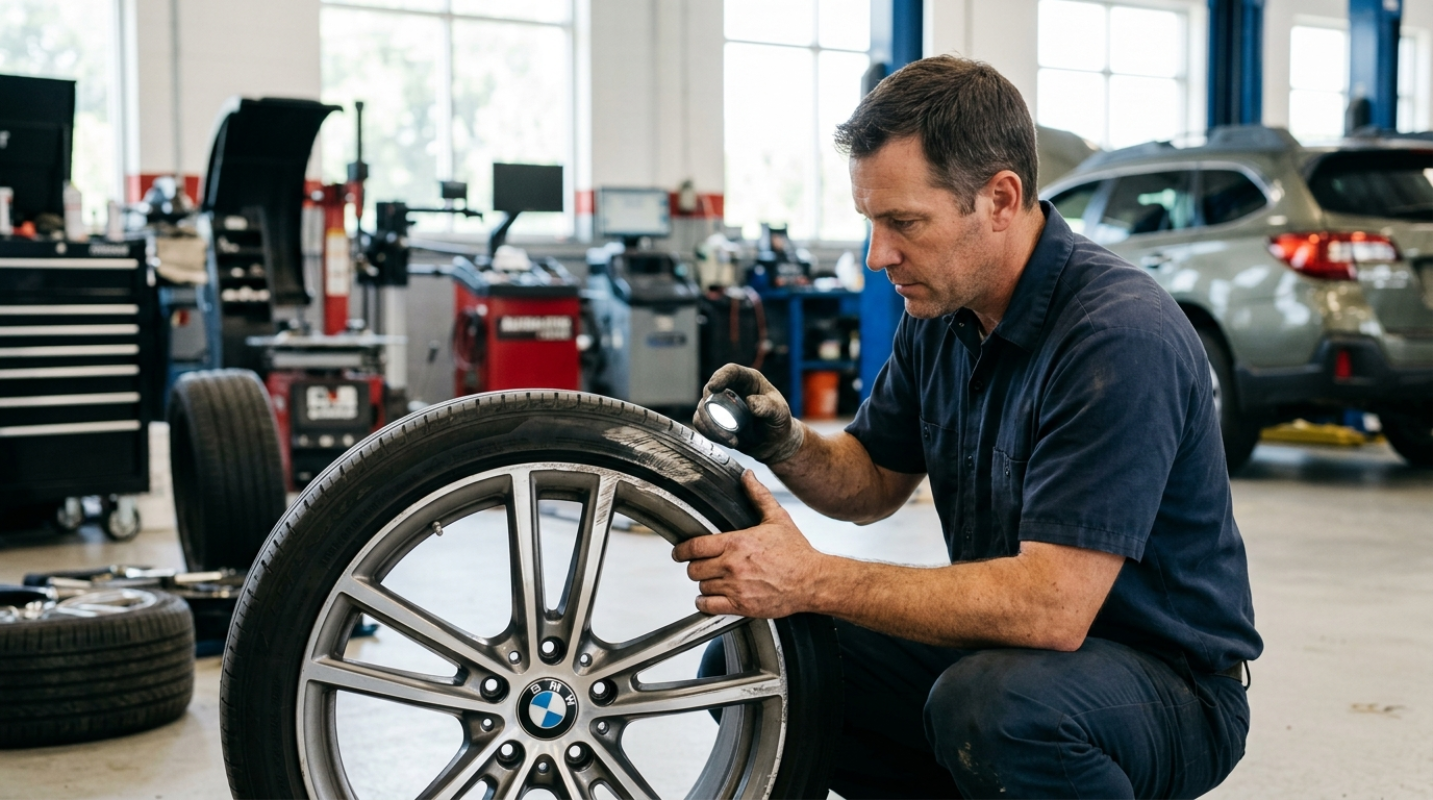
- Tire Pressure This is perhaps the easiest and most important task. Checking and adjusting tire pressure monthly can extend your tire life by an average of 4,700 miles and improves your fuel efficiency. That’s a double win for your wallet.
- Filters and Wipers Replacing the engine air filter, cabin air filter, and windshield wipers takes minutes and saves you the shop’s labor markup.
When to Call the Experts
Although DIY is great for basic checks, certain tasks demand professional expertise. Anything involving the braking system (beyond a visual check), major engine diagnostics, transmission service, or complex electrical issues should be left to a trained mechanic.
When seeking professional help, remember that independent repair shops often charge 25% or more less than dealership service departments. Building a long-term relationship with a trusted independent mechanic is important for both cost management and quality control.
Using Technology and Deals for Budget-Friendly Service
In 2026, saving money on maintenance is often about being a savvy digital consumer.
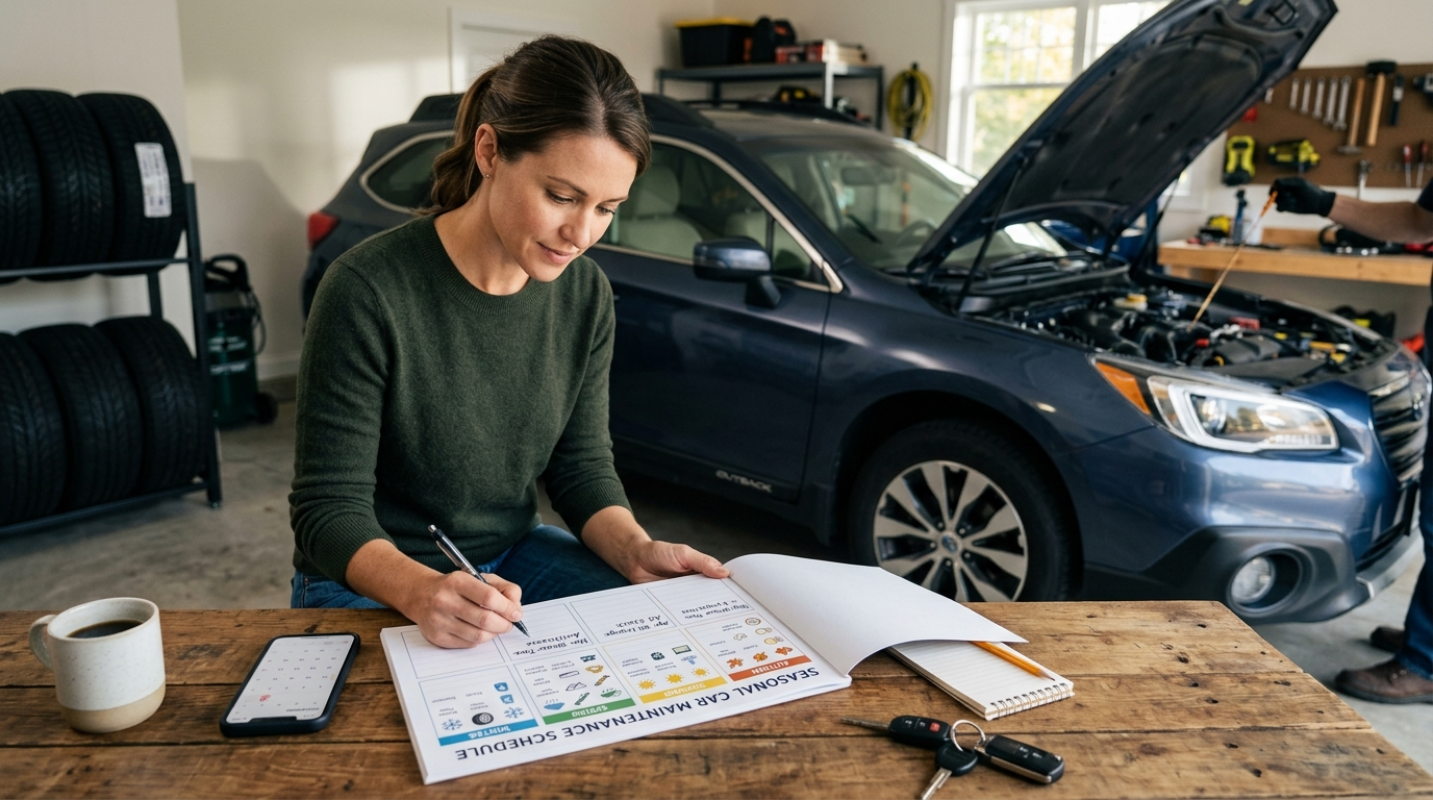
First, use technology to your advantage. Whether it’s a simple spreadsheet or a dedicated vehicle maintenance app, tracking your service history and setting automated reminders make sures you never miss a scheduled service. It’s the digital equivalent of following your manual.
Second, be aggressive about finding value. Before committing to service, actively look for coupons, loyalty programs, or seasonal specials from independent shops and parts stores. Never assume the sticker price is the final price.
Finally, always ask for an itemized quote before authorizing any work. If a shop quotes you for a new part, ask to see the old one. This transparency make sures you understand exactly what you are paying for and prevents unnecessary "upsells."
Drive Confidently, Spend Wisely
The secret to saving money on preventative maintenance is consistency, not complexity. You have control over your vehicle’s financial future simply by paying attention to the small details and adhering to a schedule.
By adopting a proactive mindset—budgeting that $100 to $150 monthly fund, following the manual, and performing simple DIY checks—you effectively insulate yourself from the crushing costs of emergency repairs. You won’t just be driving a safer, more reliable car; you’ll be driving a car that costs you less, year after year.
This article is for informational and educational purposes only. Readers are encouraged to consult qualified professionals and verify details with official sources before making decisions. This content does not constitute professional advice.