We’ve all been there: you’re cruising along, maybe ignoring that little squeak or delaying that oil change by just a few weeks. It feels harmless, right? You’re saving time and $75 now. But that seemingly minor oversight is precisely how a $100 repair turns into a $4,000 catastrophe. The common misconception is that car maintenance is an expense. It’s not. It’s an investment—a non-negotiable insurance policy against massive, unexpected financial trauma. In 2026, when vehicle repair costs are soaring, avoiding the shop floor requires vigilance. This isn’t about changing your wiper blades; it’s about avoiding the most common, most financially destructive errors drivers make, mistakes that cost thousands and sideline your vehicle when you need it most.
Mistake 1: Ignoring Fluid Checks and Changes
If your engine is the heart of your car, then its fluids are the blood. And just like blood, if the fluids are old, dirty, or low, the entire system breaks down.
The most egregious and costly neglect often involves the transmission. Many drivers view transmission fluid as "lifetime" or simply forget about it until disaster strikes. A preventative transmission fluid change is a relatively inexpensive service, typically costing between $80 and $250. Compare that to the average cost of a full transmission replacement or rebuild, which commonly falls between $2,500 and $7,000. That difference is not a maintenance cost; it’s a financial cliff.
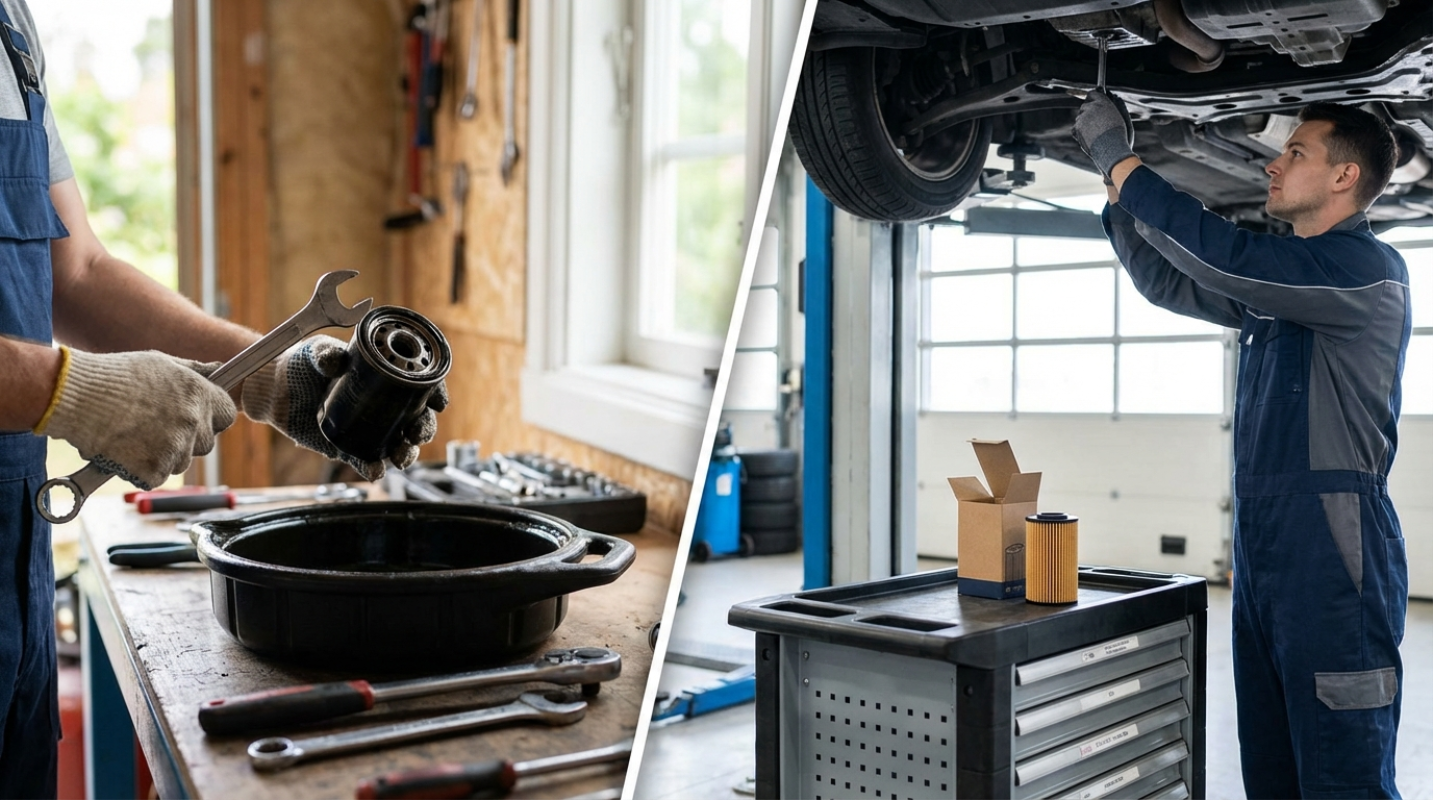
Engine oil is equally important. Old, degraded oil loses its viscosity and lubricating properties, turning into sludge that causes friction and heat. This friction accelerates the wear on internal engine components, guaranteeing premature failure. You might stretch that 5,000-mile interval to 7,000 once or twice, but over the lifespan of the car, you are actively grinding down thousands of dollars in engine components.
Don’t forget the less glamorous fluids, either. Brake fluid absorbs moisture over time, reducing braking efficiency and corroding internal brake lines and components. Coolant (antifreeze) also degrades, leading to corrosion and scale buildup inside the radiator and water pump. Neglected coolant systems are a leading cause of overheating, which can warp cylinder heads and destroy an entire engine block.
Mistake 2: The Tire Tread Trap – Improper Care and Replacement
Tires are the only part of your car touching the road, yet they are one of the most neglected components. Ignoring tire maintenance doesn't just reduce safety; it dramatically shortens the lifespan of the tire and impacts your fuel economy.
The first mistake is under-inflation. Tires that are even slightly below the recommended pressure create more rolling resistance, forcing your engine to work harder and wasting gasoline. Worse, improper pressure causes uneven wear, particularly along the edges. This means you’re paying for a full set of tires but only getting 70% of the mileage out of them before they need replacement.
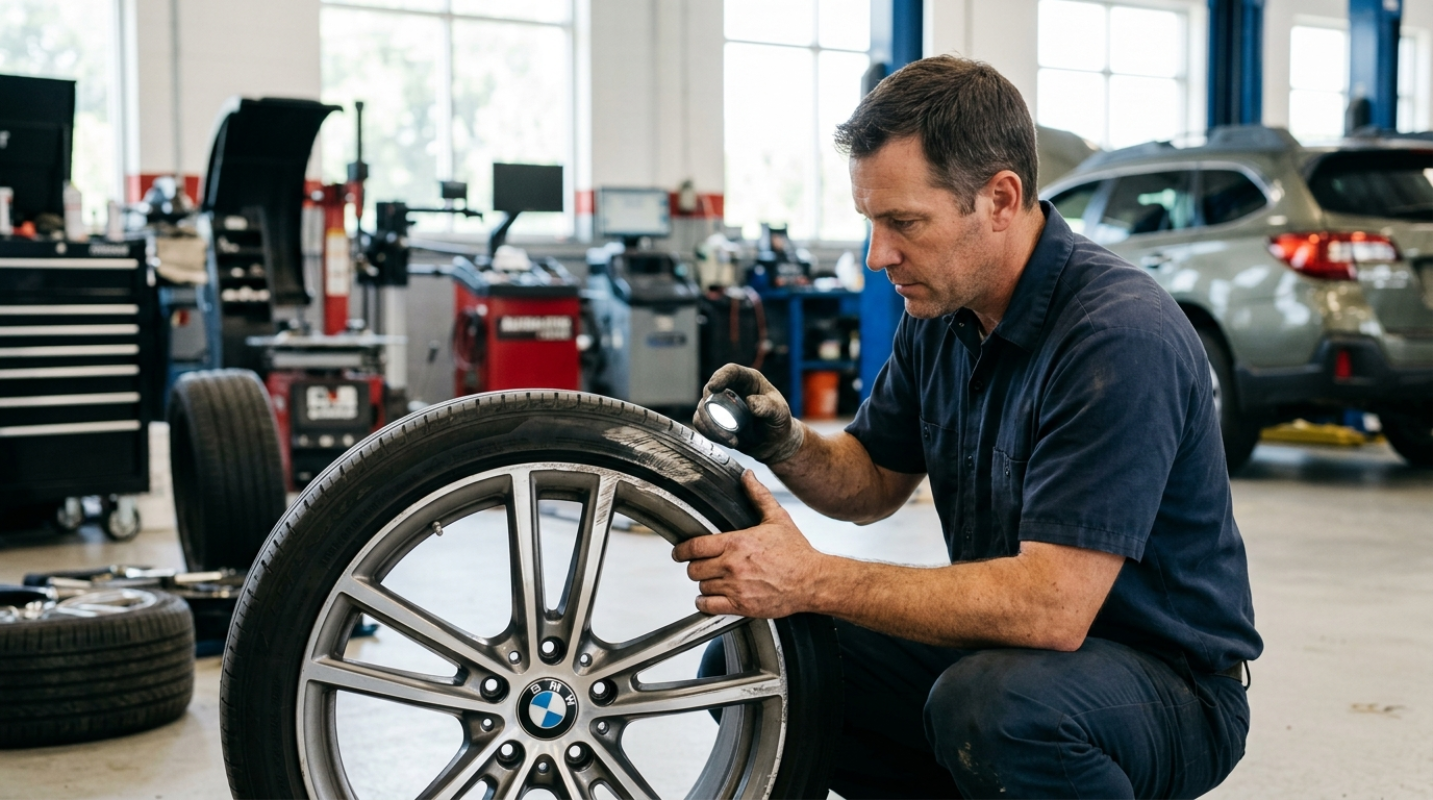
The second mistake is ignoring rotations and alignments. Tires should be rotated every 5,000 to 7,000 miles to make sure even wear across all four wheels. Skipping this step guarantees that the front tires (which handle steering and most braking) wear out months before the rear ones, forcing you to buy new pairs more frequently. If your car pulls to one side, you need an alignment immediately. Ignoring it means your tires are constantly dragging sideways, dramatically accelerating tread wear and often causing premature failure of suspension components.
Finally, there’s the trap of buying the absolute cheapest tires available. Tires are a safety item. Although you might save a few hundred dollars upfront, cheap tires often have terrible wear ratings, poor traction, and may need to be replaced twice as often as a quality set, proving to be a false economy in the long run.
Mistake 3: Deferring Necessary Small Repairs (The Domino Effect)
The most costly error a driver can make is adopting the "wait-and-see" approach to warning signs. Your car is designed to communicate problems early, but if you silence the messenger, the problem grows unchecked.
The Check Engine Light Gamble
That glowing amber icon—the Check Engine Light (CEL)—is the digital equivalent of a fire alarm. Ignoring it is perhaps the single most expensive maintenance mistake drivers make. Many assume it’s just a loose gas cap, but the CEL can signal a vast range of problems, many of which affect important systems.
When you ignore a CEL, you allow a small, inexpensive sensor problem to cascade into a major failure. Like, a persistent misfire or an issue with an oxygen sensor might seem minor, but if left unaddressed, it can pump raw, unburned fuel into your exhaust system, completely ruining the catalytic converter—a repair that costs thousands of dollars due to the precious metals inside the component. Don’t guess; get the code scanned immediately.
The Squeal vs. The Grind
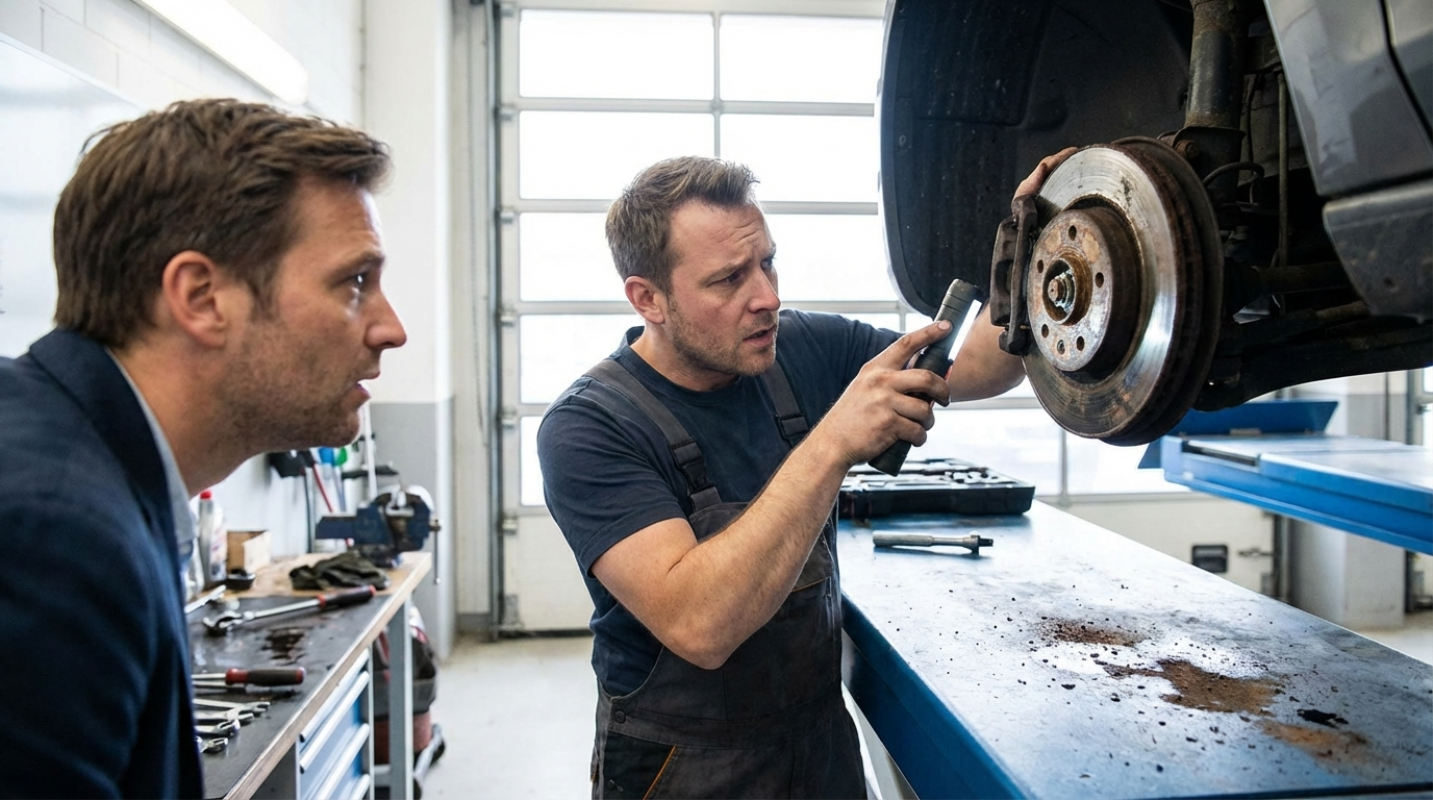
Brake maintenance is another area where deferral costs big money. Brake pads are designed to be sacrificial. When they wear down, they activate small metal indicators that create that high-pitched squealing sound. That sound is your notification that you need new pads, a relatively cheap repair.
If you ignore the squeal, the pads wear away completely, exposing the metal backing plates. Now, instead of pad material pressing against the rotor, you have metal grinding against metal. This destroys the rotors, which must then be replaced or resurfaced, and can damage the expensive calipers as well. Ignoring the initial warning turns a $200 job into a $800+ job.
Ignoring Minor Leaks
Small leaks—whether oil drips, coolant puddles, or even faint vacuum leaks—must be addressed quickly. A minor oil leak that’s ignored can eventually drop the oil level low enough to cause engine seizure. A tiny vacuum leak might seem irrelevant, but it throws off the air/fuel mixture, leading to poor performance, misfires, and eventually, expensive damage to spark plugs and sensors.
Mistake 4: Overlooking Filter Replacements
Filters are cheap. Replacing the systems they protect is not. Filters are the gatekeepers of air, fuel, and comfort in your vehicle, and letting them clog starves your car of what it needs to run efficiently.
The engine air filter is the easiest example. A dirty, clogged air filter restricts the airflow into the engine. The engine then struggles to breathe, reducing horsepower and, importantly, lowering your fuel efficiency. Replacing a $25 filter every 15,000 miles is far cheaper than the cumulative cost of wasted gasoline over that period.
Then there’s the forgotten cabin air filter. This filter cleans the air entering your HVAC system. When it clogs with dust, leaves, and debris, it forces your blower motor to work harder, eventually leading to its burnout. Replacing a blower motor is a significantly more complicated and expensive job than swapping out a cabin filter.
Finally, if you drive an older vehicle, neglecting the fuel filter can be disastrous. The fuel filter prevents contaminants from reaching the fuel injectors and the fuel pump. A clogged filter starves the pump, causing it to overheat and fail, leading to an expensive replacement of the pump and potentially the injectors.
Making Maintenance an Investment, Not an Expense
The pattern here is clear: expensive repairs are almost always the result of ignored warnings and deferred maintenance. You don’t pay $4,000 for a new transmission because you skipped one oil change; you pay it because you ignored the fluid, the strange shifting, and the gradual performance decline over years.
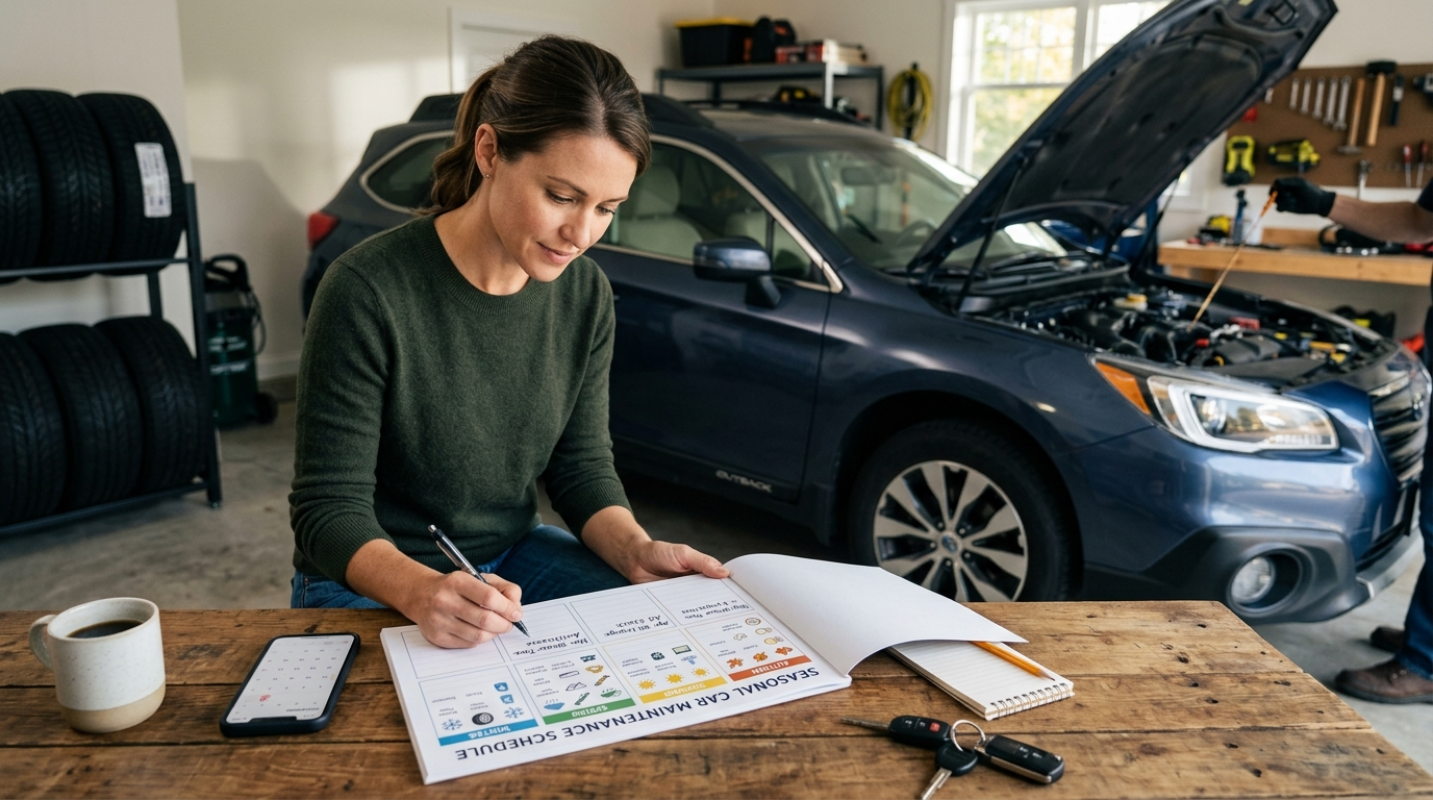
To save thousands in 2026, you need a simple, proactive schedule. Check your fluid levels monthly. Stick rigorously to the manufacturer’s schedule for oil changes and belt inspections. And if a light comes on or the car makes a noise it didn’t make yesterday, address it immediately.
Routine care protects your wallet from emergency repairs and, just as importantly, protects your vehicle’s resale value. A well-maintained car with service records is worth far more than a neglected one with a lit-up dashboard. Start viewing preventative maintenance not as a chore, but as the smartest financial decision you can make for your vehicle.
Articles on affordableautomotiveservice.com are for informational purposes only and do not provide professional or legal advice. Consult a licensed insurance expert before making decisions. We are not responsible for actions taken based on this content.
.png)