 (Image via
Mechanical systems are often perceived as impervious to atmospheric conditions, yet the physical reality of automotive operation is dictated by the laws of thermodynamics. Modern vehicles remain a complex assembly of temperature-sensitive fluids, chemical energy storage, and polymer components. Just as biological systems adapt to seasonal shifts, a vehicle experiences significant changes in operational efficiency and structural wear as it transitions from the thermal stress of summer to the cryogenic challenges of winter. Neglecting these environmental impacts leads to a predictable cycle of decreased performance, compromised safety, and premature component failure.
Thermal Degradation and the Battery Life Cycle
The lead-acid battery is the most vulnerable component during seasonal transitions, acting as a primary indicator of a vehicle's climate resilience. While winter is often blamed for battery failure, the foundational damage is typically sustained during the summer months.
- Summer: The Silent Catalyst: High ambient temperatures accelerate the internal chemical reactions within the battery. This lead to "electrolyte evaporation," where the liquid inside the battery case dissipates, leaving the internal plates exposed and prone to corrosion. In 2025, data indicates that batteries in warmer southern climates have an average lifespan of only 30 to 36 months, compared to 50 to 60 months in cooler northern regions.
- Winter: The Mechanical Stressor: Cold weather does not necessarily "kill" a healthy battery; rather, it exposes the damage done during the summer. At 32°F, a battery’s available cranking power drops by 35%, and at 0°F, it plummets by 60%. Simultaneously, the engine requires significantly more amperage to turn over because the oil has thickened, creating a "perfect storm" for a no-start condition.
- Preventative Protocol: Testing the battery voltage in the autumn—ensuring it holds at least 12.6V—is the most effective way to preempt a winter breakdown. Applying dielectric grease to terminals prevents the humid summer air from kickstarting the oxidation process.
Atmospheric Pressure and Tire Dynamics
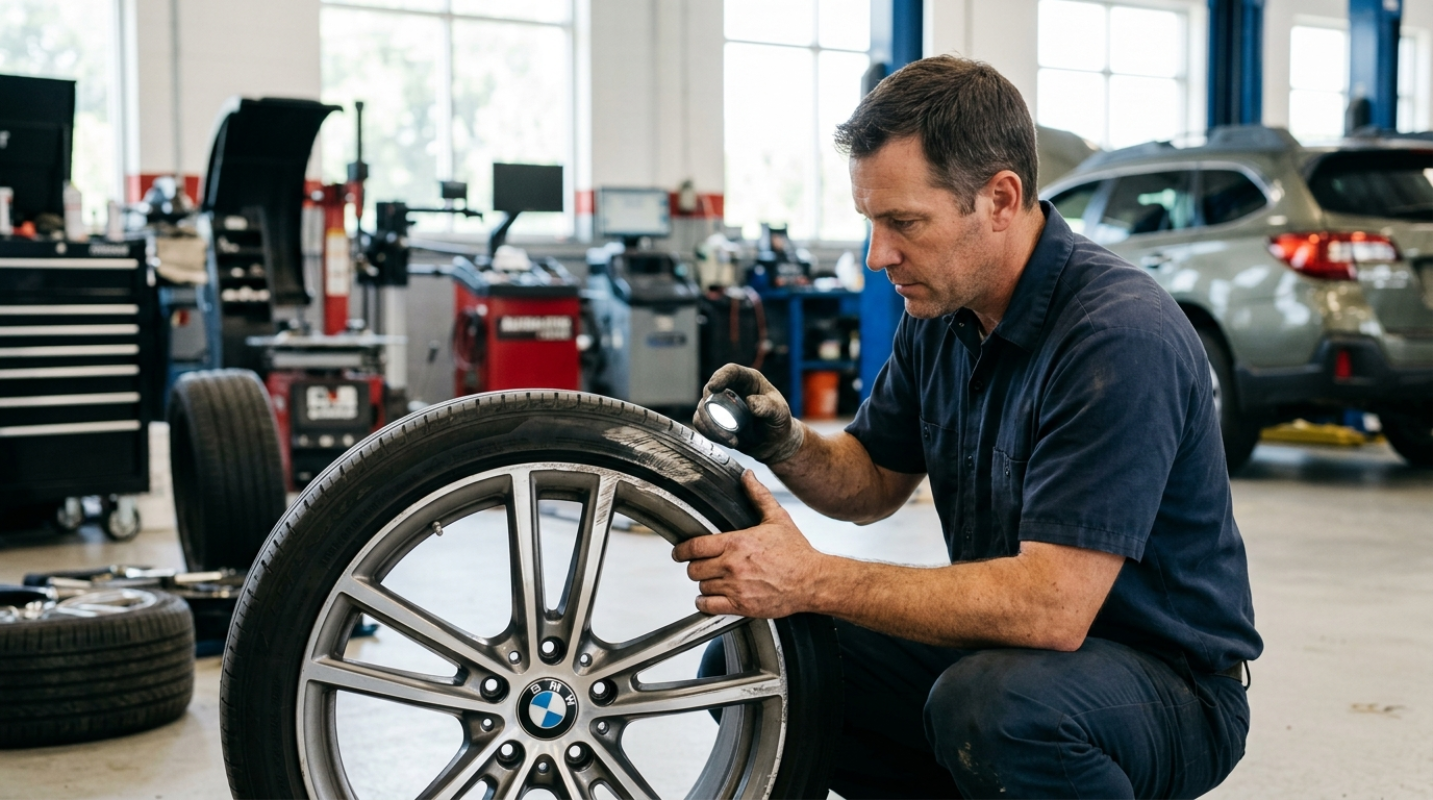
Tire maintenance is governed by the relationship between temperature and gas volume. For every 10-degree change in outside temperature, a tire’s internal pressure fluctuates by approximately 1 to 2 PSI (Pounds per Square Inch).
- Autumn Contraction: As the air cools in October and November, the air molecules inside the tire move slower and take up less space. This often triggers the TPMS (Tire Pressure Monitoring System) light on the dashboard. Driving on under-inflated tires increases "rolling resistance," which can reduce fuel economy by up to 3% and cause the tire edges to wear out prematurely.
- Summer Expansion: Conversely, extreme heat causes the air to expand. If a tire is filled to its maximum capacity on a cool spring morning, a hot afternoon on the asphalt can push the pressure into dangerous territory. Over-inflation reduces the "contact patch" with the road, leading to diminished traction and a harsher ride.
- Safety Implications: In 2025, checking tire pressure monthly is considered a critical safety ritual. Consistent pressure ensures that the vehicle handles as intended during emergency maneuvers and maximizes the lifespan of the rubber, which has become increasingly expensive due to global supply chain shifts.
Viscosity and Fluid Management
The "viscosity" of a fluid—its resistance to flow—is directly tied to its temperature. This characteristic defines how well a car's engine, transmission, and braking systems function across the four seasons.
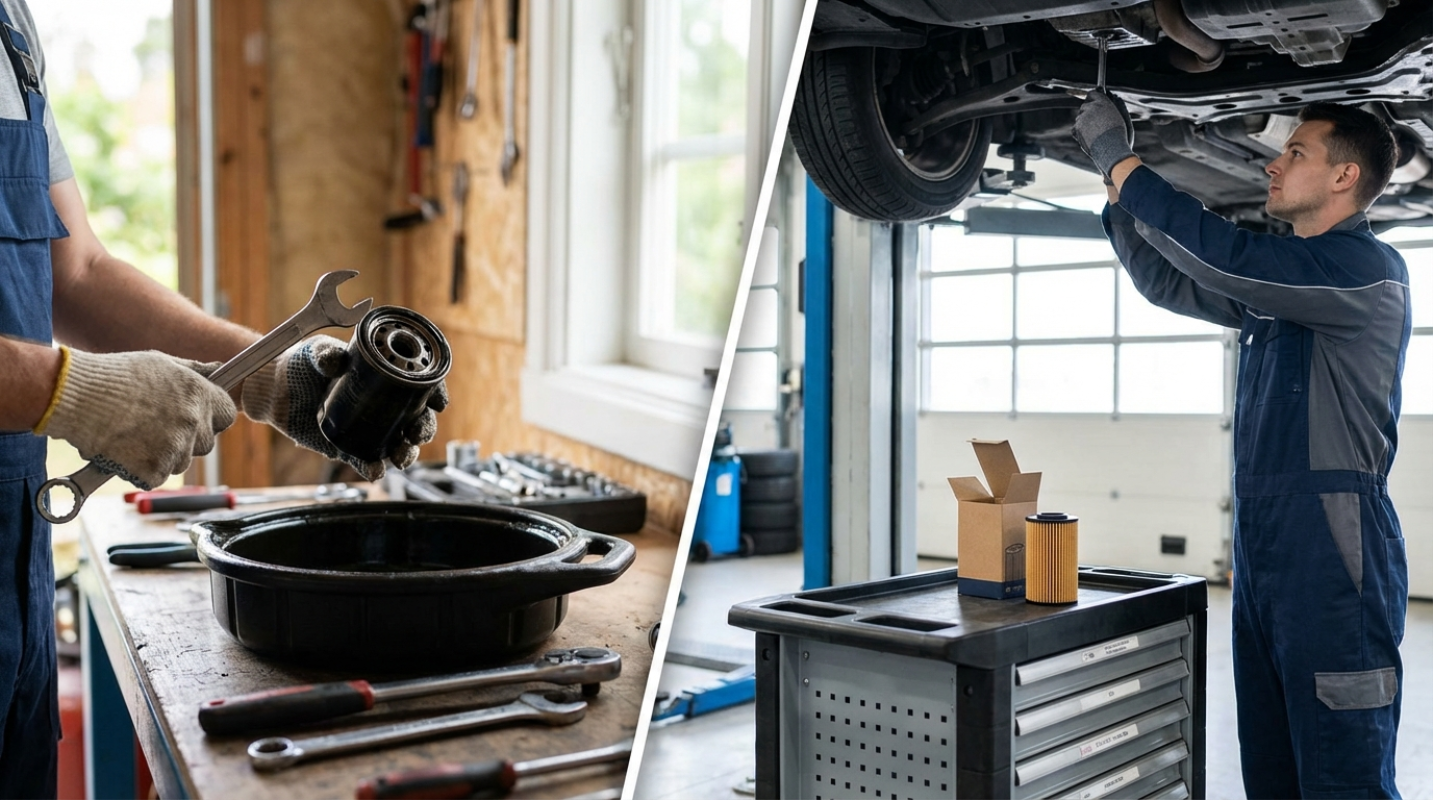
- Engine Oil Adaptation: In winter, standard oil becomes thick and sluggish, resembling syrup. This creates a delay in lubrication during a "cold start," which is when the majority of engine wear occurs. Many 2025 manufacturers recommend synthetic oils with a "0W" or "5W" rating (where 'W' stands for Winter) because they remain fluid at sub-zero temperatures.
- Coolant Versatility: Often referred to as "antifreeze," this fluid is equally important in the summer. It raises the boiling point of the water in the radiator, preventing the engine from vaporizing its coolant during high-stress idling in traffic. A 50/50 mix of coolant and distilled water is the 2025 industry standard for year-round protection.
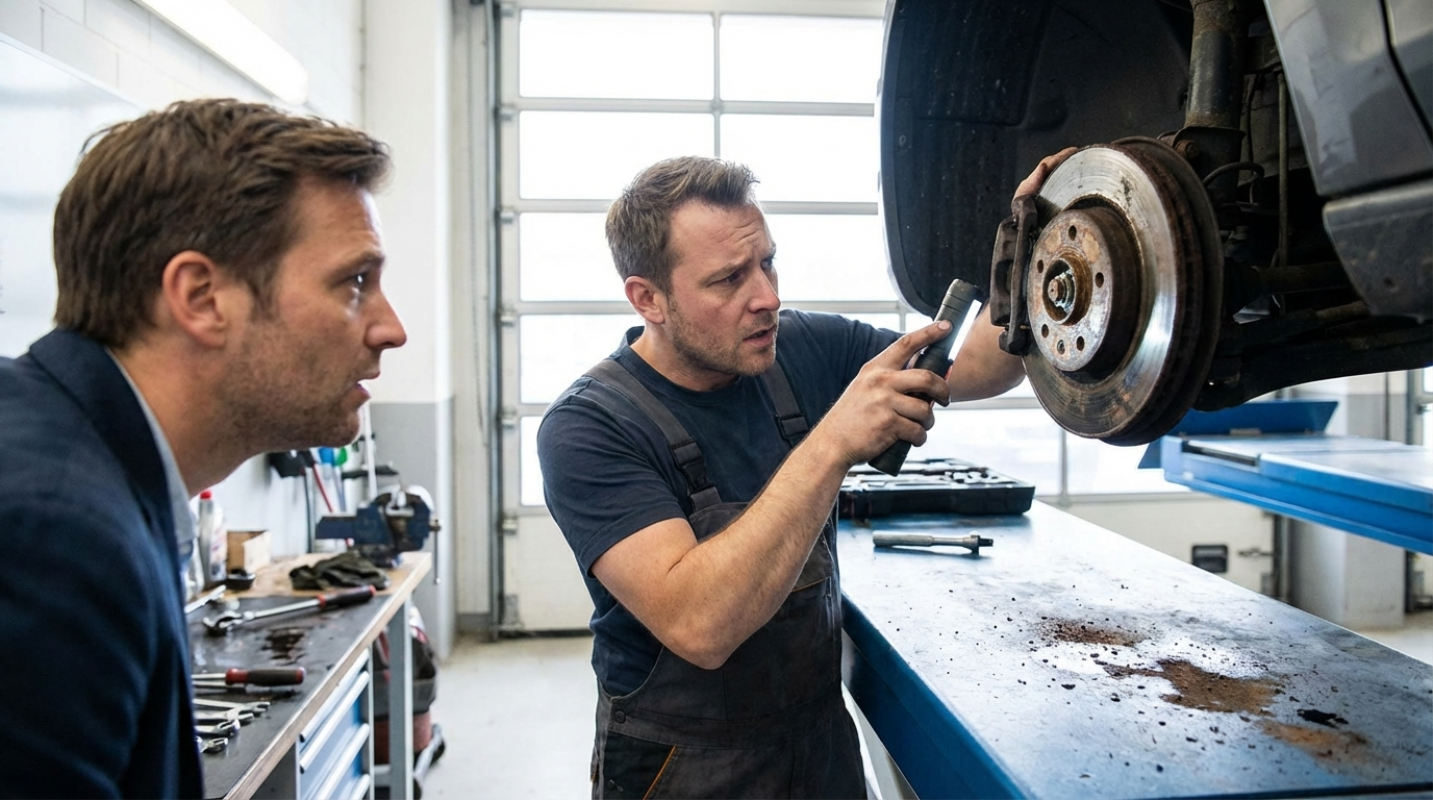
- Hydraulic System Risks: Brake fluid is "hygroscopic," meaning it absorbs moisture from the air. In humid summer months, water can enter the lines; in winter, that moisture can freeze or cause internal corrosion in the ABS (Anti-lock Braking System) valves. Flushing the brake fluid every two years is a vital seasonal safeguard.
Degradation of Polymers and Undercarriage Protection
The exterior and interior materials of a vehicle—rubber, plastic, and steel—face unique chemical attacks depending on the season.
- UV and Plastic Fatigue: Intense summer sunlight emits UV radiation that breaks down the molecular bonds in plastic dashboards and rubber door seals. Without protection, these materials become brittle and crack. Using a high-quality UV-protectant spray and a windshield sunshade can extend the "new" look of an interior by several years.
- The Winter Salt Crisis: To clear roads of ice, municipalities use road salt (sodium chloride) or liquid brine. While effective for traction, salt is highly corrosive to the steel undercarriage of a car. It accelerates rust on brake lines, exhaust systems, and suspension mounts.
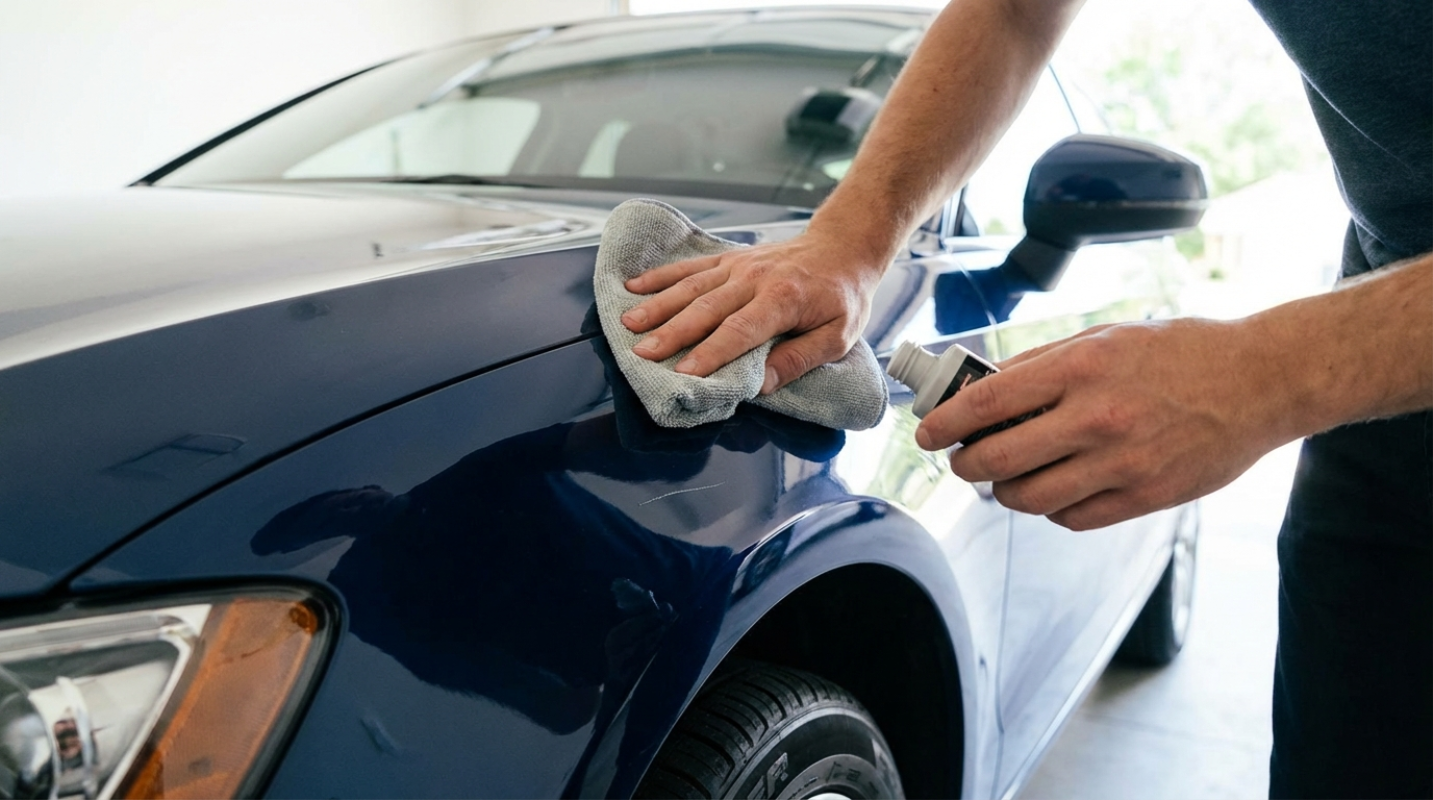
- Corrosion Mitigation: In 2025, applying a ceramic coating or a high-quality wax before winter creates a hydrophobic barrier that prevents salt from bonding to the paint. Frequent undercarriage rinses during the winter months are essential to "neutralize" the salt before it can eat through the vehicle's structural components.
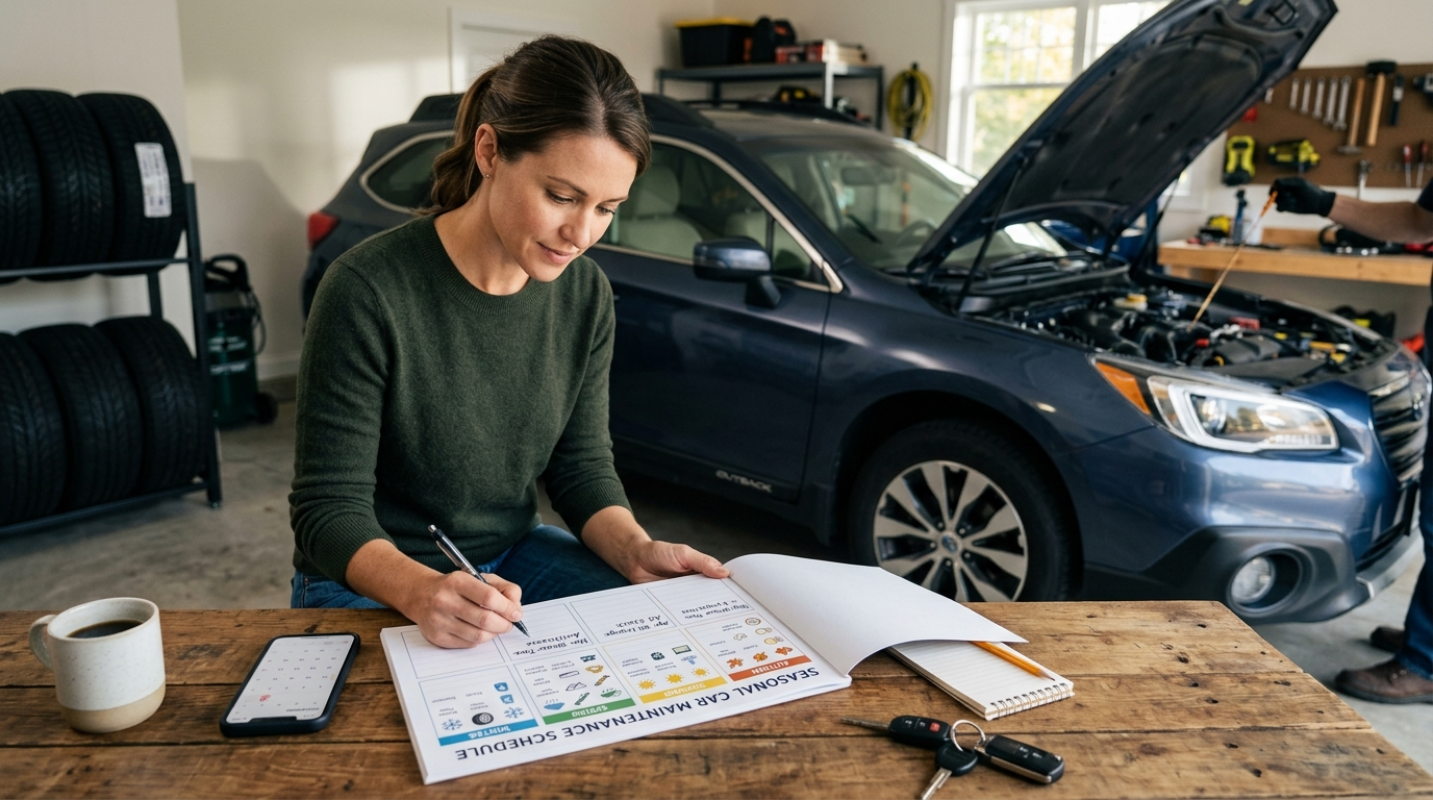
Seasonal Readiness Checklist for 2025
To ensure operational continuity throughout the year, follow this transition guide:
| System | Spring/Summer Focus | Fall/Winter Focus |
| Battery | Clean terminals; check for case swelling | Load test; use an insulation blanket in deep freeze |
| Tires | Monitor for over-inflation on hot days | Check pressure weekly; consider winter-grade rubber |
| Fluids | Inspect coolant levels and AC refrigerant | Switch to low-viscosity synthetic oil; winter washer fluid |
| Wipers | Replace after winter ice damage | Use "winter blades" designed to resist snow buildup |
| Exterior | Apply UV-protectant wax | Rinse undercarriage bi-weekly to remove road salt |
By viewing your vehicle as a living system that responds to its environment, you move from reactive repair to proactive preservation. Understanding these seasonal physics ensures that whether it is the peak of a July heatwave or the depths of a January blizzard, your car remains a reliable tool for your daily life.
Disclaimer: This guide is for educational purposes. Always consult your vehicle's owner's manual for specific fluid specifications and maintenance intervals tailored to your make and model.
.png)