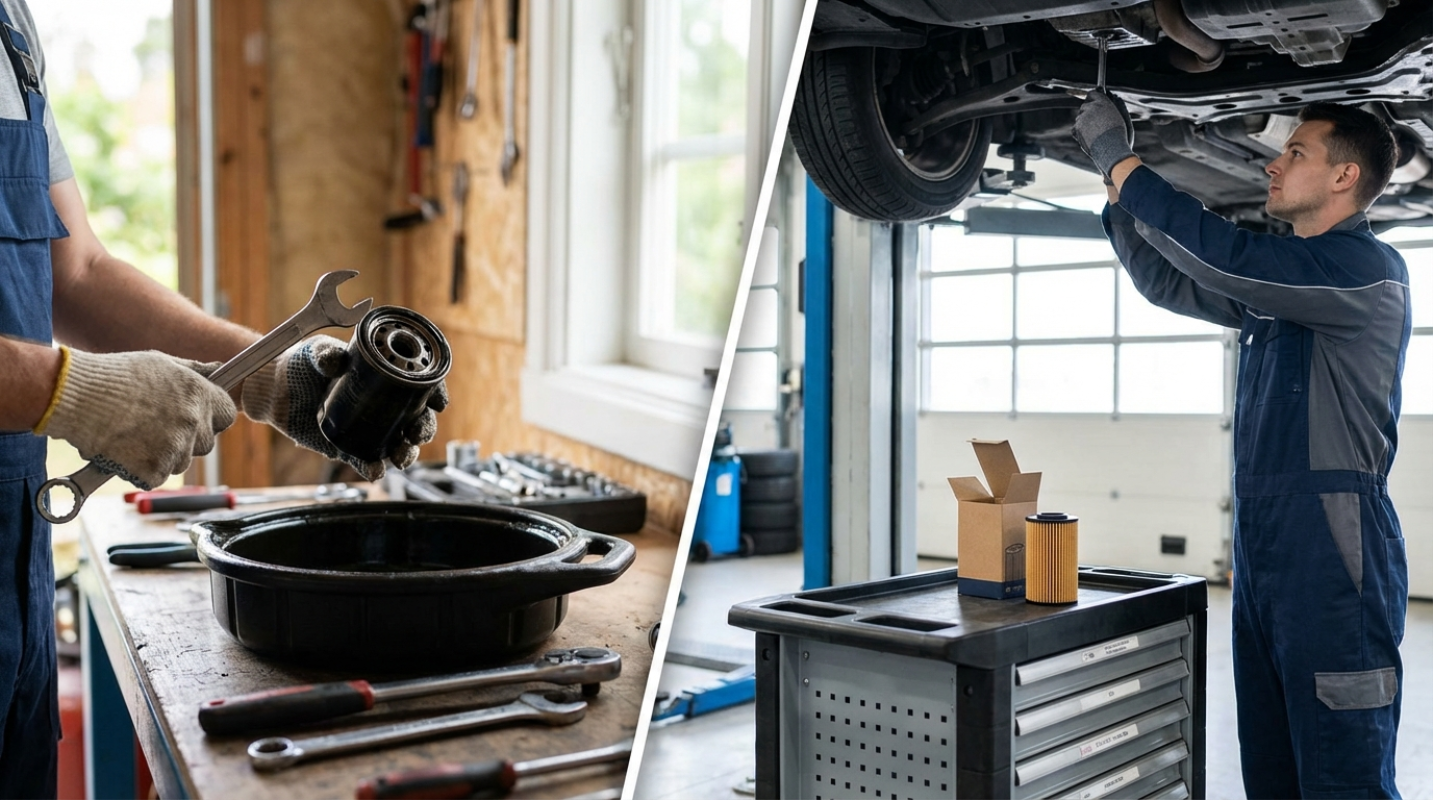
 (Image source: Google / Gemini)
 Have you ever sat in a mechanic’s waiting room, staring at a lukewarm cup of coffee, wondering if your car is officially a money pit? We've all been there. You hear a new clunk or see a fresh puddle on the driveway and your first thought isn't about the mechanics. It's about your bank account. The dilemma is simple but stressful. Do you patch up the part to save a few bucks today, or do you bite the bullet and buy a brand new replacement? In 2026, this decision is harder than it used to be.
Cars are more like rolling computers than mechanical beasts, and the "simple fix" is becoming a thing of the past. You need a logical way to decide without letting your emotions (or your wallet's panic) take the wheel.
The Math Behind the Decision
Let's talk numbers first. The average vehicle on the road today has hit a record age of 12.8 years. Because we're holding onto cars longer, repair costs have climbed about 15% year-over-year. To make a smart choice, you need to look past the sticker price of the part and look at the "Golden Rules" of 2026 maintenance.
The most famous guide is the 50% rule. It’s pretty straightforward. If a single repair estimate costs more than 50% of your car’s total market value, you should probably stop spending money on it. Like, if your car is worth $8,000 and the transmission needs a $4,500 rebuild, you’re at the tipping point.
You also have to consider the 12-month horizon. Take the total cost of all repairs you expect over the next year, including tires, brakes, and this current issue. If that total is higher than 12 months of new car payments, it’s financially smarter to move on. With average payments hitting $700 a month in 2026, that's an $8,400 annual ceiling.
Labor rates are the other big factor. Depending on where you live, you’re looking at $127 to $152 per hour just for the technician’s time. Sometimes the labor to "fix" a part takes four hours, while swapping it for a new one takes thirty minutes. In those cases, the new part actually saves you money.
When Repairing is the Smart Move
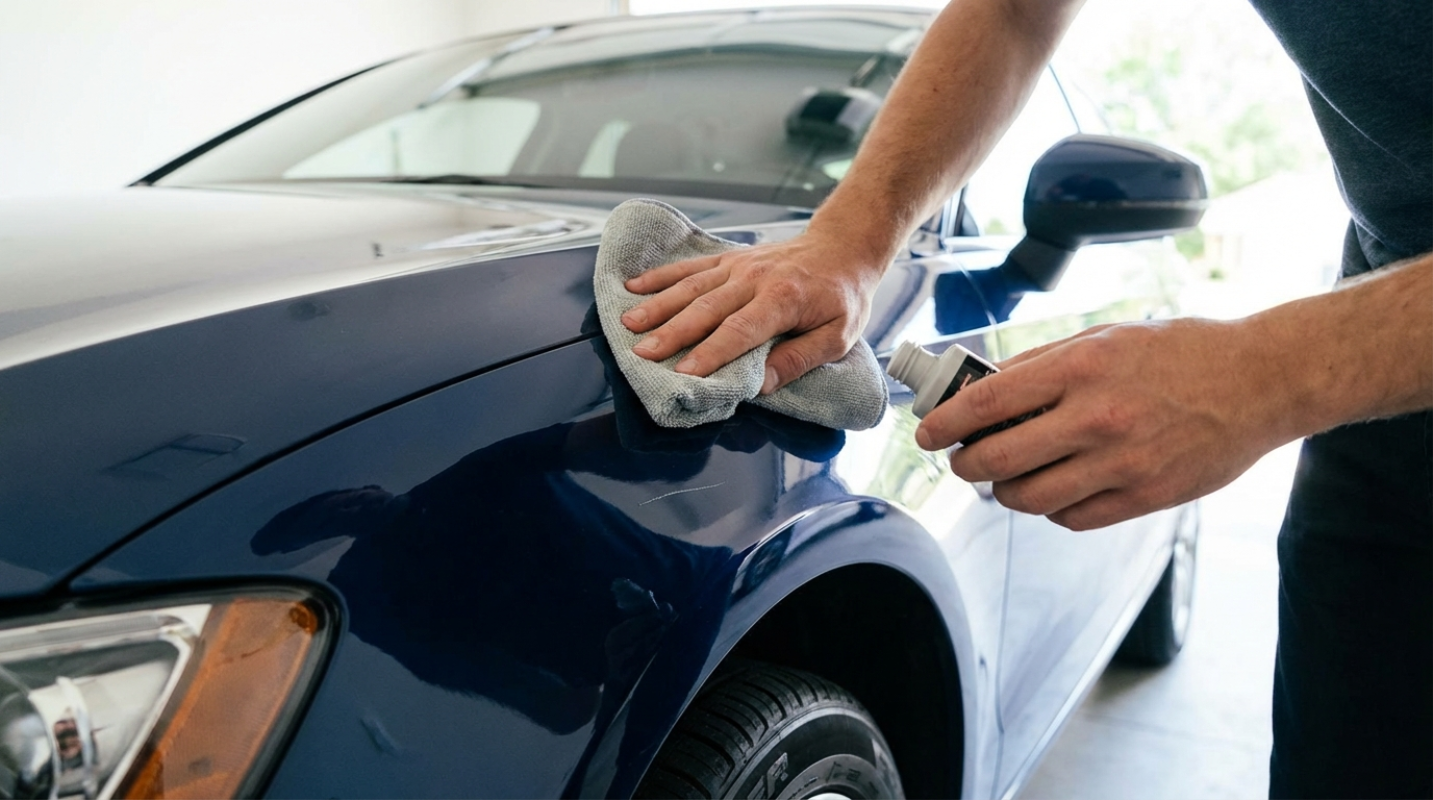
Repairing isn't always about being cheap. Sometimes, it’s the most logical path for your vehicle’s longevity. If the damage is purely aesthetic, like a small door ding or a scratched interior panel, a repair is almost always the way to go. These issues don't affect how the car drives or how safe it is.
You should also look into refurbishment for high-end components. Original Equipment Manufacturer (OEM) parts are built specifically for your VIN. If you have a high-quality alternator or starter that has a minor electrical fault, a specialized shop can often refurbish it. This keeps the original performance characteristics of your car intact without the massive cost of a brand new unit from the dealership.
For those of you driving electric vehicles, the repair space is changing fast. It used to be that a failing battery meant a $15,000 bill for a whole new pack. In 2026, module-level repair is the new standard. Instead of replacing the whole thing, specialized shops can swap out a single faulty cell block for somewhere between $2,000 and $5,000.⁷ This is a huge win for EV owners who want to keep their cars on the road longer.
Recognizing When Replacement is Non-Negotiable
There are times when the word "repair" shouldn't even be in your vocabulary. Safety is the line in the sand. If a part involves your brakes, steering, or structural integrity, you usually need to replace it.
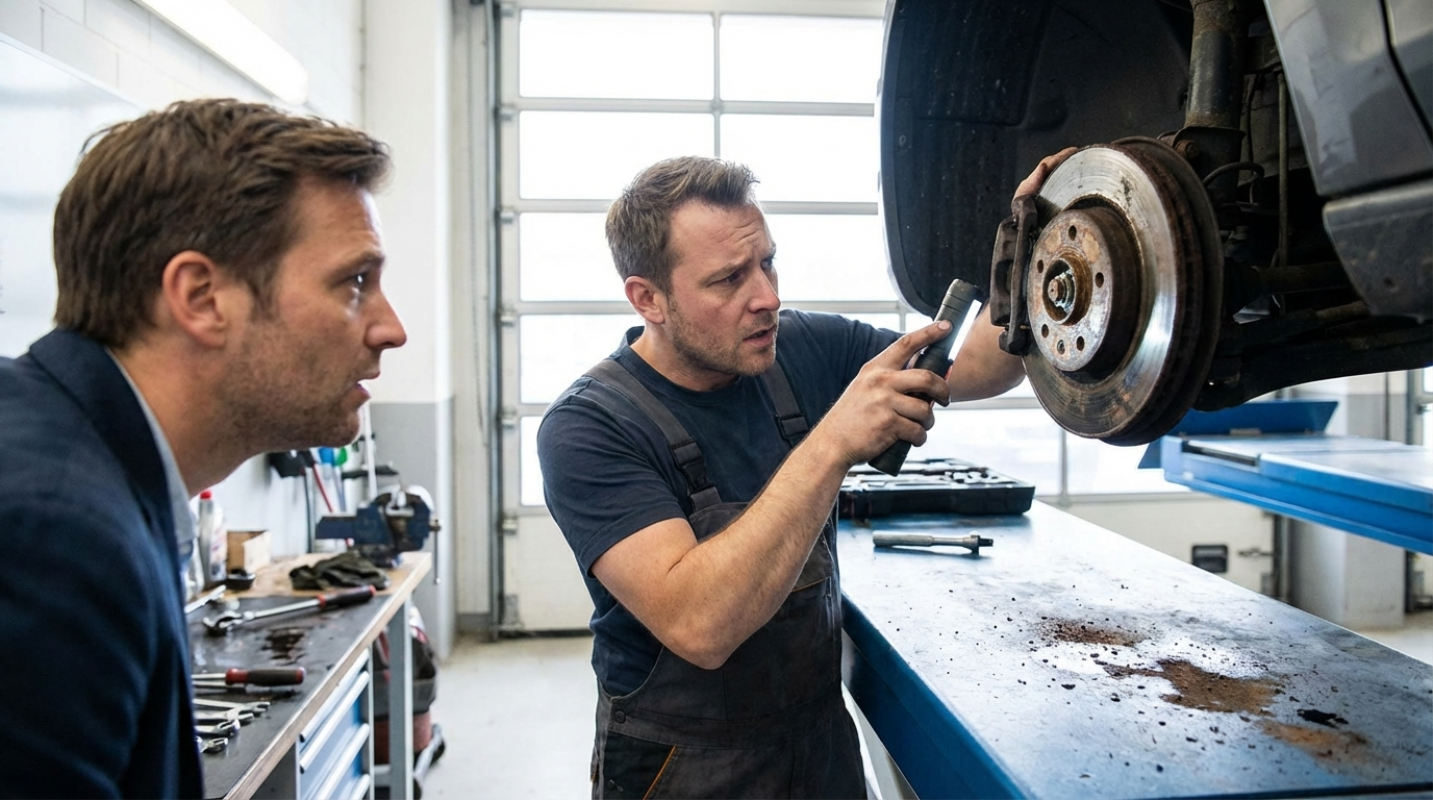
Modern brake rotors are a great example. In the old days, a mechanic would "turn" or resurface a warped rotor to make it smooth again. Today, rotors are designed to be as light and thin as possible to improve gas mileage. There’s often not enough metal left to shave down safely. If they're vibrating, just replace them.
Then there’s the "Tech Factor." This is where 2026 car ownership gets expensive. Most modern cars are loaded with Advanced Driver Assistance Systems (ADAS). These are the sensors in your bumper that beep when you get too close to a wall or the cameras behind your windshield that keep you in your lane.
If you get a dent in a bumper that houses these sensors, you can't just "pop it out" and call it a day. Up to 60% of all collision repairs now require ADAS calibration.⁴ A simple $500 bumper repair can balloon to $2,000 because the sensors must be perfectly realigned. If the sensor housing is cracked, the manufacturer guidelines usually mandate a full replacement to make sure the safety systems actually work when you need them.
The Long Game for Your Vehicle
So how do you decide when to fix the part and when to trade in the whole car? You have to look at the "cascade effect." This is when one old part failing puts extra stress on everything else. If you patch up a cooling system leak but the radiator is already 15 years old, you're just waiting for the next leak to happen.
Before you sign off on a major repair, ask your mechanic for a "tear down" estimate. New regulations in places like California now require shops to give you a cost for disassembly before they give you the final verdict.⁸ This prevents you from getting halfway into a repair only to find out the damage is much worse than they thought.
If you’re planning to keep the car for another five years, go with the replacement part. It usually comes with a better warranty and more peace of mind. If you’re just trying to make it through the next six months until you can afford a upgrade, a safe repair might be enough.
Deciding between a repair and a replacement isn't just about the money you spend today. It’s about the value of your time and your safety over the next few years. When in doubt, follow the 50% rule, prioritize your safety sensors, and always ask what else is likely to break in the next 10,000 miles. Making an informed choice now prevents a breakdown later. Here are some resources to help you handle your next service visit.
Sources:
1. giasr.com.au
https://www.giasr.com.au/genuine-parts-smash-repair-trends-2025-26/
2. caliber.com
https://www.caliber.com/insights/2025-timeline
3. recharged.com
https://recharged.com/articles/ev-repair-costs
4. solartechonline.com
https://solartechonline.com/blog/ev-battery-replacement-cost-guide-2025/
5. smartautotraining.com
https://www.smartautotraining.com/tear-down-automotive-repair-rules-2025/
*This article on affordableautomotiveservice.com is for informational and educational purposes only. Readers are encouraged to consult qualified professionals and verify details with official sources before making decisions. This content does not constitute professional advice.*

.png)