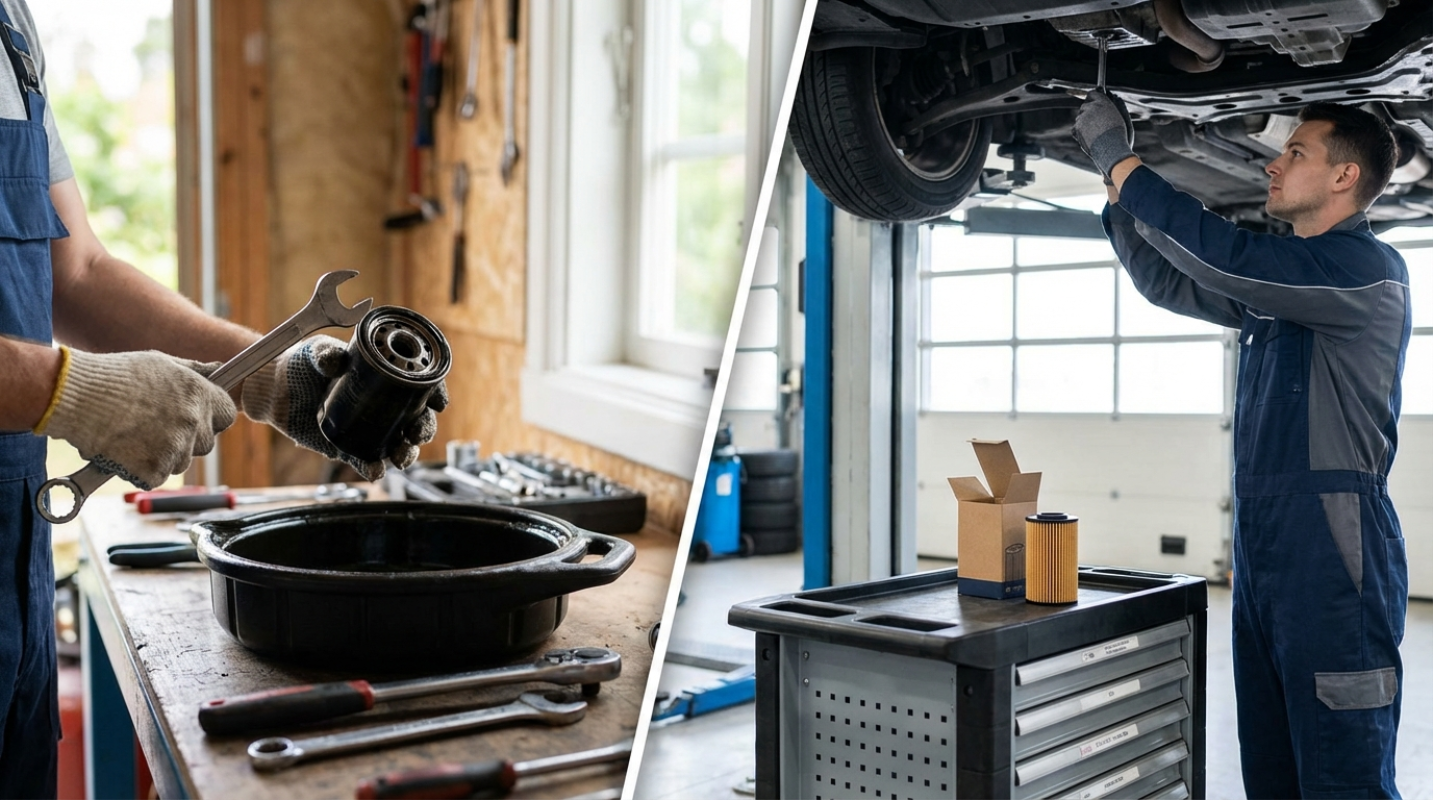
Mechanical systems communicate their operational status through a distinct vocabulary of vibrations and frequencies. While a modern vehicle in 2025 is engineered for acoustic refinement, the emergence of a new sound is rarely incidental; it is a primary indicator of component fatigue. Ignoring these early warnings often escalates minor adjustments into critical system failures. By categorizing and decoding these auditory cues, drivers can intervene during the "squeal" phase before reaching the "seizure" phase.
Braking System Vocalizations
The braking assembly is designed with intentional acoustic fail-safes. Understanding the progression of these sounds is essential for safety and cost management.
- High-Frequency Squealing: Most 2025 brake pads utilize a mechanical wear indicator—a small spring-steel tab. When the friction material reaches a thickness of approximately 3mm, this tab contacts the rotor to produce a piercing screech. In 2025, a standard brake pad replacement averages $150 to $350 per axle.
- Metallic Grinding: This low-pitched, rasping sound indicates "metal-on-metal" contact. At this stage, the friction material is gone, and the steel backing plate is machining the rotor. Driving in this condition increases stopping distances by up to 30%.
- Repair Escalation: While a simple pad swap is economical, adding rotors to the job typically increases the 2025 invoice to $300 or $600 per axle. If the grinding continues, it can weld the pad to the rotor or damage the caliper, potentially pushing costs toward $1,000.
Valvetrain and Internal Engine Rhythms
Sounds originating from the engine block vary by pitch and tempo, usually correlating directly with engine RPM.
- Upper-Block Ticking: A rapid "tap-tap-tap" often stems from the hydraulic lifters. This is frequently a symptom of low oil volume or inadequate oil pressure. In 2025, many vehicles utilize thin-viscosity oils (like 0W-20) that drain quickly; if the oil level is even one quart low, the top end of the engine loses its protective cushion.
- Low-End Knocking: A deeper, heavier thud from the bottom of the engine suggests "rod knock," a sign that the bearings connecting the pistons to the crankshaft are failing. This is a terminal sound that usually requires a complete engine rebuild or replacement.
- Ignition Pinging: Often described as "marbles in a tin can," this occurs during acceleration. It is caused by premature detonation of the air-fuel mixture. While often solved by switching to a higher-octane fuel, persistent pinging in 2025 engines may indicate a failing knock sensor or carbon-heavy cylinders.
Steering and Suspension Feedback
Noises that manifest specifically during directional changes or speed transitions point to the vehicle's handling hardware.
- Power Steering Whining: A high-pitched groan when turning the wheel typically indicates "cavitation"—air bubbles entering the power steering pump due to a leak or low fluid. In 2025, while many cars have switched to Electric Power Steering (EPS), millions of hydraulic systems remain on the road. A simple fluid top-off is a temporary fix, but the underlying leak must be sealed to prevent pump burnout.
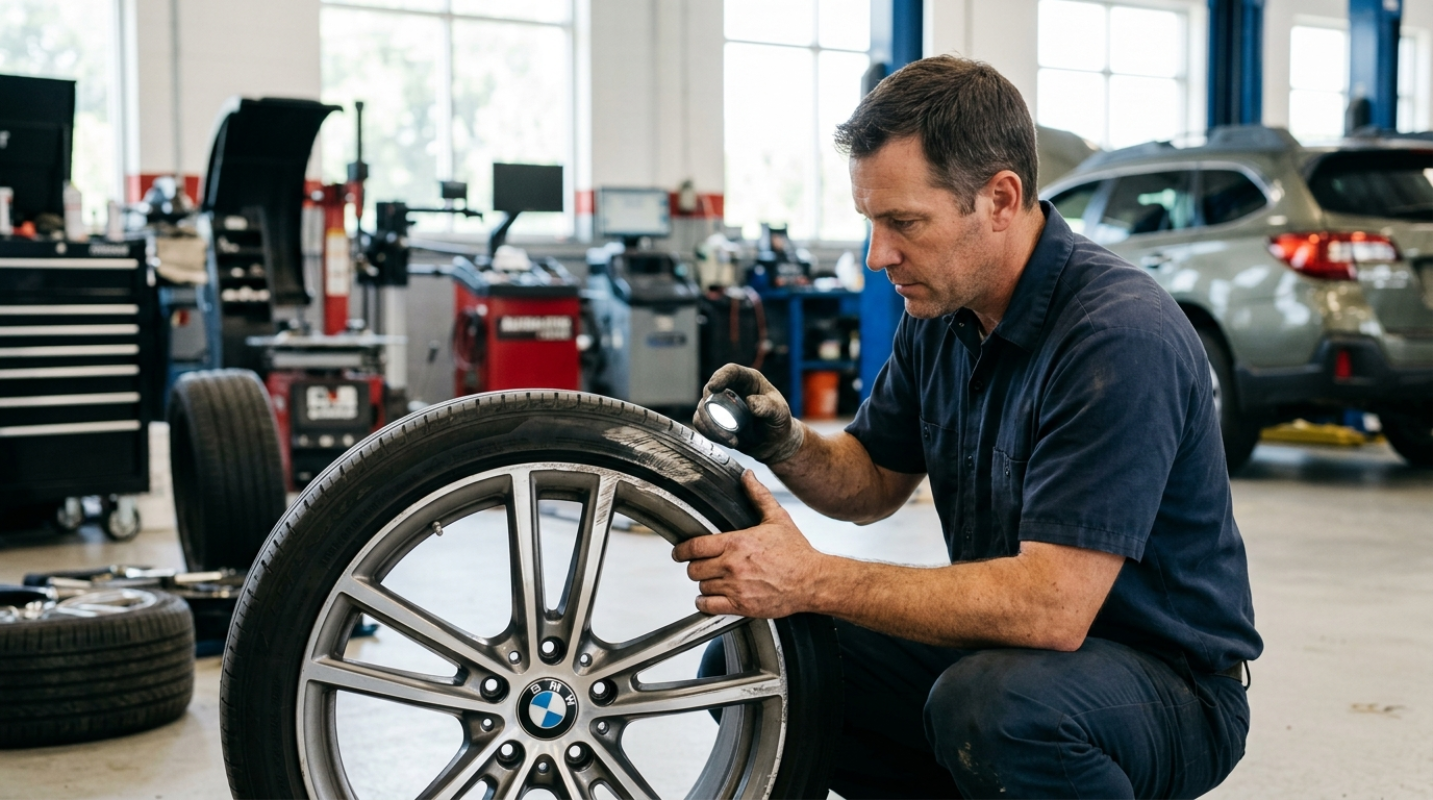
- Wheel Bearing Roar: This sound is often mistaken for tire noise. It is a constant, low-frequency hum that increases in volume with road speed. A reliable diagnostic test is to safely weave the car; if the sound changes pitch as the vehicle's weight shifts from left to right, a wheel bearing is the culprit.
- Replacement Costs in 2025: The average cost to replace a wheel hub and bearing assembly currently sits between $350 and $650 per wheel, including labor and the necessary post-repair alignment.
Immediate Diagnostic Protocol
If a new sound emerges, use this systematic approach before visiting a technician:
- Isolate the Trigger: Does the sound happen only when the car is moving (wheels/tires), only when the engine is running (belts/internals), or only when the brakes are applied?
- Check the Fluids: Verify levels for engine oil, coolant, and power steering fluid immediately. A "whine" or "tick" is often a $20 fix if caught at the reservoir.
- Identify the Tempo: Does the sound get faster with the engine speed (RPM) or with the vehicle speed (MPH)? This distinguishes between engine issues and drivetrain issues.
- Tactile Monitoring: Do you feel a vibration in the steering wheel or brake pedal that matches the rhythm of the sound?
By treating your car’s noises as data rather than nuisances, you maintain the mechanical integrity of your vehicle while avoiding the premium costs of emergency repairs.
Disclaimer: This guide is for informational purposes only. Unusual vehicle noises can indicate serious safety hazards. If you experience a sudden change in braking or steering behavior, pull over safely and contact a certified mechanic.
.png)