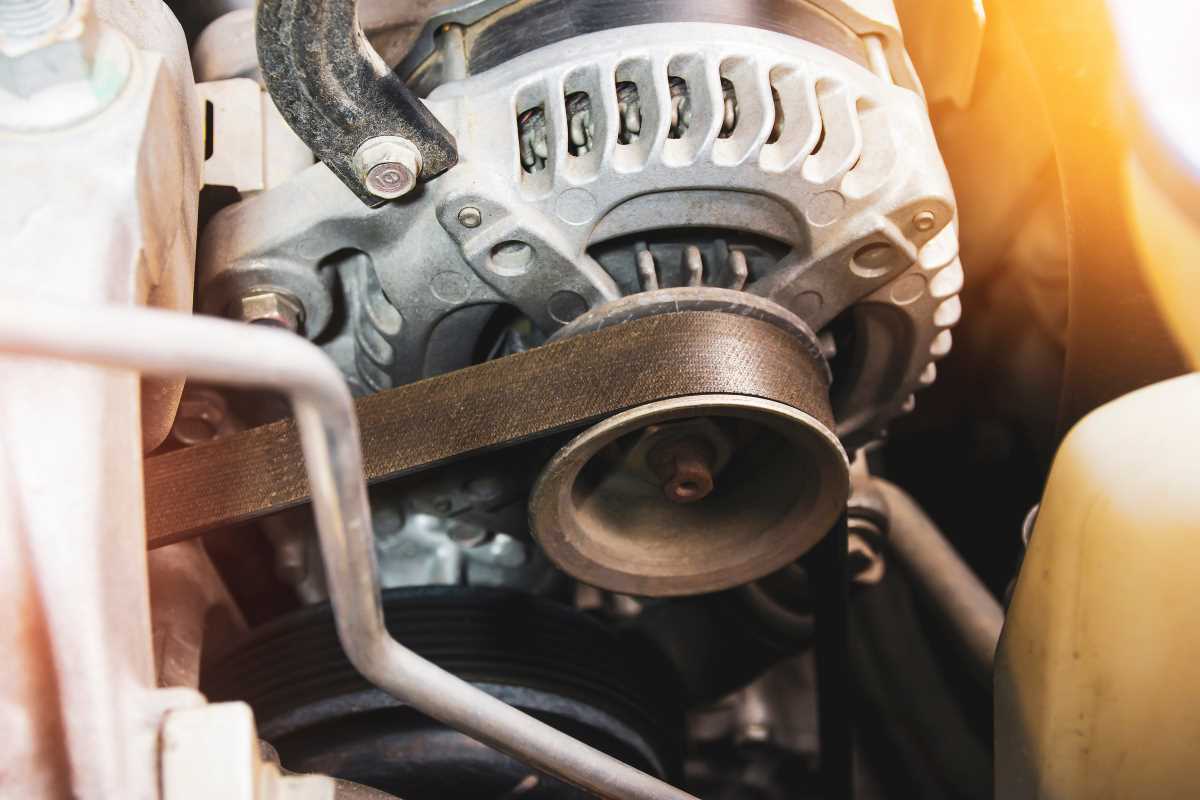
Your car's battery gets all the credit for starting the engine, but it is actually part of a team. The real MVP of your car's electrical system is the alternator. Think of the battery as a sprinter that gives a powerful, short burst of energy to get things moving. The alternator, on the other hand, is the marathon runner. Once the engine is running, the alternator takes over, generating a continuous supply of electricity to power everything from your headlights and radio to your phone charger and air conditioning. It also recharges the battery, getting it ready for the next time you need to start the car. When the alternator starts to fail, it is like the main power plant for a city going dark. It can’t keep up with the electrical demand, and that’s when things start to get weird. Recognizing the early warning signs of a dying alternator can save you from the stress and danger of your car suddenly losing all power on the road.
1) The Dashboard Warning Light
One of the most straightforward clues your car can give you is a dashboard warning light. Most cars have a specific light that looks like a small battery, though some might use the letters "ALT" or "GEN." It’s easy to assume this light means you have a battery problem, but it’s actually a warning for the entire charging system. This light illuminates when your car's computer detects that the alternator's output is too high or too low. It doesn't mean your alternator has completely failed yet, but it’s telling you that it is not working correctly. The light might flicker on and off at first, or only come on when you are using a lot of electrical accessories at once. Do not ignore this little red light. It is your car's way of politely saying, "Hey, you should probably get this checked out before I leave you stranded."
2) The Incredible Dimming Lights
Have you ever noticed your headlights seem to get dimmer when you are idling at a stoplight and then brighten up when you start driving again? Or maybe your interior dome light and dashboard lights pulse or flicker faintly. This is a classic symptom of a struggling alternator. When the alternator is weak, it can’t produce a consistent stream of electricity, especially at low engine speeds. The electrical system has to pull power from the battery to make up the difference, causing the lights to dim. As you accelerate, the alternator spins faster and produces more power, causing the lights to brighten back up. This electrical rollercoaster is a clear sign that the alternator is on its last legs and can't keep up with the car's demands.
3) Strange Sounds from Under the Hood
Your ears can often detect an alternator problem before any other symptoms appear. The alternator is driven by a belt connected to the engine, and when its internal parts start to fail, it can make some very unhappy noises. You might hear a whining or grinding sound coming from the front of the engine that gets louder as you accelerate. This noise is often caused by worn-out bearings inside the alternator that are struggling to spin smoothly. Another sound to listen for is a squealing noise, which could indicate that the belt driving the alternator is loose or worn. A loose belt can't spin the alternator's pulley effectively, which means it can't generate enough power. If you hear any new and unusual sounds from under the hood, it is worth investigating before a minor noise turns into a major failure.
4) Unexplained Electrical Gremlins
A failing alternator can make your car act like it’s possessed. Because it supplies power to all the electronic modules in your vehicle, a weak or inconsistent electrical supply can cause all sorts of bizarre behavior. Your power windows might roll up and down slower than usual, your radio might suddenly shut off or act erratically, or your speedometer might stop working for a moment. These seemingly random issues are often called "electrical gremlins," and they are frequently traced back to a faulty alternator that isn't providing the stable voltage that modern car electronics need to function properly. If your car starts acting strangely in multiple, unrelated ways, a weak alternator is a prime suspect.
5) A Dead Battery Isn't Always the Battery's Fault
The most definitive sign of a failed alternator is a dead battery. If your car won't start and you need a jump-start to get going, it is natural to blame the battery. However, if you get the car started and it dies again a short while later, the real culprit is almost certainly the alternator. A healthy alternator constantly recharges the battery as you drive. If the alternator is dead, the car runs solely off the battery's power until it is completely drained, at which point the engine will shut off. An easy way to test this is to jump-start the car and then carefully disconnect the positive terminal of the battery while the engine is running. If the engine dies immediately, it means the alternator wasn't producing any electricity to keep it going.
Articles on affordableautomotiveservices.com are for informational purposes only and do not provide professional or legal advice. Consult an expert before making decisions. We are not responsible for actions taken based on this content.



.png)