Walking down the aisle of your local auto parts store can feel a lot like wandering through a pharmacy designed for cars. Shelves feature vibrant bottles with aggressive labeling promising significant increases in horsepower, enhanced fuel economy, and mechanical restoration. These products present a tempting alternative to expensive technician labor, especially when a vehicle feels sluggish. However, distinguishing between chemical science and strategic marketing is necessary to avoid unnecessary expenditures. Determining the utility of these fluids requires a deep dive into engine combustion and the molecular composition of modern gasoline.
Chemical Composition of Performance Liquids
Fuel additives are concentrated chemical compounds formulated to alter the properties of gasoline or diesel. They function similarly to vitamins, addressing specific deficiencies that may exist within the fuel system or the combustion chamber. While the base fuel at the pump is a complex hydrocarbon mixture, it remains imperfect.
- Solvent Packages: Most cleaners utilize high-strength solvents designed to break the molecular bonds of carbon.
- Octane Modifiers: These chemicals increase the temperature at which fuel ignites, preventing premature detonation in high-compression environments.
- Emulsifiers and Stabilizers: These compounds manage the physical state of the fuel, either by binding with water molecules or preventing the oxidation of the fuel during long-term storage.
- Friction Reducers: Some upper-cylinder lubricants aim to coat the piston rings to reduce heat and wear, though their impact on modern metallurgy is often debated among engineers.
Carbon Decontamination Mechanics
The most effective category of additive is the internal system cleaner. Combustion is an inherently "dirty" process that produces carbon deposits—hard, soot-like accumulations that attach to intake valves and fuel injector nozzles.
- Injector Precision: Modern fuel injectors feature nozzles smaller than a human hair. Even microscopic carbon buildup can disrupt the spray pattern, leading to "lean" conditions where the engine receives too much air and not enough fuel.
- Polyetheramine (PEA): When selecting a cleaner, look for PEA on the safety data sheet. This is the only detergent stable enough to survive the 4,500°F temperatures of a combustion stroke to effectively scrub the cylinder heads.
- Intake Valve "Gunking": In older port-injection engines, fuel washes over the intake valves. If these valves become coated in carbon, they act like a sponge, soaking up fuel and causing the engine to stumble during acceleration.
- The "Italian Tune-up" Alternative: While chemicals help, sometimes simply driving the car at highway speeds for an extended period generates enough heat to naturally burn off light carbon deposits.
Octane Ratings and Power Fallacies
Marketing often suggests that "Octane Boosters" provide an immediate surge in speed. This is a fundamental misunderstanding of how octane works. Octane is not a measure of energy content; it is a measure of stability.
- Compression Thresholds: High-performance engines use turbochargers to squeeze air and fuel into a small space. This creates heat. High-octane fuel prevents the mixture from exploding too early.
- The Economy Car Reality: If a vehicle is designed for 87-octane fuel, adding an 104-octane booster provides 0% additional power. The engine lacks the compression ratio necessary to utilize the higher stability.
- Knock Sensor Management: Modern cars use sensors to detect "pinging." If you use low-quality gas and the car pulls back its timing to protect the engine, an additive may restore lost power, but it will not exceed the factory horsepower rating.
- Cost-to-Benefit Ratio: In 2026, a bottle of booster costs roughly $12 to $15. In most regions, the price gap between Regular and Premium fuel is less than the cost of a single bottle, making the additive a mathematically poor investment at the pump.
Moisture Management and Ethanol Issues
Most gasoline in North America contains 10% to 15% ethanol. While ethanol increases octane, it is hygroscopic, meaning it actively pulls moisture out of the atmosphere and into your fuel tank.
- Phase Separation: If enough water enters the tank, the ethanol and water will bond and sink to the bottom. The engine cannot run on this sludge.
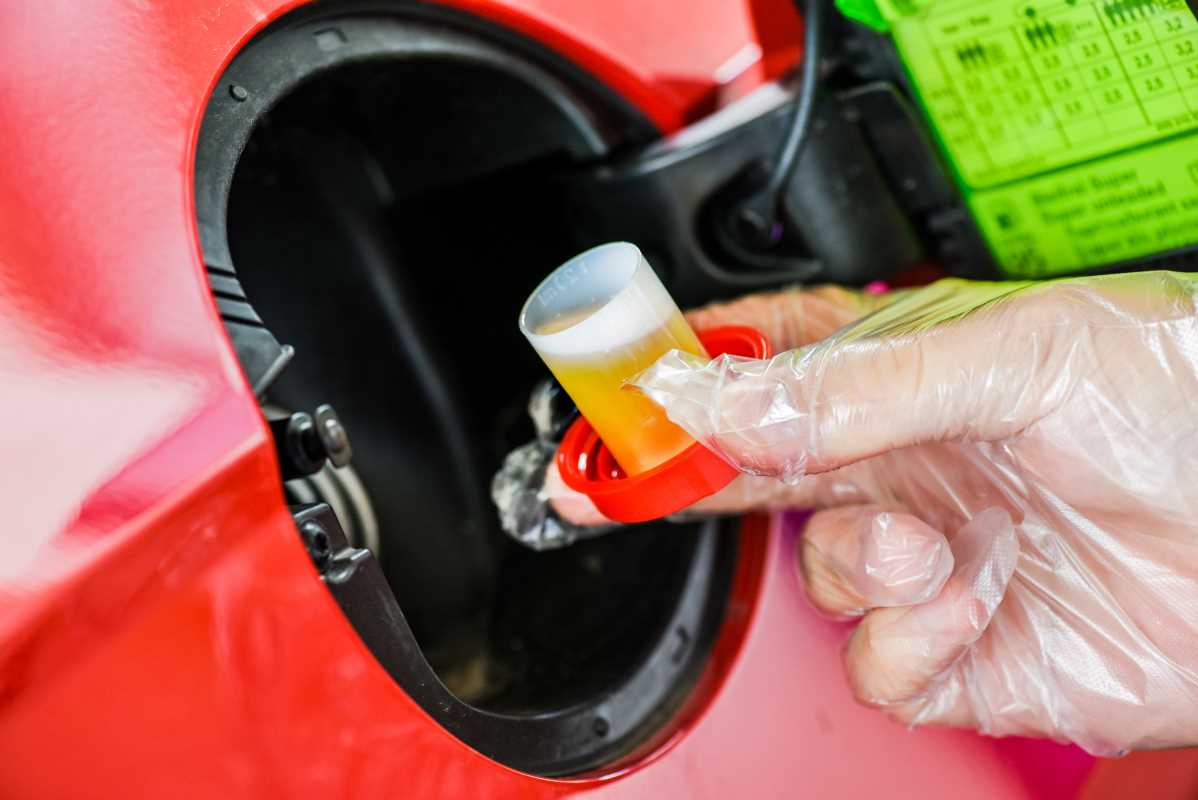
- Iso-Heet and Emulsification: Additives like HEET use isopropyl alcohol to bond with the water, allowing it to move through the fuel filter and be vaporized during combustion without stalling the engine.
- Oxidation Prevention: When gasoline sits for more than 30 days, it begins to "varnish." This sticky residue can permanently ruin a fuel pump. Products like STA-BIL utilize antioxidants to keep the fuel chemistry stable for up to 24 months.
- Off-Season Protection: For motorcycles, lawn equipment, or classic cars stored during winter, stabilizers are a mandatory preventative measure to avoid thousand-dollar carburetor or fuel rail cleanings in the spring.
Top Tier Standards and Necessity
The primary reason most drivers do not need additives is the "Top Tier" gasoline standard. This is a voluntary program by automakers (including BMW, GM, Honda, and Toyota) that requires gas stations to use high concentrations of detergents.
- Detergent Volume: Top Tier fuel contains up to five times the amount of cleaning agents required by government minimums.
- Brand Reliability: Filling up at stations like Shell, Chevron, or Mobil ensures the engine is being "cleaned" with every gallon of fuel consumed.
- The High-Mileage Exception: If a vehicle has exceeded 100,000 miles and has a history of using "no-name" discount fuel, a single treatment of Chevron Techron Concentrate Plus can serve as a valuable corrective measure.
- Diagnostic Limitations: While a bottle of cleaner can fix a "clog," it cannot fix a "break." If a fuel injector has a mechanical failure or an electrical short, no amount of chemical solvent will restore its function.
Financial Statistics of Performance Fluids
Data from consumer reports suggests that Americans spend over $500 million annually on fuel additives.
- Consumer Demographics: Studies indicate that younger drivers (ages 18-25) are 30% more likely to purchase "performance-enhancing" additives based on social media marketing than drivers over the age of 50.
- Racial and Economic Trends: Market research has shown that "budget" additive brands often see 15% higher sales in lower-income zip codes, where owners are searching for inexpensive ways to keep aging vehicles on the road.
- Effectiveness Rating: Independent lab testing shows that 70% of "all-in-one" fuel treatments provide no measurable change in MPG or horsepower in vehicles manufactured after 2018.
By maintaining a consistent diet of high-quality fuel, the average driver bypasses the need for the "pharmacy in a bottle." Reserve additives for specific troubleshooting or long-term storage scenarios to ensure your maintenance budget is spent on tangible repairs rather than optimistic chemistry.
Disclaimer: This information is provided for educational purposes. Fuel systems are sensitive to chemical changes; always consult your vehicle's owner's manual for specific prohibitions regarding additives, as some can damage catalytic converters or oxygen sensors.


.png)