Exterior aesthetics dictate a vehicle's market value and your own reputation on the road. When pulling into a driveway, the paint is the first detail observers notice. Vibrant colors suggest a well-kept machine, whereas a chalky, oxidized surface makes even a modern vehicle look ancient. Sunlight acts as a bleach, breaking down chemical bonds in the color coat until the finish turns brittle. These steps stop the oxidation process and keep the surface reflective through consistent maintenance and physical barriers.
Bi-Weekly Decontamination Rituals
Maintaining a clean surface is the foundation of any preservation plan. Dirt, dust, and environmental fallout do not just sit on the surface; they bond to the clear coat.
- Acidic Contaminant Removal: Bird droppings and tree sap become highly acidic when heated. On a summer day, the sun bakes these substances into the clear coat, causing "etching" that no amount of washing can fix.
- The Two-Bucket System: Use one bucket for soapy water and a second bucket of plain water to rinse your mitt. This prevents rubbing grit back onto the paint, which creates swirl marks.
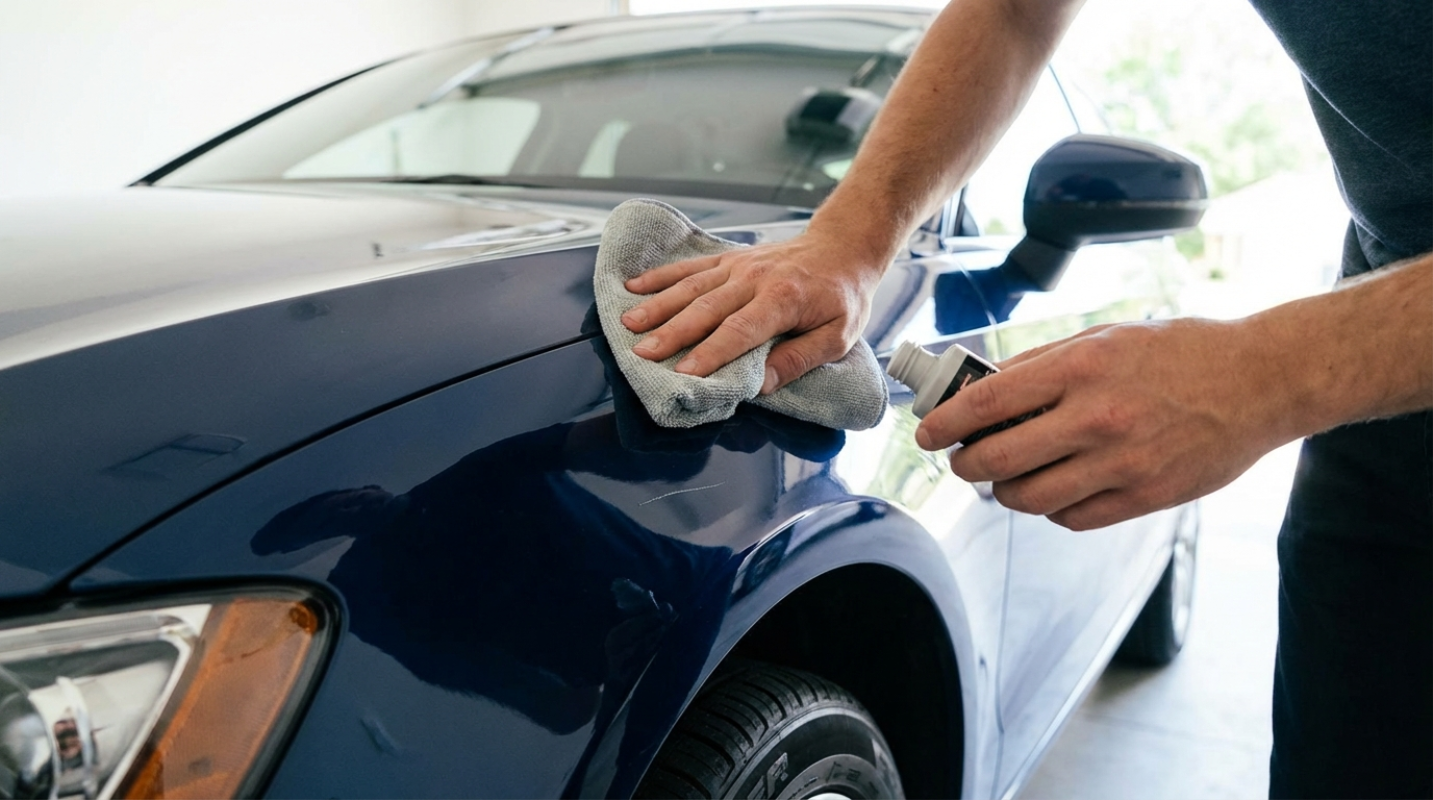
- pH-Balanced Solutions: Avoid dish detergents at all costs. Kitchen soaps are degreasers designed to strip oils, which is exactly what you want to keep on your paint. Use a product like Meguiar’s Gold Class Car Wash to lift grime without removing existing protection.
- Cool Surface Cleaning: Always wash the metal when it is cool to the touch. Cleaning a hot car causes water to evaporate instantly, leaving behind mineral deposits. These "water spots" are essentially tiny rocks that harden on your finish.
- Drying Technique: Air drying is the enemy. Use a large The Rag Company Gauntlet Drying Towel to soak up moisture. This prevents the minerals in your tap water from spotting the finish.
Sacrificial Barriers and UV Blockers
Think of car wax as a transparent shield. It fills in microscopic gaps in the paint, creating a smooth surface that reflects light rather than absorbing heat.
- Polymer Sealants: While traditional wax looks good, synthetic sealants like Jescar Power Lock Plus provide a more durable bond. These polymers are engineered to withstand higher temperatures, meaning they won't melt off your hood during a heatwave.
- Liquid Sunscreen: Modern protectants contain blockers that intercept ultraviolet radiation. Without this layer, the sun’s rays penetrate the clear coat and reach the pigment, leading to the dreaded "clear coat failure" where the paint begins to peel like a sunburn.
- The Bead Test: Check your progress by splashing water on the hood. If the water pools in flat, lazy sheets, your protection is gone. If it forms tight, tall beads that roll off immediately, the barrier is active.
- Quarterly Reapplication: Aim to apply a fresh layer every three months. If you live in a high-heat environment, moving to a two-month schedule helps prevent the finish from thinning over time.
Strategic Parking Habits
The best way to prevent damage is to avoid the source of the heat entirely. This requires a change in daily behavior and a bit of foresight when choosing a spot.
- Shadow Scouting: Surface temperatures on dark paint can exceed 150°F in direct sunlight. Parking in the shadow of a tall building prevents the clear coat from "cooking."
- Garage Priority: If you have a garage, use it for the car rather than storage. Keeping a vehicle in a climate-controlled environment doubles the life of the rubber seals and the paint.
- Tree Hazards: While trees offer shade, they also drop sap and provide perches for birds. If you must park under one, check the car daily for debris.
- Portable Shading: For those with no access to a garage, a custom-fit cover like those from Covercraft is a necessity. Look for "multi-layer" covers that are breathable; this allows moisture to escape while blocking 100% of UV rays.
- Surface Preparation: Never put a cover on a dusty car. The cover will trap the dust against the paint, and as the wind moves the fabric, it acts like sandpaper against the finish.
Ceramic Coating Technology
For those who want to move beyond basic wax, ceramic coatings offer a semi-permanent solution. These are liquid polymers that chemically bond to the factory paint.
- Hydrophobic Properties: Products like CarPro Cquartz UK 3.0 create a surface so slick that dirt and water struggle to stick. This makes your bi-weekly wash much faster and more effective.
- Hardness Rating: Ceramic coatings are measured on a hardness scale. They provide a thin, glass-like layer that is much harder than the clear coat itself, offering a small amount of resistance against light scratches.
- Self-Cleaning Effects: Because the surface is so smooth at a molecular level, rain often washes away light dust, keeping the car looking better between deep cleans.
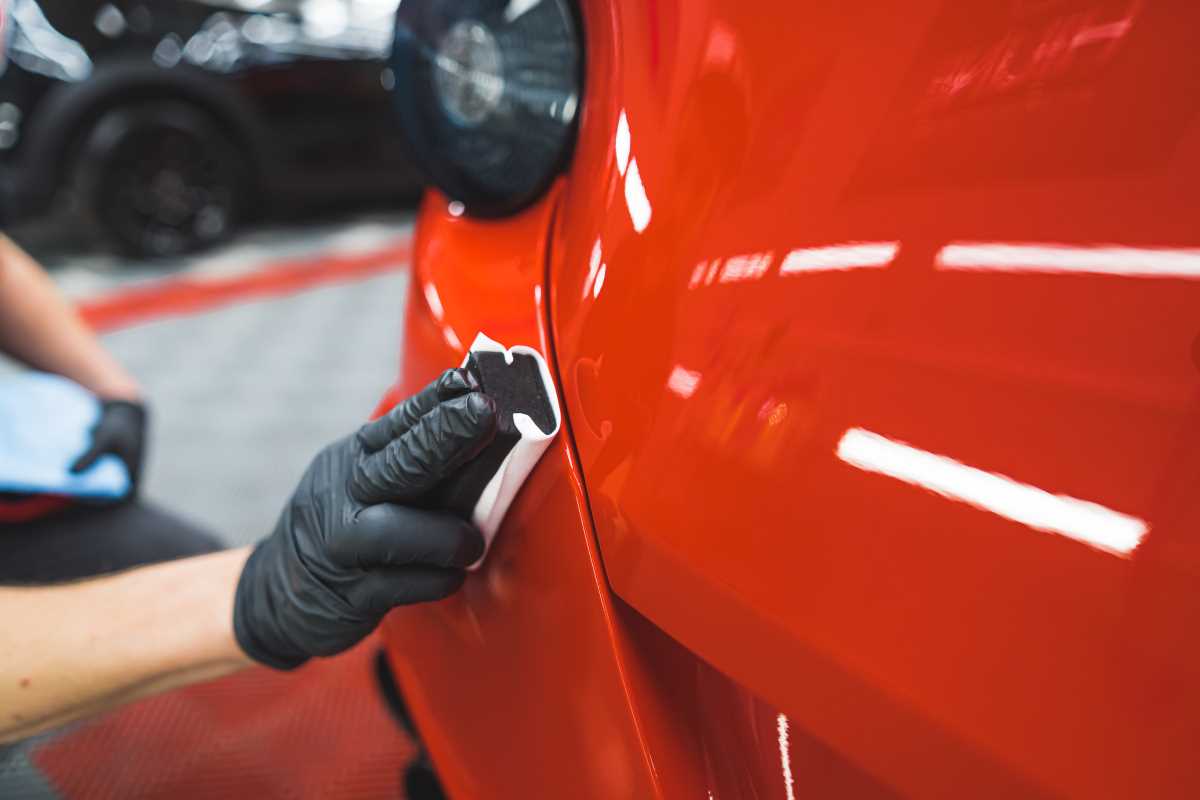
- Application Difficulty: Unlike wax, ceramics require a perfectly clean surface. You must use a clay bar to remove embedded grit before applying the coating, or you will "lock in" the dirt under the glass layer.
Physical Shielding Layers
Paint Protection Film (PPF) is the highest tier of defense. It is a thick, urethane material that acts as a second skin for the vehicle.
- Impact Resistance: PPF, such as XPEL Ultimate Plus, is designed to absorb the energy of a rock flying at 70 mph. While wax protects against the sun, PPF protects against physical trauma.
- Self-Healing Properties: Many modern films have a top coat that "heals" when exposed to heat. If you get light swirl marks, parking the car in the sun for an hour will actually cause the scratches to disappear.
- Zonal Application: You do not have to do the whole car. Focus on the "leading edges"—the front bumper, the mirrors, and the first 18 inches of the hood. These areas take the brunt of the abuse.
- Resale Value: When it comes time to sell, you can peel the film off to reveal factory-perfect paint underneath. Buyers are often willing to pay a premium for a car that has been "wrapped" since day one.
Interior Preservation
Paint fade is often accompanied by interior degradation. If the sun is hitting your paint, it is also hitting your dashboard.
- Window Tinting: High-quality ceramic window tints block 99% of UV rays from entering the cabin. This prevents your leather seats from cracking and your plastic dash from turning gray.
- Sunshades: Use a folding heat shield in the windshield whenever the car is parked. This lowers the interior temperature by up to 40 degrees, which indirectly helps the exterior by reducing the overall heat soak of the vehicle.
- Plastic Conditioning: Use a non-greasy protectant like 303 Aerospace Protectant on the rubber window seals. These seals keep moisture out of the door panels; if the sun dries them out, you'll end up with rust inside the doors.
By combining regular chemical cleaning with physical barriers like wax or film, you effectively pause the clock on your car's aging process. A proactive approach saves thousands in paint repair costs and keeps the vehicle looking like it just left the dealership.
.png)