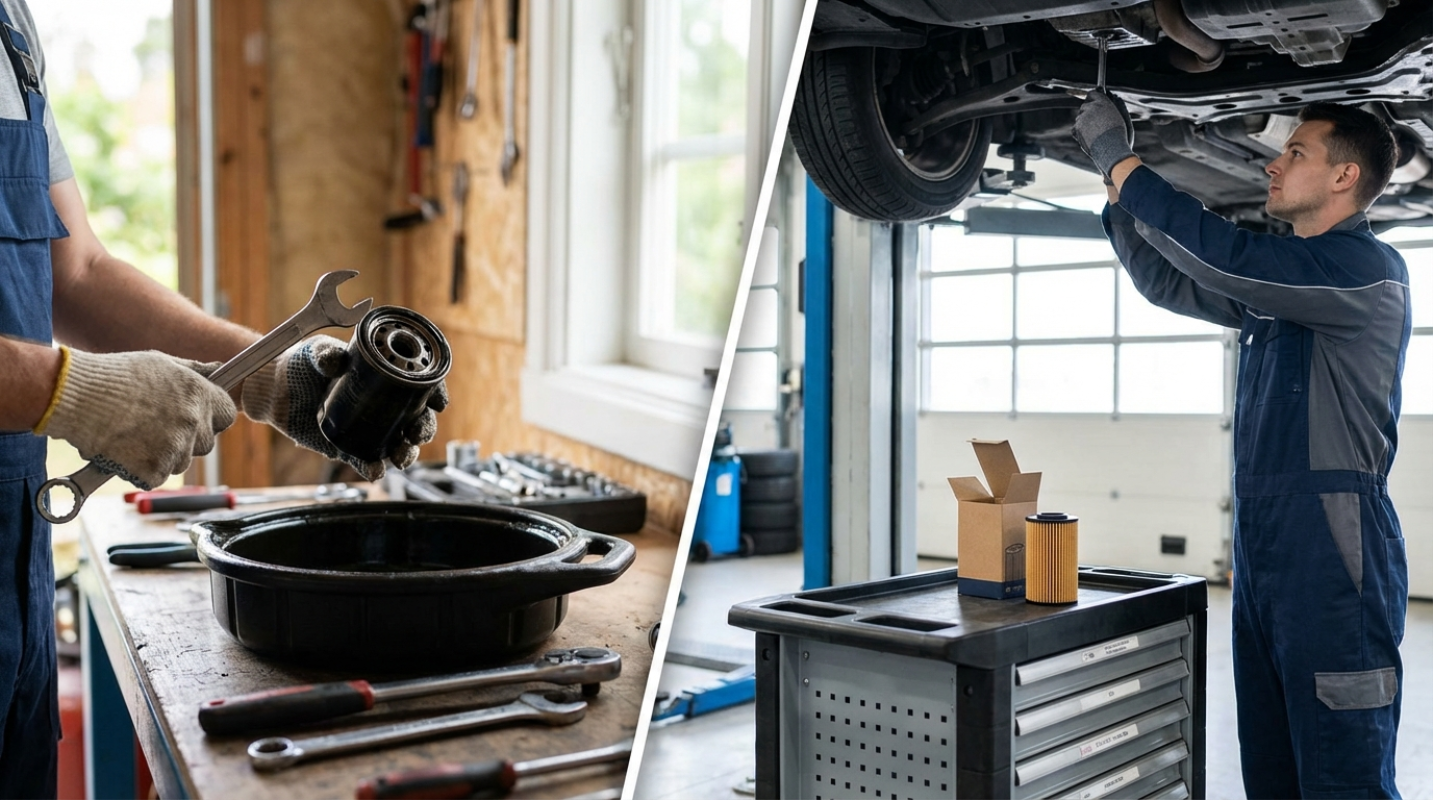
Owning a vehicle represents a significant milestone, offering unparalleled freedom and convenience. However, beyond the initial excitement, a car is a substantial financial asset that requires diligent management. Whether you are operating a well-loved hand-me-down or a newer model, the trajectory of the vehicle's reliability depends entirely on your maintenance habits. Neglecting basic care is the most direct path to mechanical failure and depreciated value. Fortunately, maintaining a car’s "showroom" performance is not a matter of luck; it is achieved through a structured approach to mechanical respect and proactive service.
The Science of Internal Fluid Maintenance
Fluid management is the cornerstone of engine health. Fluids act as the lifeblood of the mechanical system, facilitating movement, managing heat, and cleaning internal components.
- Engine Oil Integrity: Oil is responsible for lubricating high-speed metal parts. Over time, the chemical additives in oil break down, and the fluid accumulates carbon and grit, transforming into a thick sludge. Adhering to the manufacturer’s recommended interval—typically every five thousand to seven thousand miles—is the single most effective way to prevent internal friction and engine seizure.
- Thermal Control (Coolant): Antifreeze regulates the engine’s temperature. In high-heat conditions, it prevents boiling; in freezing temperatures, it prevents the water in the block from expanding and cracking the metal. Regular inspections for leaks or discoloration can save you from a catastrophic overheat.
- Hydraulic Systems: Brake and power steering fluids are essential for control. Brake fluid is hygroscopic, meaning it absorbs moisture from the air. Over time, this moisture can lead to internal corrosion and "spongy" pedal feel. Fresh fluid ensures that your safety systems respond instantly when required.
Tire Performance and Road Interface
Tires are the only point of contact between your vehicle and the pavement. Their condition dictates your stopping distance, fuel efficiency, and overall safety.
- Pressure Management: Atmospheric changes directly impact tire pressure. Under-inflated tires increase rolling resistance, which forces the engine to work harder and consumes more fuel. Conversely, over-inflation reduces the contact patch, leading to poor traction. Checking your PSI (pounds per square inch) monthly ensures a balanced ride and optimal fuel economy.
- Rotation Strategies: Weight distribution in a car is rarely equal; the front tires usually handle the weight of the engine and the friction of steering. By rotating your tires every five thousand miles, you ensure even tread wear, which can extend the life of a set of tires by several years.
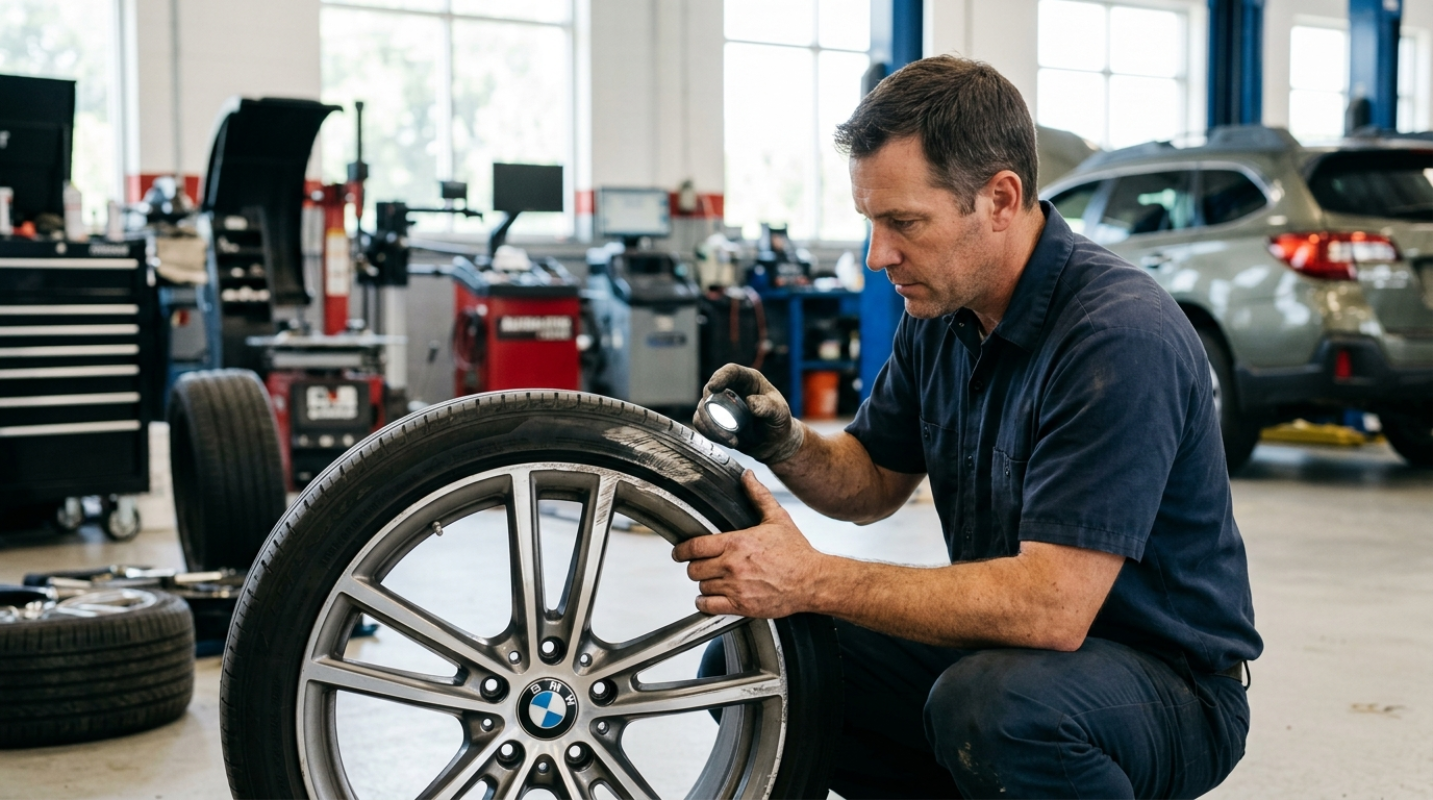
- Alignment and Balance: If the vehicle pulls to one side or the steering wheel vibrates at highway speeds, your alignment or balance is likely compromised. Addressing these issues early prevents "cupping" or uneven wear that can ruin a new tire in a matter of months.
Exterior Preservation and Cabin Hygiene
Cleanliness is a functional necessity rather than a cosmetic preference. Your car's surfaces are constantly subjected to environmental stressors.
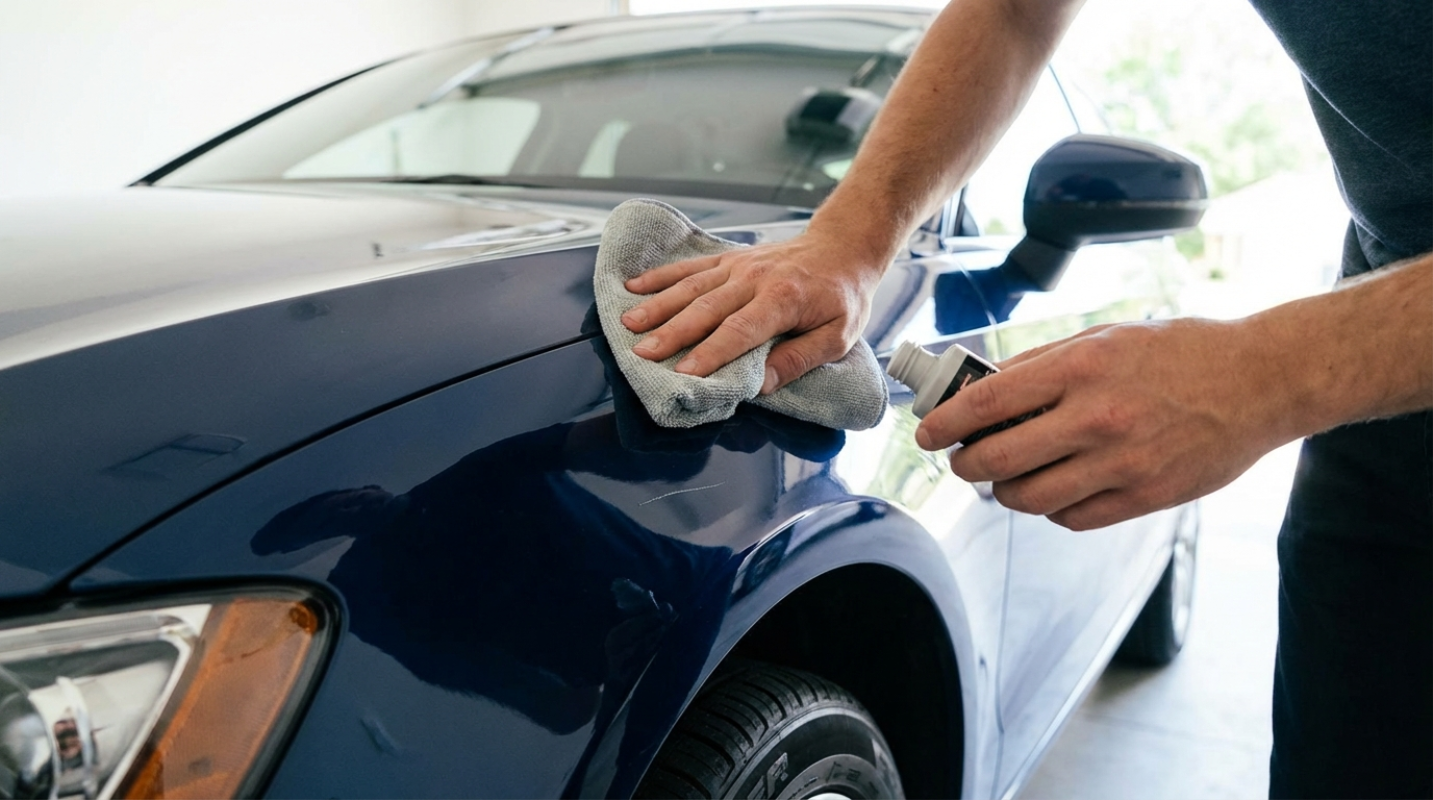
- Paint and Clear Coat Protection: Road salt, bird droppings, and UV rays are corrosive. Regular washing removes these elements before they can penetrate the paint and reach the metal frame, where rust begins. A biannual coat of wax serves as a sacrificial barrier, shielding the finish from sun damage.
- Undercarriage Care: The most dangerous rust often starts where you can't see it. In regions with winter weather, salt accumulates in the wheel wells and frame. Using an undercarriage wash is vital to preventing structural rot.
- Interior Integrity: Dirt and sand trapped in carpets act like sandpaper on the fibers. Keeping the cabin clean prevents premature wear of the upholstery. Additionally, keeping the dashboard free of dust prevents debris from entering sensitive electronic switches and climate control vents.
Auditory and Sensory Diagnostics
A car often provides sensory warnings long before a total breakdown occurs. Developing an "ear" for your vehicle allows you to catch minor issues before they escalate.
- Acoustic Warnings:
- Squealing: Often indicates a worn serpentine belt or a failing pulley.
- Grinding: Usually a sign that brake pads have worn down to the metal indicators.
- Thumping/Clunking: Points toward suspension components like struts or ball joints that require attention.
- Olfactory Signals: The smell of "maple syrup" often indicates a coolant leak, while a heavy "burnt" smell can point to oil leaking onto a hot exhaust manifold or a dragging brake caliper.
- Tactile Feedback: If you feel a pulsation in the brake pedal or a shudder through the seat, the vehicle is communicating a mechanical imbalance. Ignoring these sensations almost always leads to a more expensive repair bill in the future.
Strategic Driving for Mechanical Preservation
The way you operate the vehicle on a daily basis has a cumulative effect on the wear and tear of every component.
- Smooth Transitions: Aggressive acceleration and "panic" braking put unnecessary torque on the engine and transmission. By accelerating gradually and coasting toward red lights, you reduce the heat and friction generated within the drivetrain.
- Cold Start Protocol: When starting a car after it has been sitting, give the oil a moment to circulate through the upper engine before putting the car in gear. This is especially critical in cold weather when the oil is thicker and slower to move.
- Static Shifting: Avoid shifting between Reverse and Drive while the vehicle is still in motion. This "rolling shift" forces the transmission to use its internal gears as brakes, which can lead to premature transmission failure. Always come to a complete stop before changing directions.
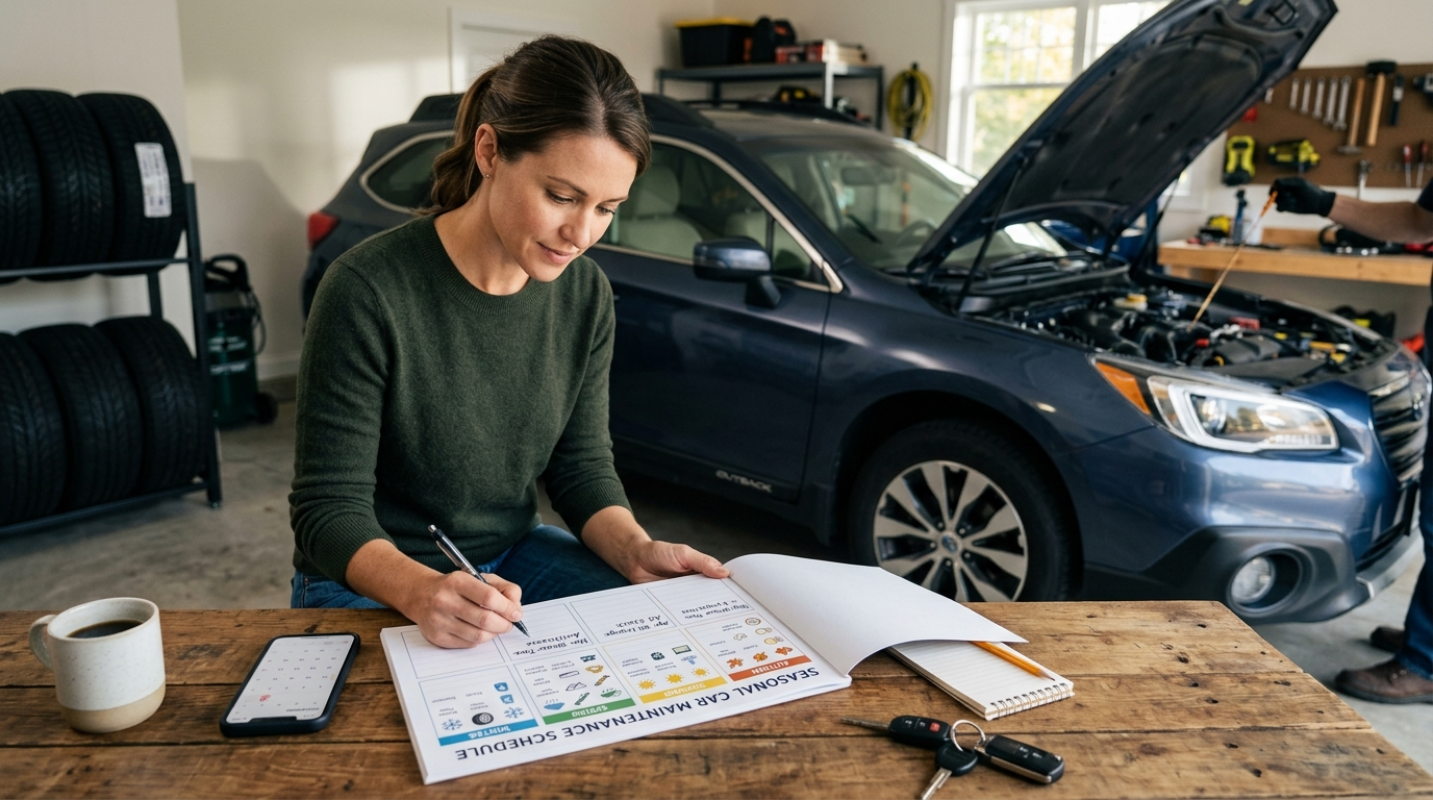
Respecting the machine through these habits ensures that your vehicle remains a reliable partner for your daily commute and weekend adventures. Consistency is the key; small, regular investments in time and attention prevent the massive financial burdens that come with mechanical neglect.
Disclaimer: This information is for educational purposes. Always refer to your specific owner's manual for maintenance schedules and fluid types. Articles on affordableautomotiveservice.com do not provide professional or legal advice.
.png)