Summer is the season of freedom. School is out, the sun is shining, and the open road is calling your name. It is the perfect time for road trips with friends, cruising with the windows down, and finding new adventures. But while you are soaking up the summer fun, your car is working overtime to keep its cool. The same heat that makes a day at the beach perfect can be a car’s worst enemy. An engine generates a massive amount of heat on its own, and when you add scorching summer temperatures to the mix, it creates a recipe for a potential meltdown. Seeing that temperature gauge creep into the red zone can turn a fun summer drive into a stressful, steamy mess on the side of the highway. Understanding why cars overheat and how to prevent it is a crucial piece of car ownership knowledge that will keep your summer adventures on track.
Your Car’s Cooling System Explained
To prevent your car from overheating, you first need to understand how it keeps itself cool in the first place. Think of your car’s cooling system as its personal air conditioner. It is a network of parts that work together to pull heat away from the engine and release it into the air. The star of the show is a liquid called coolant, also known as antifreeze. This brightly colored fluid circulates through passages in the engine, absorbing heat like a sponge. From there, it travels through a hose to the radiator at the front of your car. The radiator is designed with lots of thin metal fins that act like a heat sink. As you drive, air flows through the radiator, pulling the heat out of the coolant. A large fan provides extra airflow when you are stopped or moving slowly. The now-cooler fluid then travels back to the engine to start the whole process over again. When any part of this system fails, the engine can no longer get rid of its heat, and that is when you run into trouble.
Check Your Coolant Levels Regularly
One of the simplest yet most important things you can do to prevent overheating is to make sure you have enough coolant. This is a task you can easily do yourself in just a few minutes. First, and this is extremely important, never open the radiator cap when the engine is hot. The system is under high pressure, and opening the cap can cause scalding hot coolant to spray out. Always wait until the car has been turned off for a while and is cool to the touch. Most modern cars have a translucent plastic overflow tank connected to the radiator. This tank will have "Full" and "Low" markings on the side, allowing you to check the coolant level without opening anything. If the level is below the "Low" line, you need to add more. Make sure you use the correct type of coolant for your specific car. You can find this information in your owner's manual. Just like oil, coolant is not a one-size-fits-all product.
Give Your Radiator Some Love
The radiator is your engine's first line of defense against heat, but it cannot do its job if it is dirty. Over time, the front of the radiator can get clogged with bugs, dirt, leaves, and other road debris. This blocks airflow and makes it much harder for the radiator to release heat. A quick and easy way to maintain it is to simply clean it. When the engine is cool, you can use a hose with a gentle spray nozzle to wash the debris off the front of the radiator. Be careful not to use a high-pressure stream, as this can bend the delicate metal fins. You just want to rinse away the gunk that is blocking the airflow. This simple act of spring cleaning for your radiator can make a surprisingly big difference in your car's ability to stay cool on a hot day.
Use Your Air Conditioning Wisely
This might sound backward, but your car's air conditioning system can actually put extra strain on your engine. The A/C compressor is driven by the engine, which means the engine has to work a little harder when you have the A/C blasting. On a scorching hot day, especially if you are stuck in stop-and-go traffic or climbing a steep hill, that extra strain can be the straw that breaks the camel's back and pushes a struggling cooling system over the edge. If you notice your temperature gauge starting to climb, one of the first things you can do is turn off the A/C. It might make the cabin less comfortable for a few minutes, but it reduces the load on the engine. In an emergency, you can even turn on your car's heater full blast. This pulls hot air from the engine into the cabin, acting like a second radiator to help cool the engine down. It will feel like a sauna inside, but it could prevent catastrophic engine damage.
What to Do When Your Car Overheats
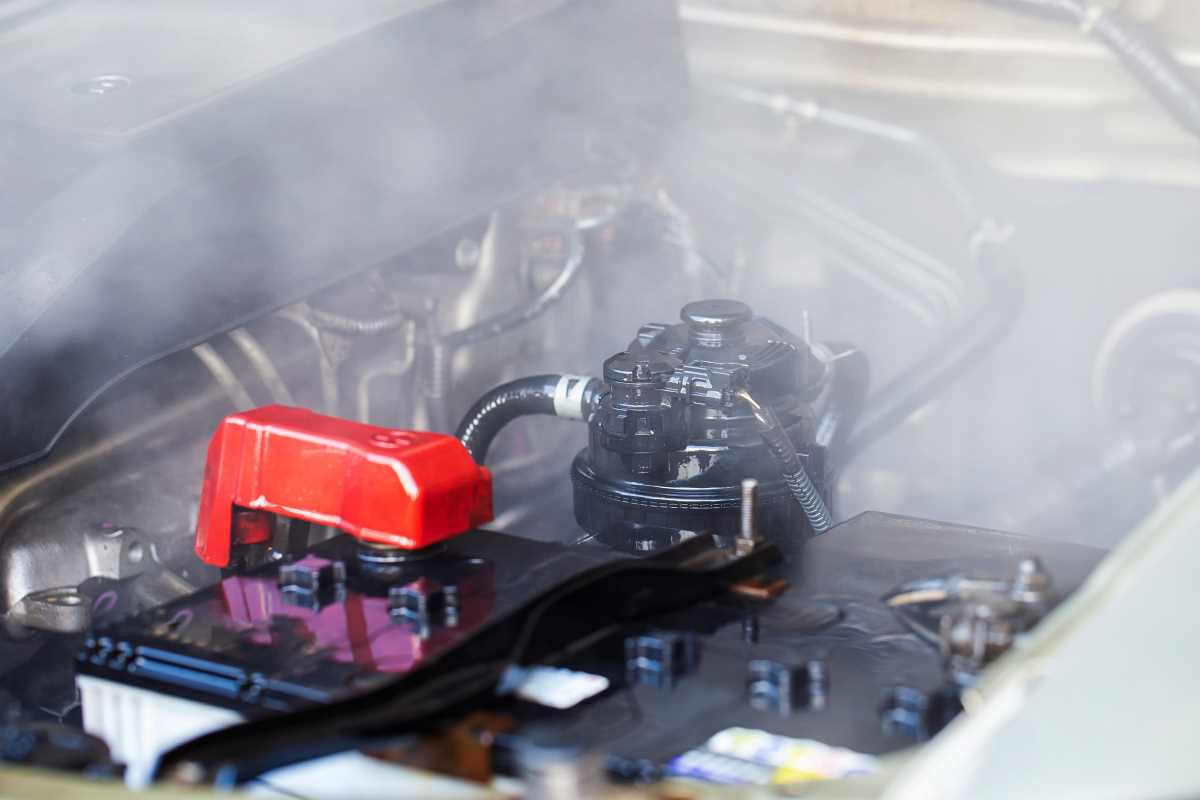
Even with the best preparation, emergencies can happen. If you see that temperature needle shooting into the red or steam pouring out from under your hood, you need to act fast. The first thing to do is turn off the air conditioning. Then, find a safe place to pull over as quickly as possible. Continuing to drive an overheating car can cause severe and permanent engine damage. Once you have pulled over, turn off the engine. Do not immediately pop the hood. The steam is incredibly hot and can cause serious burns. Let the car sit for at least 15 to 20 minutes to cool down.
Once it has cooled, you can carefully open the hood. Do not attempt to remove the radiator cap yet. Visually inspect for obvious problems, like a broken hose or a leak on the ground. If you have extra coolant and can see that the overflow tank is empty, you can add some. If you do not have coolant, water can be used in an emergency to get you to a mechanic. After adding fluid, you can try starting the engine again while keeping a close eye on the temperature gauge. If it stays in the normal range, you may be able to drive slowly to the nearest service station. If it starts to climb again immediately, it is best to call for a tow truck. Pushing your luck is not worth the risk of destroying your engine.
Articles on affordableautomotiveservices.com are for informational purposes only and do not provide professional or legal advice. Consult an expert before making decisions. We are not responsible for actions taken based on this content.
.png)