 (Image via
Biological systems and automotive machinery share a common dependency on specialized fluids to sustain operational integrity. For a vehicle to function as a reliable asset, it requires a diverse cocktail of chemical compounds designed for lubrication, thermal management, and hydraulic pressure. These fluids represent the functional lifeblood of the car, serving as the interface between high-speed mechanical components. Neglecting fluid levels or allowing them to become contaminated is the most frequent cause of premature component failure. Mastering the identification and inspection of these five critical reservoirs empowers a driver to maintain peak efficiency and avoid the substantial financial burden of emergency repairs.
Internal Lubrication through Engine Oil
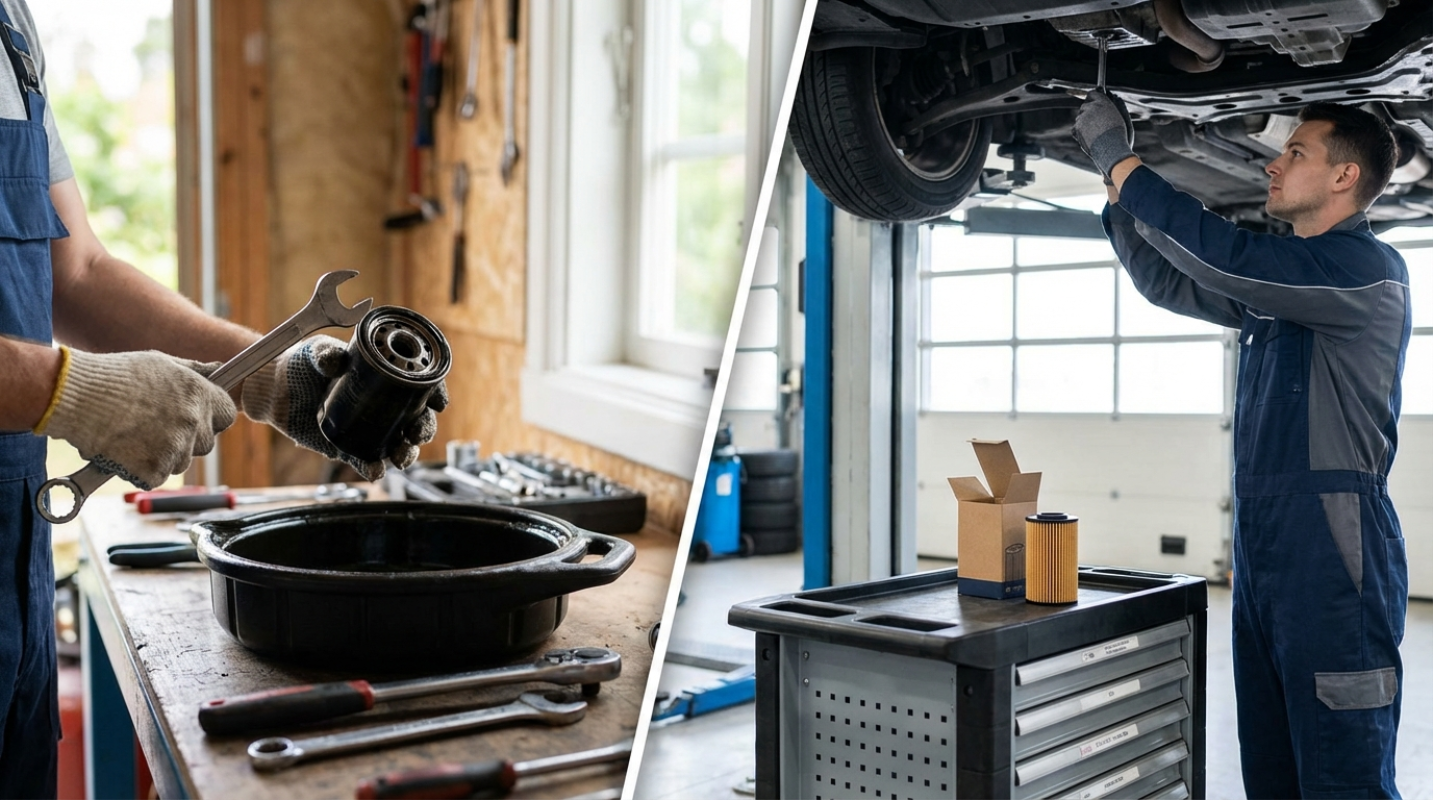
Engine oil is the most widely recognized fluid in the automotive ecosystem, and its role is multifaceted. It serves as a microscopic cushion between moving metal surfaces, a cooling agent for internal components, and a detergent that captures combustion byproducts.
- The Risks of Neglect: Operating an engine with insufficient oil volume leads to catastrophic "seizure," where friction-generated heat melts metal parts together. In 2025, a complete engine replacement typically costs between $4,000 and $9,000.
- Inspection Protocol: Park the vehicle on a level surface. Once the engine is warm, deactivate the ignition and wait ten minutes for the oil to settle. Extract the dipstick—identifiable by a yellow or orange loop—wipe it with a clean cloth, reinsert it fully, and pull it out a second time.
- Reading the Level: The oil film should fall between the two indicated marks (often dots or cross-hatches). If the oil appears dark black and gritty, or if the level is below the "Add" mark, immediate maintenance is required to prevent internal scouring.
Thermal Regulation via Engine Coolant
Combustion produces temperatures that would instantly liquefy aluminum and steel if not for the presence of coolant, also known as antifreeze. This fluid circulates through the engine block to absorb heat and transfer it to the radiator for dissipation.
- Molecular Composition: Standard coolant is a 50/50 mixture of ethylene glycol and distilled water. The glycol raises the boiling point to prevent summer boil-overs and lowers the freezing point to prevent the engine block from cracking in sub-zero temperatures.
- Safety Warning: The cooling system is pressurized. Never attempt to open a radiator cap or coolant reservoir while the engine is hot. Scalding steam can cause severe third-degree burns.
- Visual Verification: Most 2025 vehicles feature a translucent "overflow" tank. You can verify the fluid level through the plastic without opening the system. If the level is consistently low, it indicates a leak in the radiator, water pump, or a hose that requires professional intervention.
Deceleration Control through Brake Fluid
Braking is a hydraulic process. When the pedal is depressed, it forces brake fluid through the lines to squeeze the pads against the rotors. Because liquid does not compress, the force of your foot is amplified and delivered instantly to the wheels.
- Hygroscopic Vulnerability: Brake fluid is "hygroscopic," meaning it actively absorbs moisture from the atmosphere. Over time, water in the lines lowers the boiling point of the fluid. Under heavy braking, this water can turn to steam (which is compressible), resulting in a "spongy" pedal and a dangerous loss of stopping power.
- Reservoir Monitoring: Located near the firewall on the driver’s side, the brake fluid reservoir should always be near the "Max" line.
- Warning Signs: If the fluid level drops significantly, it often indicates that the brake pads have worn thin, or there is a leak in the master cylinder or calipers. Given that this is a primary safety system, any deviation in fluid level warrants an immediate mechanical inspection.
Power Transfer and Transmission Fluid
The transmission is the gearbox that translates engine power into wheel movement. Transmission fluid serves as both a lubricant for the gears and the hydraulic medium that facilitates gear shifts in automatic vehicles.
- Symptom Recognition: Low or degraded transmission fluid manifests as "slipping," where the engine revs but the car doesn't accelerate properly, or "hard shifts," where the car jerks between gears.
- The "Dipstick" Method: While some modern "sealed" transmissions lack a dipstick, many still feature one (often red or blue). Unlike engine oil, transmission fluid is usually checked while the engine is running and the vehicle is in "Park."
- Color Analysis: Healthy fluid is translucent and reddish-pink with a slightly sweet scent. If the fluid is dark brown, opaque, or possesses a "burnt" odor, the internal clutches are likely overheating, and the fluid must be flushed to avoid a $3,000+ transmission rebuild.
Directional Assistance via Power Steering Fluid
Power steering systems use hydraulic pressure to assist the driver in turning the wheels. This allows a human to steer a 4,000-pound machine with minimal physical effort.
- Auditory Cues: The most common sign of low power steering fluid is a high-pitched "whine" or "moan" when turning the steering wheel, especially at low speeds. This sound is caused by the pump struggling to move air bubbles through the lines.
- System Longevity: Maintaining the correct fluid level protects the power steering pump and the steering rack. A small leak in a hose is a cheap repair; replacing a burned-out pump or a leaking rack can cost between $600 and $1,200.
- Level Checks: The reservoir is typically located at the front of the engine. Some caps have an integrated dipstick, while others require a visual check through the side of the container. Ensure you use the specific fluid type listed in the owner’s manual, as using the wrong grade can damage the rubber seals in the system.
Functional Visibility with Washer Fluid
While it does not keep the engine running, windshield washer fluid is a critical component of "active safety." Maintaining clear visibility is paramount, particularly during the low-sun angles of autumn or the salt-spray conditions of winter.
- Environmental Suitability: In 2025, it is recommended to use seasonal formulas. Summer blends are optimized for dissolving insect remains, while winter blends contain high concentrations of alcohol to prevent the fluid from freezing at -20°F.
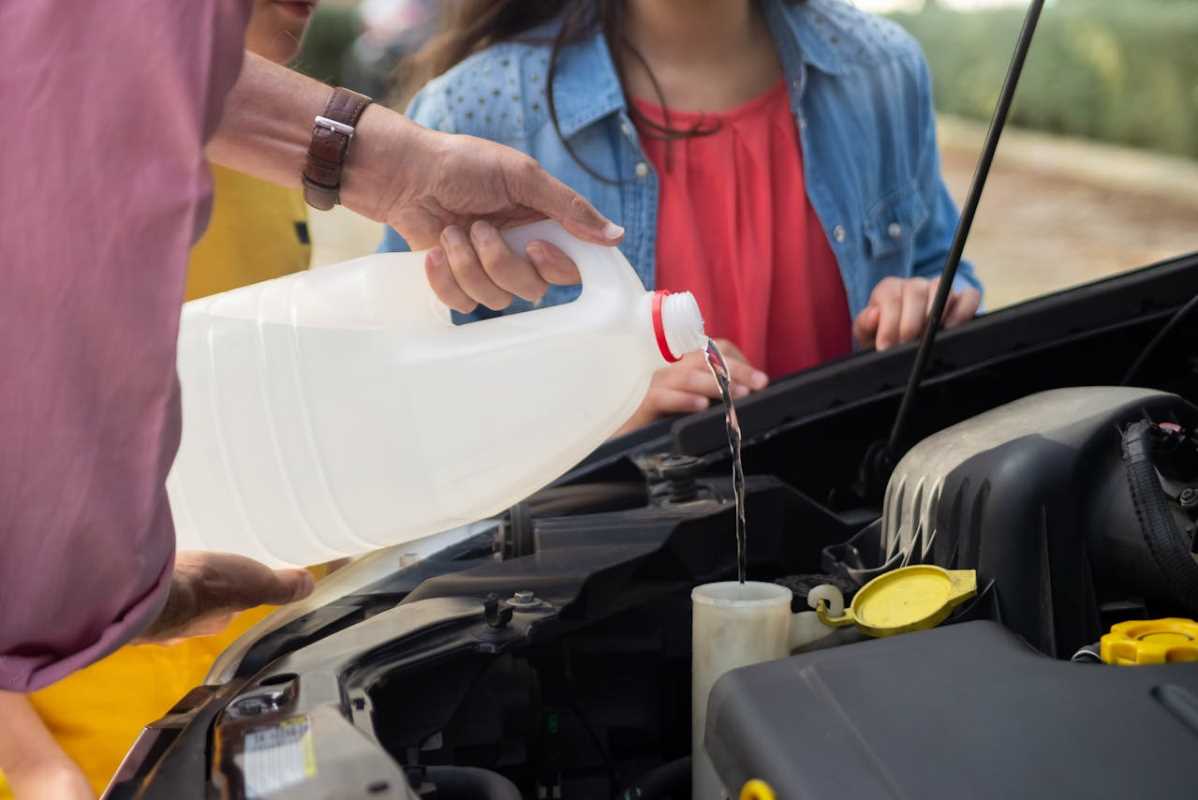
- Maintenance Ease: This is the only fluid a driver should feel entirely comfortable refilling without professional guidance. Simply fill the reservoir (marked with a windshield wiper icon) to the top whenever it looks low.
By conducting a five-minute "under-the-hood" inspection once a month, you move from being a passive passenger to an informed operator.
Articles on affordableautomotiveservices.com are for informational purposes only and do not provide professional or legal advice. Consult an expert before making decisions. We are not responsible for actions taken based on this content.



.png)