Most people ignore their car battery until the vehicle refuses to start. This component serves as the electrical heart of your car, providing the initial burst of energy needed to wake up the engine. Without a functional power source, all the mechanical power and high-tech features of your vehicle remain completely useless. A dead battery often strikes at the worst times, like late at night or when you are rushing to school. However, a battery almost always gives off warning signals before it fails completely. Learning how to recognize these signs allows you to handle a replacement before you end up stranded.
Auditory Clues During the Ignition Cycle
The most common way to tell your power source is failing is by listening to the car as you turn the key or press the start button. This process requires a massive amount of electrical current to move the heavy internal parts of the engine.
- Sluggish Cranking: A healthy car starts with a fast, energetic sound. If the battery is weak, the engine will turn over slowly. You might hear a dragging "ruuuuh-ruuuuh" sound that lasts longer than usual. This is a sign that the battery is struggling to provide enough amperage to the starter motor.
- Clicking Noises: If you hear a rapid clicking sound when you try to start the car, the battery is almost completely drained. The clicking is the sound of the starter solenoid trying to engage but failing because there is not enough power to hold it in place.
- Ambient Temperature Effects: Cold weather makes it harder for batteries to work. If your car sounds "lazy" on a freezing morning, your battery is likely nearing the end of its life. The cold thickens the engine oil, which means the battery has to work even harder at a time when its chemical strength is at its lowest.
Electronic Performance and Visibility
Your battery powers everything from your headlights to your phone charger. By watching how these electronics behave, you can judge the strength of your electrical system.
- Headlight Intensity: Switch on your headlights before you start the engine. If the beams look dim or yellow, the battery is weak. If they get much brighter the moment the engine starts, the alternator is doing all the work because the battery has no reserve power left.
- Dashboard Warnings: Many cars have a battery-shaped warning light on the dash. If this stays on while you are driving, it could mean the battery is failing or the charging system has a problem. Also, watch for interior lights that flicker or a radio that resets itself unexpectedly.
- Power Accessory Speed: Watch how fast your power windows roll up. If they move significantly slower than they used to, it is often because the electrical system is not receiving a steady, strong flow of power.
Lifespan Factors and Environmental Impact
Batteries are made of lead plates and acid. This chemistry has a shelf life that eventually runs out, regardless of how well you take care of the car.
- The Typical Three-to-Five Year Window: Most batteries are designed to last between three and five years. Once you hit the four-year mark, you are on "borrowed time." It is much smarter to replace a four-year-old battery on a sunny afternoon than to wait for it to fail in a rainstorm.
- The Danger of High Heat: Many people think winter is the main enemy, but extreme summer heat actually does more damage. Heat causes the liquid inside the battery to evaporate and speeds up internal corrosion. This damage happens in the summer, and the battery simply dies when the first cold snap of autumn arrives.
- Finding the Date Sticker: Look for a small sticker on the battery case. It often has a code like "4/24" (meaning April 2024). Keeping track of this date helps you know exactly how old your equipment is.
Physical Inspection of the Casing
You can learn a lot about your car's health just by popping the hood and looking at the battery. Physical changes often point to internal chemical failures.
| Physical Sign | What It Means | Required Action |
| Powdery Corrosion | Acid is leaking or reacting with the terminals. | Clean with baking soda and water. |
| Swollen Case | The battery has been overcharged or overheated. | Replace immediately; the case could crack. |
| Rotten Egg Smell | The battery is "off-gassing" sulfuric acid. | Have a professional check the charging system. |
| Loose Cables | Vibration has shaken the connections free. | Tighten the clamps with a wrench. |
- Corrosion Buildup: That white, crusty stuff on the metal posts is corrosion. It acts like a wall that stops electricity from flowing smoothly. If you see it, the battery is struggling to send and receive a charge.
- Structural Deformation: A battery should have flat, straight sides. If the sides are bulging or look bloated, the internal chemistry has failed. A swollen battery is a dangerous hazard and should be handled with care.
Free Diagnostic Testing Services
You do not have to guess about the condition of your battery. Most local auto parts stores provide testing at no cost to the customer.
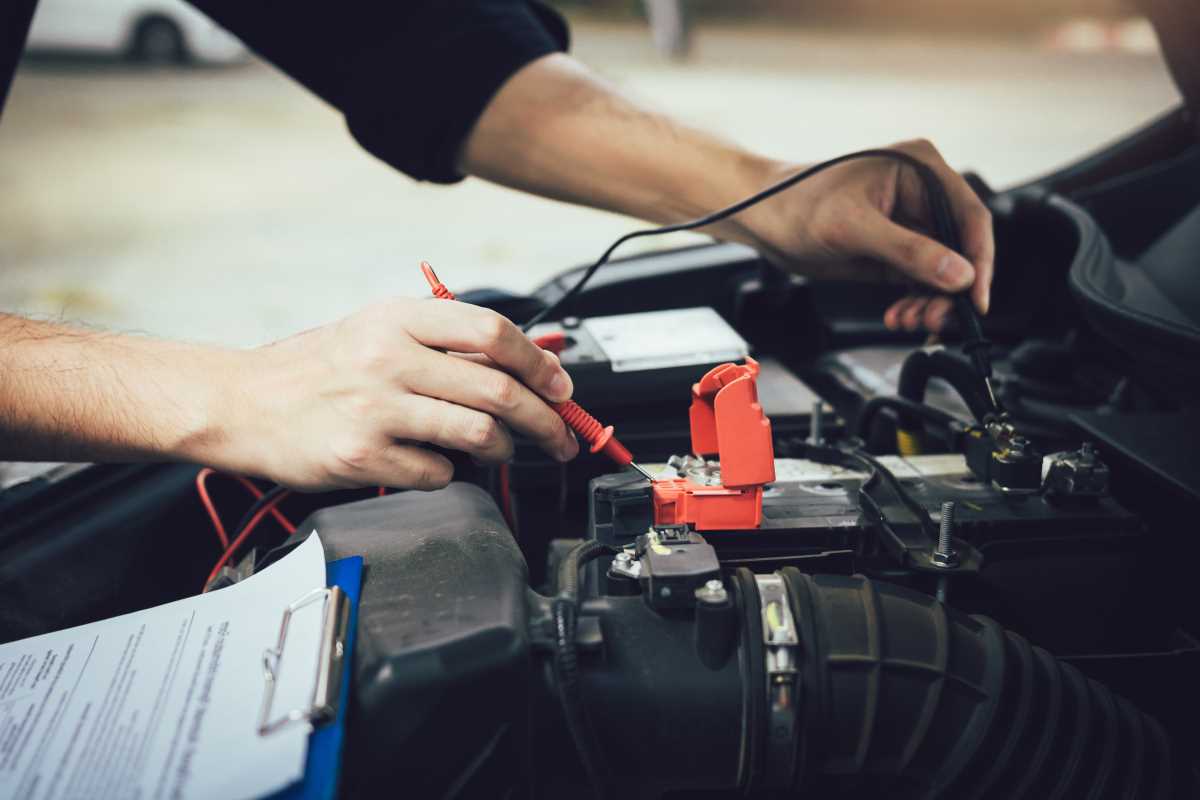
- How the Test Works: A technician hooks up a handheld computer to your battery. The tool simulates a "load," which is like a stress test for the battery. It measures the voltage and the "Cold Cranking Amps" (CCA).
- Objective Data: Within a minute, the tool gives a report. It will say "Good," "Charge and Retest," or "Replace." This gives you the evidence you need to make a decision without wasting money on a part that might still be fine.
- Alternator Check: Many of these free tests also check your alternator. This is helpful because sometimes people replace a battery when the real problem is a broken alternator that isn't recharging the battery as you drive.
Safe Replacement and Installation
If the test proves the battery is dead, you can often replace it yourself with basic tools. This saves you from paying a mechanic for labor.
- Safety First: Wear gloves and eye protection. Batteries contain acid that can burn your skin. Always remove the black (negative) cable first and attach it last to avoid sparks.
- Matching Specifications: Every car needs a specific size and power level. Look for the "Group Size" and the "CCA" rating on your old battery and make sure the new one matches exactly.
- Securing the New Unit: Ensure the battery is clamped down tightly in its tray. If a battery is allowed to bounce around while you drive, the internal lead plates can break, causing it to fail much faster than normal.
Summary of Reliable Power Habits
Maintaining a healthy electrical system involves a mix of observation and proactive care. By listening to how the car starts and occasionally looking under the hood, you can spot trouble months before it leaves you stranded. Treat your battery as a consumable item with a limited lifespan. Managing this component before it reaches total failure ensures that your car is always ready to go when you are.
Distance and time are the two biggest factors in automotive health. Whether you are dealing with a slow crank or a four-year-old casing, acting on these signs keeps you in control. Your battery provides the spark for every journey; giving it a little attention ensures that spark never fades when you need it most.
Disclaimer: This guide is for educational purposes. Batteries contain sulfuric acid and can produce explosive gases. Always follow the safety instructions in your owner's manual. If you see a leaking or cracked battery, do not touch it and call a professional for help.
Articles on affordableautomotiveservices.com are for informational purposes only and do not provide professional or legal advice. Consult an expert before making decisions. We are not responsible for actions taken based on this content.


.png)