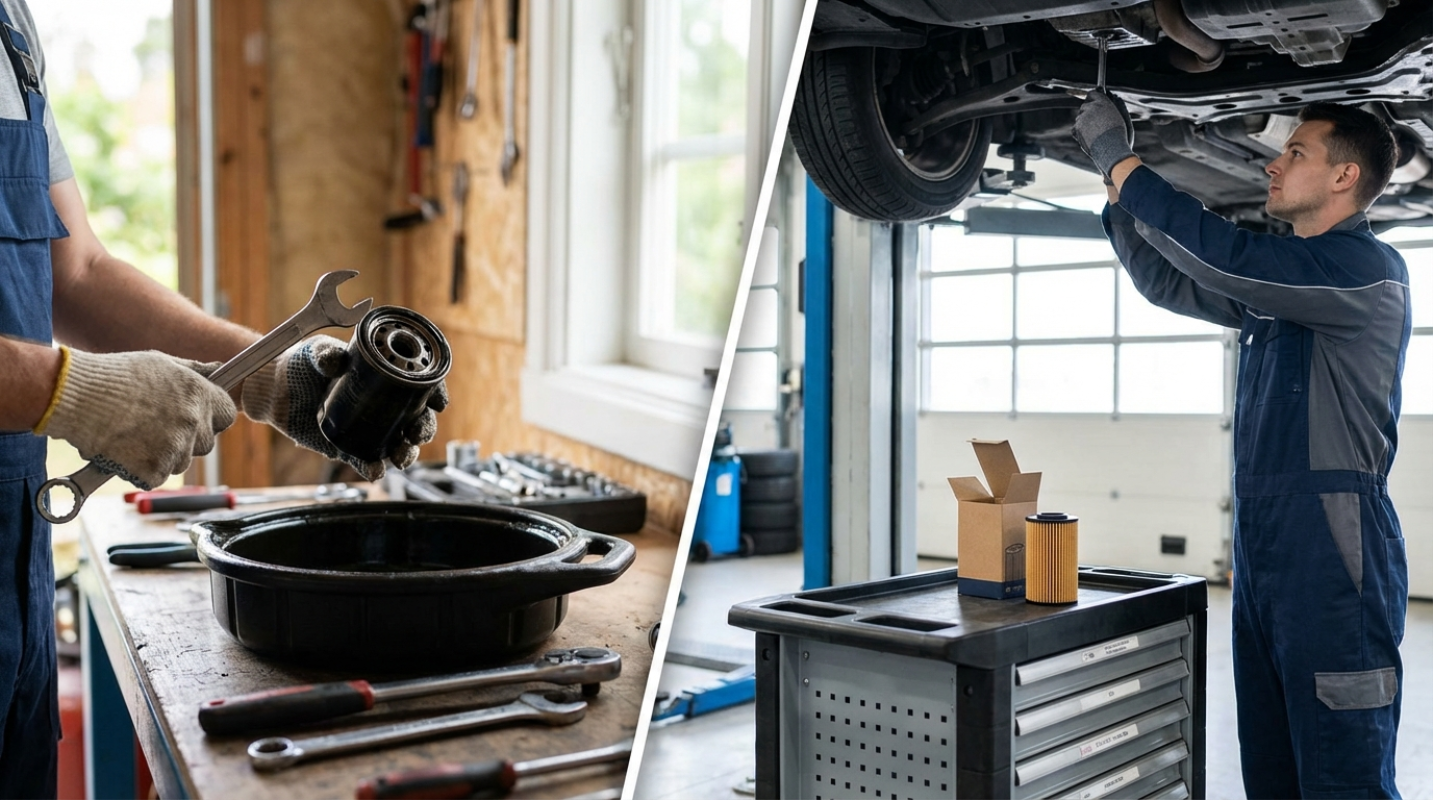
 (Image source: Google Gemini)
 Keeping a car on the road in 2026 feels a bit like a high-stakes game of approach. With the average age of vehicles hitting a record 12.6 years, your car is likely an old friend you want to keep around as long as possible. But here is the reality check. Repair costs have jumped by more than 43% since 2019, and the average annual maintenance bill for a newer vehicle is now well over $1,200.⁴ So how do you stay ahead of the curve without spending every weekend at the mechanic shop?
The answer is a seasonal maintenance schedule. By breaking your car care into four manageable chunks, you can stop small issues from turning into bank-account-draining disasters. It is the difference between a quick $200 tune-up and a $4,000 engine overhaul.
Why a Seasonal Maintenance Schedule is Your Best Financial Move
Think of your car like your own body. You wouldn't wait for a heart attack to start eating healthy, right? Proactive maintenance works the same way. When you follow a consistent schedule, you are buying insurance against the most expensive parts of your car failing prematurely.
The financial benefits are hard to ignore. Owners who handle basic tasks like oil changes, filter replacements, and wiper swaps themselves can save between $800 and $1,200 every single year.⁴ Beyond the immediate cash savings, a well-documented service history is a gold mine when you eventually decide to sell. A digital paper trail can actually boost your car’s resale value by 10% to 15%.
There is also the simple factor of reliability. Have you ever been stuck on the side of a highway during a summer heatwave or a winter storm? It is stressful, expensive, and entirely avoidable. A seasonal routine gives you the peace of mind that your vehicle is ready for whatever the weather throws at it.
Spring: The Reset Button for Your Vehicle
Once the ice melts and the flowers start blooming, your car needs a serious deep clean. Winter is brutal on machinery. Road salt is acidic for your car's undercarriage, leading to rapid oxidation and frame rust if it isn't washed away.
Undercarriage Wash: Get to a car wash with a high-pressure undercarriage spray. You need to blast away every trace of salt from the 2025-2026 winter season to prevent long-term structural damage.¹
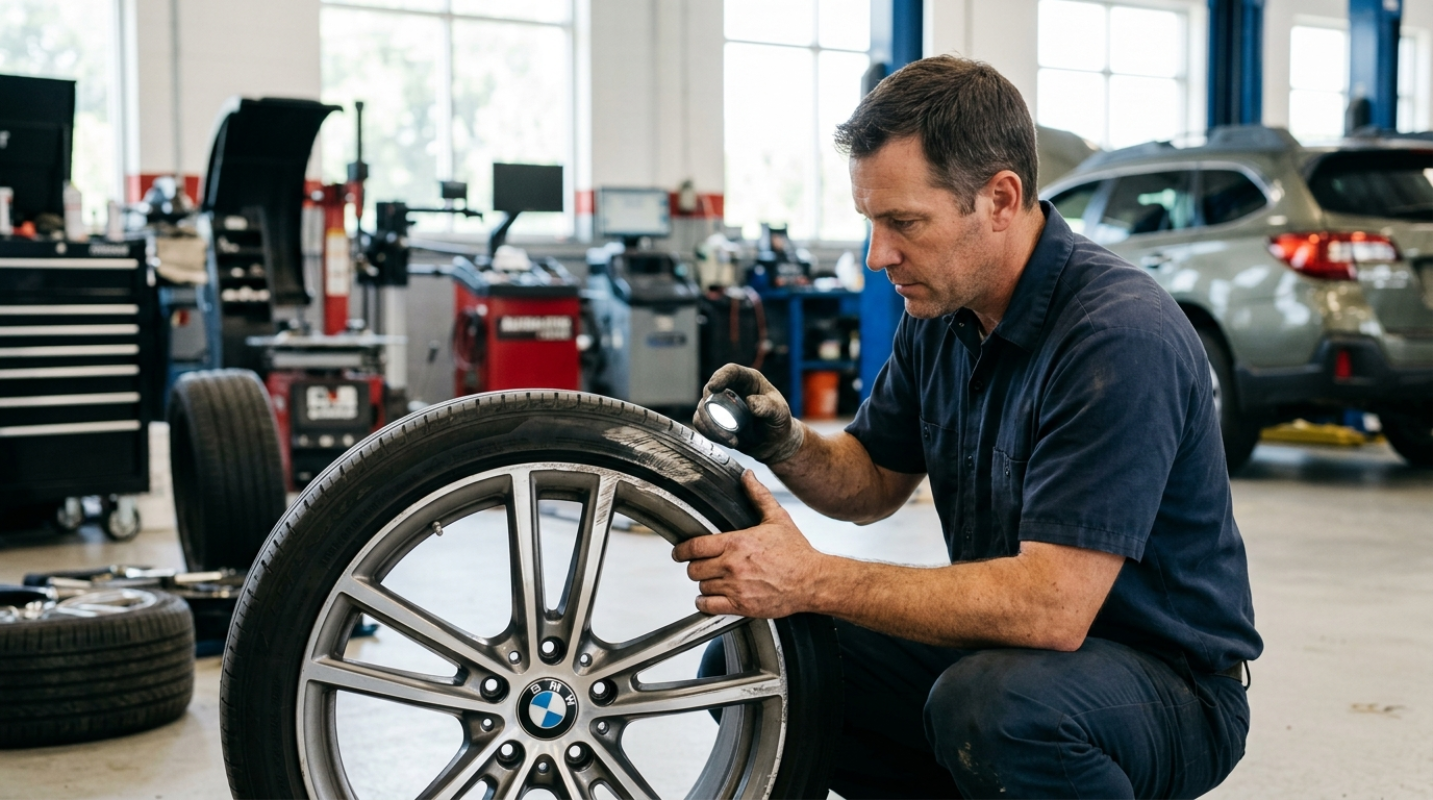
Tire Swap and Alignment: If you have been running winter tires, get them off by late March. This is also the best time to check your alignment. Winter potholes are notorious for knocking wheels out of spec, which can drag down your fuel efficiency by as much as 10%.¹
Cabin Air Filter: After a damp winter, these filters often harbor mold or mildew. Replacing it now makes sure you aren't breathing in old winter funk during the 2026 allergy season.
Wiper Blades: Ice and snow often tear the delicate rubber on your wipers. Swap them out now so you are ready for those sudden April downpours.
Summer: Preparing for Heat and Road Trips
Although winter gets all the bad press, summer heat is actually a silent killer for many car components. Heat accelerates chemical reactions, which means your battery and your cooling system are under constant attack when the mercury rises.
Cooling System Flush: Overheating is a top cause of summer breakdowns. You want to make sure you have a fresh 50/50 mix of antifreeze and water to keep your engine temp stable.
Battery Load Test: Did you know that heat weakens batteries more than cold does? If your battery is more than three years old, get it tested before the first July heatwave hits.²
Tire Pressure Monitoring: Physics tells us that air expands when it gets hot. Check your PSI monthly during the summer. Over-inflated tires on hot asphalt are a recipe for a high-speed blowout.
EV Thermal Management: If you are driving an electric vehicle, your summer focus should be on the battery cooling system. Keeping that system healthy is the only way to prevent range loss when it is 100 degrees outside.
Fall: Prepping for the Harsh Winter Ahead
October is widely considered Fall Car Care Month, and for good reason.² It is your last chance to fix things comfortably before the freezing temperatures make DIY repairs a miserable experience. This season is all about visibility and preparation.
Lighting Inspection: As the days get shorter, your headlights and brake lights become your most important safety features. Check every bulb and consider restoring cloudy plastic lenses to make sure you can actually see the road.
Heater and Defroster: Do not wait for the first frost to find out your heater is blowing cold air. Test the system in September, so you have time to fix any blower motor or core issues.
Fluid Top-off: This is the time to switch to a winter-grade windshield washer fluid. If you still have summer fluid in the reservoir when the temperature hits 32 degrees, it will freeze and potentially crack the plastic tank.
Brake Check: Slick, leaf-covered roads can be just as dangerous as ice. Make sure your brake pads have at least 4/32" of tread left to give you the stopping power you need.³
Winter: Staying Safe in Challenging Conditions
Winter maintenance is less about "fixing" and more about "surviving." When the temperature drops below zero, your car has to work twice as hard just to start. Your goal here is to minimize friction and get the most from traction.
Battery Terminals: Check for that white, crusty corrosion on your battery terminals. Clean it off with a wire brush to make sure your battery can deliver the high cold cranking amps (CCA) needed to turn over a frozen engine.
Tire Tread Depth: For snow traction, you really need at least 5/32" of tread.³ If your tires are balding, you are driving on ice skates.
Winter-Grade Oil: Some older vehicles benefit from a thinner, synthetic oil in the winter to help with cold starts. Check your owner's manual to see if your car has a specific winter viscosity recommendation.
Emergency Kit: Every car should have a winter survival bag. In 2026, a modern kit should include a portable lithium-ion jump starter, a space blanket, and traction mats or a bag of sand for when you get stuck.
Building Your Routine Tips for Staying Consistent
So how do you actually stick to this? The old "every 3,000 miles" rule is mostly dead. Most 2026 models and even older cars using synthetic oil can easily go 7,500 to 10,000 miles between oil changes. But your maintenance schedule should not just be about oil.
The best way to stay consistent is to use digital tools that do the thinking for you. Apps like CarFAX, Car Care, or Simply Auto can sync with your vehicle's VIN to give you specific alerts based on your manufacturer's guidelines.⁵ Some newer apps, like VinSnap, even use AI to predict which parts are likely to fail based on common issues with your specific model.⁶
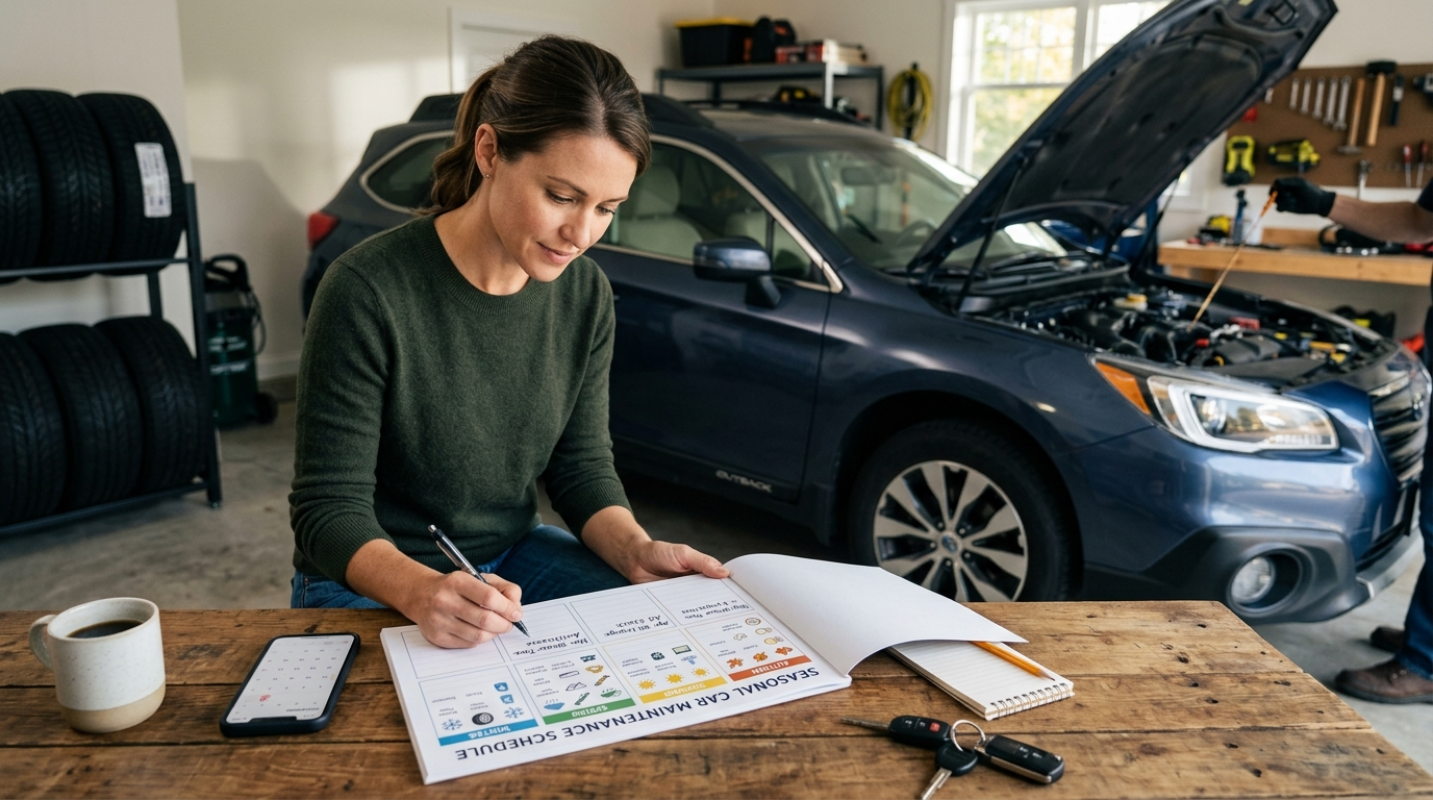
If you prefer a low-tech approach, just use the calendar. Set a recurring alert on your phone for the first weekend of April, July, October, and January. Use those dates to run through your seasonal checklist regardless of how many miles you have driven.
Finally, remember the 10/80 rule if you have made the switch to an EV. To keep that expensive battery healthy for the long haul, try to keep your daily charge between 10% and 80%. Save the 100% charges for long road trips. This simple habit can significantly extend the life of your battery pack and keep your resale value high.
Sources:
1. The Ultimate Guide to Seasonal Car Maintenance
https://mattsautoservicecenter.com/the-ultimate-guide-to-seasonal-car-maintenance/
2. Car Maintenance for All Seasons
https://magazine.northeast.aaa.com/shorthand_story/car-maintenance-for-all-seasons/
3. 12-Month Car Maintenance Calendar
https://www.endurancewarranty.com/learning-center/expert-auto-tips/12-month-car-maintenance-calendar/
4. Car Maintenance Statistics
https://carliftlab.com/car-maintenance-statistics/
5. Best Car Maintenance Apps
https://www.acg.aaa.com/connect/blogs/4c/auto/best-car-maintenance-apps
.png)