.png)
If you own a car, especially one that sees winter salt or coastal humidity, you are fighting a losing battle against nature. But that doesn’t mean you have to lose quickly. Rust—that insidious orange blight—is the single biggest threat to your vehicle’s longevity, safety, and resale value. Think of rust like a small crack in your windshield. It starts small, almost invisible. If you ignore it, the next pothole turns that hairline fracture into a spiderweb. With automotive corrosion, the process is even more destructive, eating away at the very structure of your vehicle.
Understanding Why Early Rust Detection Matters
Automotive rust is simply oxidation: iron reacting with oxygen and water to form iron oxide. It’s a chemical process that transforms strong steel into a flaky, brittle substance that can’t bear weight.
Why should a tiny bubble of paint matter? Because ignoring minor surface rust leads directly to catastrophic structural failure. Once rust penetrates the outer sheet metal, it finds its way into the seams, joints, and internal boxed sections of the chassis. Those areas are impossible to clean without major disassembly.
We need to recognize the difference between the minor stuff and the major threat. Surface rust is purely cosmetic; it sits on the paint or clear coat. Deep, penetrating rust has eaten through the metal. When you can poke a screwdriver through a panel, that’s not rust anymore—that’s a hole where steel used to be. That means key components, like brake lines or suspension mounts, could be compromised.
Routine Inspection and Identification
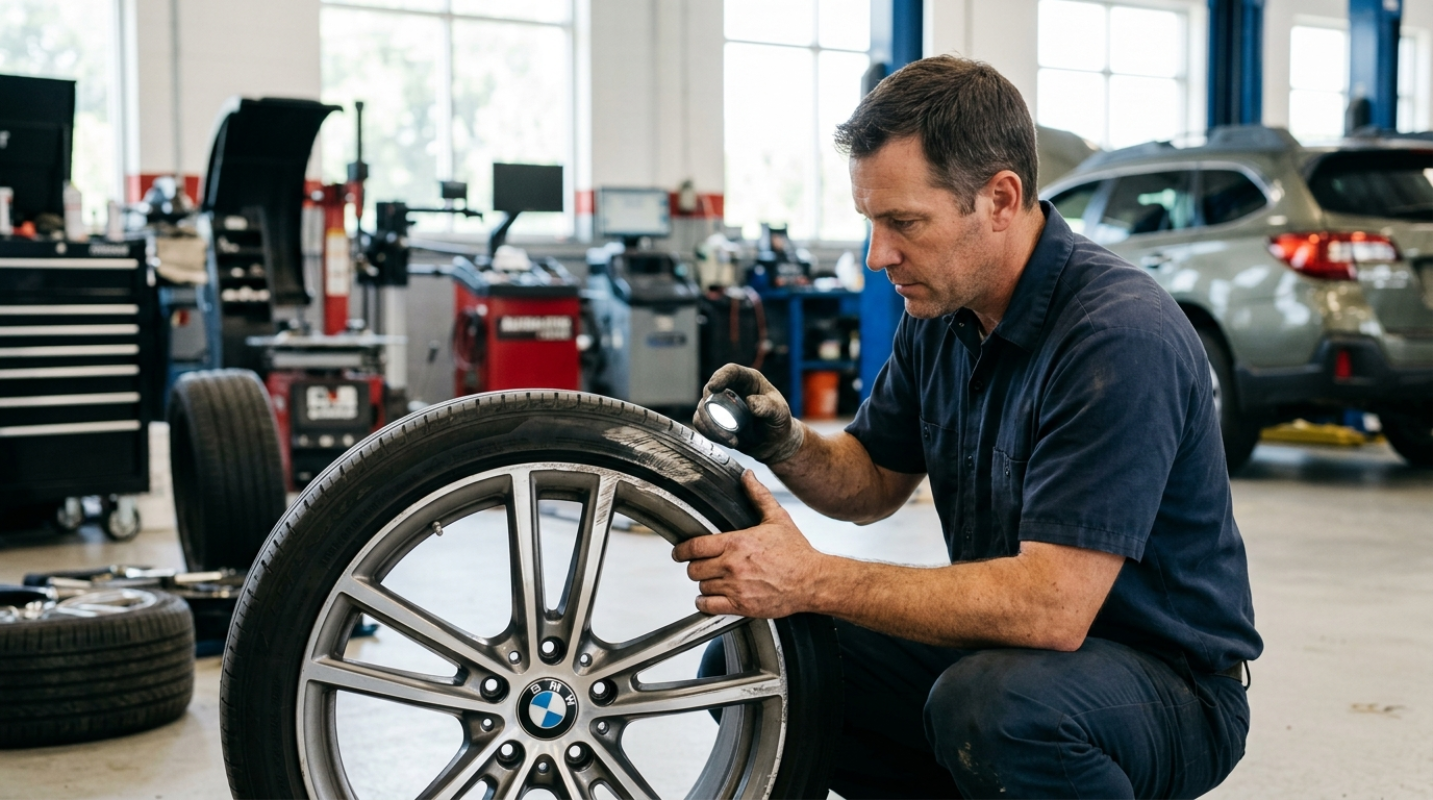
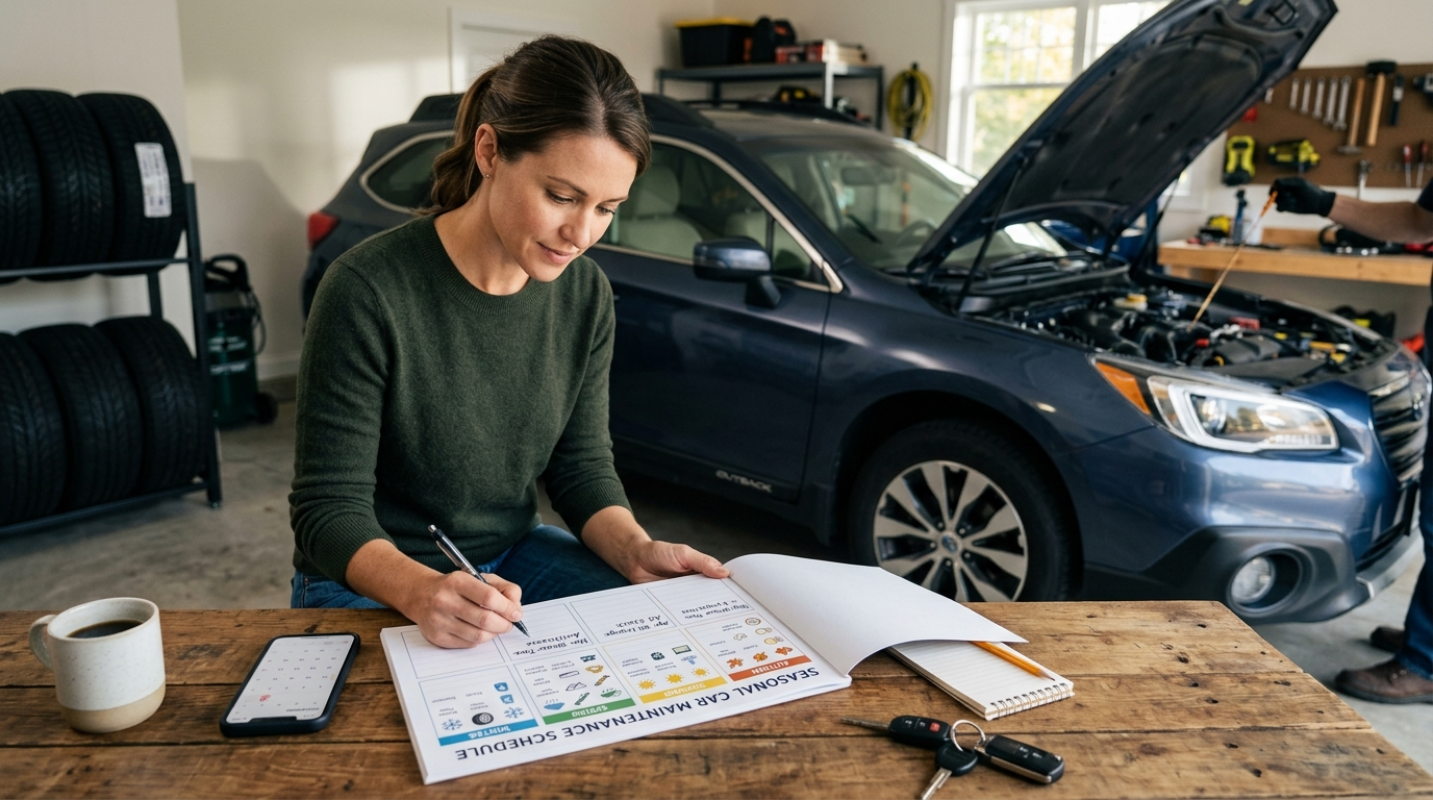
Rust prevention starts with sharp eyes and a proactive attitude. You need a regular visual inspection checklist, especially before and after the harsh winter months. You can’t wait for a huge orange patch to appear on your fender.
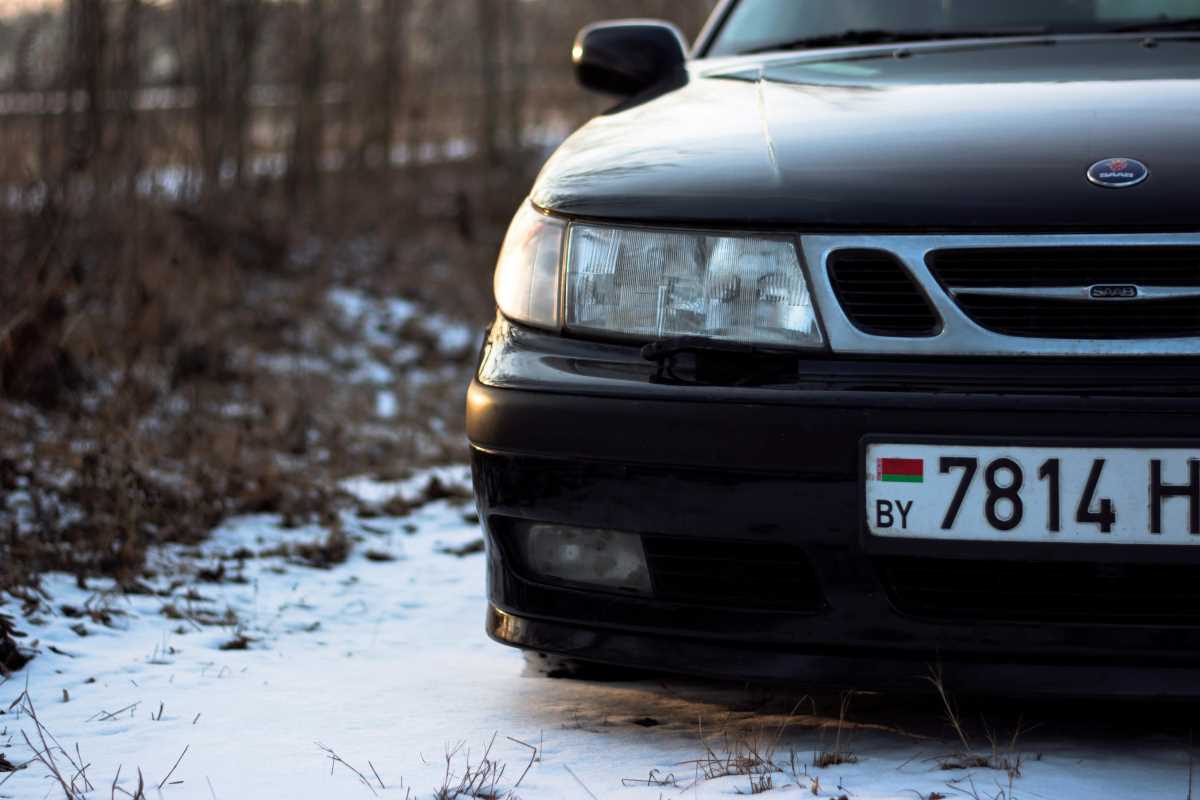
Focus your attention on the low-lying moisture traps. Check the wheel wells, especially the lip where the fender meets the tire. Look closely at the rocker panels (the body panels beneath the doors) and, most importantly, the undercarriage. That’s where salt spray and road debris hit hardest.
If you find a suspicious spot, test it. Use a simple tool like a refrigerator magnet. If the magnet sticks firmly, you likely have surface rust beneath the paint. If the magnet slides right off, the metal is gone, and you’re looking at deep corrosion that requires professional welding or panel replacement. If you spot bubbling around windshields or taillights, that’s often rust working its way out from the inside.
A key tip many people miss: Keep all vehicle drainage holes clear. If water and moisture can’t escape from the bottom of your doors or rocker panels, they sit there, accelerating corrosion from the inside out.
Immediate Action: Stopping Surface Rust in Its Tracks
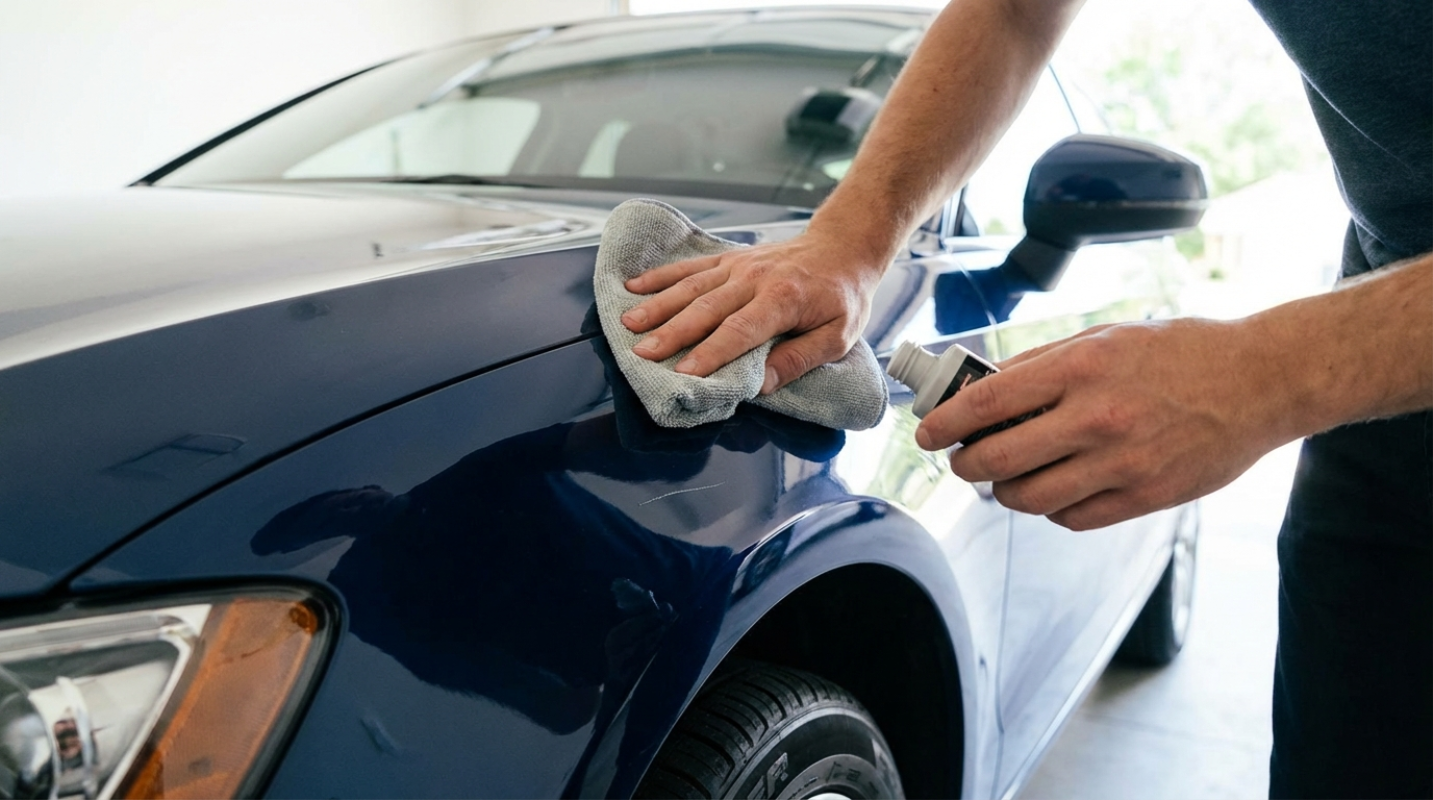
Catching rust early means you can handle the repair yourself and avoid the body shop bill. The goal of immediate action is to chemically stop the oxidation process and seal the metal completely.
- Prepare the Area: Clean the spot thoroughly, removing all grease and loose dirt.
- Sand Down: Use coarse sandpaper (around 80-grit) to aggressively remove all visible orange rust. Feather the edges into the surrounding healthy paint. You must expose clean, bare metal.
- Apply the Converter: This is the magic step. Apply a specialized rust converter or rust reformer. These products chemically transform active iron oxide into a stable, inert substance, often converting it into black magnetite. This stable layer is an ideal base for primer. Products like Corroseal or Rust-Oleum Rust Reformer are highly effective for this stage.
- Seal and Protect: Once the converter is dry, apply a high-quality primer, followed by color-matched paint, and finally, a clear coat. This multi-layered approach ensures long-term protection against moisture re-entry.
Advanced Maintenance: Protecting Vulnerable Areas Year-Round
Rust prevention isn’t a one-time fix; it’s ongoing maintenance. For vehicles in areas that use heavy road salt, prevention needs to be aggressive.
Experts recommend frequent washing, especially during winter months, with a heavy focus on flushing the undercarriage to remove salt and debris. But washing isn't enough; you need specialized protection.
The most effective modern defense is professional rust-proofing or undercoating. You have two main routes here
Undercoating Options
- Rubberized Undercoating: This provides a thick, durable barrier that resists abrasion. But be warned: if applied over existing rust or without meticulous preparation, it can seal moisture in, accelerating corrosion underneath.
- Lanolin-Based / Oil-Based Treatments: Products like Fluid Film are highly recommended by many experts. These coatings are non-hardening. They penetrate seams and joints, actively displacing existing moisture. They lubricate components and won’t crack or trap water, but they do require annual or semi-annual reapplication because they never fully dry.
Importantly, avoid parking on grass, soil, or gravel surfaces whenever possible. Moisture rises from the ground overnight, promoting corrosion on your exhaust system and suspension components. Park on concrete or asphalt to keep your undercarriage dry.
The Economic Case for Rust Maintenance
Why spend time crawling under your car? Because prevention is dramatically cheaper than repair.
Corrosion is a massive financial burden, accounting for nearly $50 billion in losses annually across the global automotive sector. When you address rust early, you can save up to 30% of potential maintenance and replacement costs down the road.
Think about what happens when rust takes hold. A small $50 repair involving sanding and a converter turns into a $3,000 welding job when the structural integrity of a fender or rocker panel is compromised. Plus, major rust damage instantly tanks the resale value of your vehicle. A well-preserved frame means a higher price when it’s time to sell.
The best defense is vigilance. Keep a can of rust converter and a wire brush ready, and commit to checking those vulnerable spots every season. For rust, procrastination is the most expensive mistake you can make.
.png)