 (Image via
There is almost nothing worse than getting into your car, turning the key or pushing the start button, and hearing absolute silence. No engine roar, no radio, just the sad realization that your car battery has decided to quit on you. It always seems to happen at the worst possible times, too—like when you’re already running late for school, trying to get to a first date, or stuck in a dark parking lot after a movie. Your car battery is the silent hero of your vehicle, providing the spark needed to wake up the engine and powering all those electronics we love, from the headlights to the sound system. But batteries aren't immortal; they have a limited lifespan, usually around three to five years. The good news is that you don't have to be a victim of a dead battery. With a little bit of knowledge and some simple habits, you can actually extend the life of your battery, saving yourself money on replacements and avoiding those stressful, stranded-on-the-side-of-the-road moments. Think of it like taking care of your phone battery—a little attention goes a long way.
Understanding the Battery Parasites
We all have that friend who drains our energy, and your car has them too. These are called parasitic drains, and they are silently killing your battery while you sleep. A parasitic drain happens when electrical components continue to draw power even after the engine is turned off. While a tiny amount of drain is normal to keep your clock running and your alarm system armed, anything more than that is a problem. Leaving your headlights on is the classic blunder, but interior lights, trunk lights, or even a glove box light that doesn't switch off can suck the life out of your battery overnight. Modern cars are full of chargers for phones and other gadgets. Leaving a GPS, a phone charger, or a dashcam plugged into the cigarette lighter or power outlet can sometimes continue to draw current even when the car is off. It’s a good habit to unplug your accessories when you park the car for the night. Double-checking that all your doors are closed tight and lights are off is a simple ritual that can save you from a dead battery in the morning.
The Danger of Short Trips
You might think that driving your car less is good for it, keeping the mileage low and the wear and tear to a minimum. But when it comes to your battery, short trips are actually a villain. Starting your engine takes a huge amount of power. Once the engine is running, the alternator takes over and recharges the battery, replenishing the energy used to start the car. However, this recharging process takes time. If you only drive for five or ten minutes to school or the grocery store, the alternator doesn't have enough time to fully recharge the battery. Over time, these frequent short trips leave the battery in a constant state of undercharge. This leads to a process called stratification or sulfation, which basically means the battery's internal chemistry gets messed up and it loses its ability to hold a charge. To combat this, try to take a longer drive—at least 20 to 30 minutes at highway speeds—once a week. This gives the alternator plenty of time to top off the battery and keep it healthy.
Keep It Clean and Corrosion-Free
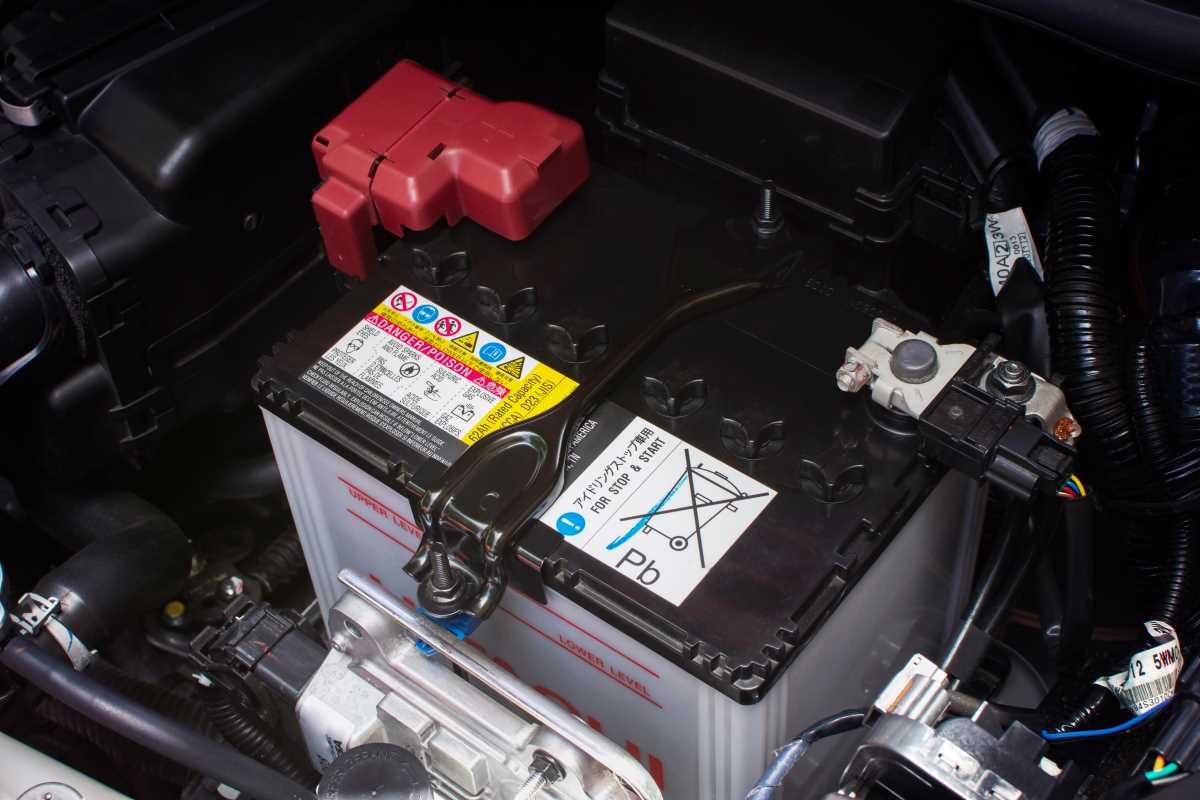
If you pop your hood and look at your battery, you might see some white, blue, or green crusty stuff building up around the metal terminals. This is corrosion, and it is the enemy of a good electrical connection. Corrosion adds resistance to the circuit, making it harder for the battery to deliver power to the starter and harder for the alternator to recharge the battery. It’s like trying to drink a milkshake through a really thin straw; the energy just can't flow freely. Cleaning this gunk off is a super easy maintenance task. You can mix baking soda and water to create a paste, then use an old toothbrush to scrub the terminals. The baking soda neutralizes the battery acid causing the corrosion. Just be sure to wear gloves and eye protection, because that crusty stuff is acidic and can irritate your skin. Once the terminals are shiny and clean, wipe them dry with a rag. Keeping these connections clean ensures your battery can do its job without fighting against unnecessary resistance.
Protecting Against Extreme Temperatures
Batteries are a lot like us—they don't like being too hot or too cold. Extreme temperatures are hard on battery chemistry. The scorching heat of summer is actually tougher on batteries than the cold of winter, even though we associate dead batteries with cold mornings. Heat causes the fluid inside the battery to evaporate, damaging the internal structure. It essentially cooks the battery from the inside out. While you can't control the weather, you can control where you park. In the summer, try to park in the shade or in a garage whenever possible to keep the under-hood temperature down. In the winter, parking in a garage can keep the battery slightly warmer, making it easier for it to start the engine. If you don't have a garage, you can even buy battery insulation kits or thermal wraps. These act like a little jacket for your battery, protecting it from the extreme heat of the engine and the freezing cold of the outside air.
Secure Your Battery Properly
It might sound silly, but a vibrating battery is an unhappy battery. If your battery isn't securely fastened in its tray, it can vibrate and shake while you drive. This vibration can damage the delicate internal components of the battery, leading to short circuits and a reduced lifespan. It can also cause the battery connections to loosen, which can create sparks or just a poor connection. Most cars have a hold-down bar or clamp that keeps the battery snug in its place. It's a good idea to grab the battery (when the car is cool and off) and give it a gentle shake. If it wiggles around, you need to tighten the hold-down clamp. It should be firm and immovable. This is especially important if you drive on bumpy roads or do any off-roading. Making sure your battery is strapped in tight is a simple mechanical check that protects the chemical magic happening inside the black box.
Testing Your Battery Regularly
You don't have to wait for your battery to die to know it's getting weak. Being proactive is the name of the game. Most auto parts stores will test your battery for free. They hook up a handheld tester that measures the battery's voltage and its "Cold Cranking Amps," which is a fancy way of saying how much power it can deliver to start the engine. This test can tell you if your battery is healthy, if it needs a charge, or if it's on its last legs and needs to be replaced. It's smart to get this done every time you get an oil change, or at least once a year as the battery gets older. If you're a DIY kind of person, you can buy a simple multimeter for relatively cheap. A fully charged automotive battery should read about 12.6 volts or higher when the engine is off. If it reads 12.4 volts or lower, it needs to be recharged. Catching a weak battery early gives you the chance to replace it on your own terms, rather than waiting for a tow truck in the rain.
Articles on affordableautomotiveservices.com are for informational purposes only and do not provide professional or legal advice. Consult an expert before making decisions. We are not responsible for actions taken based on this content.

.png)