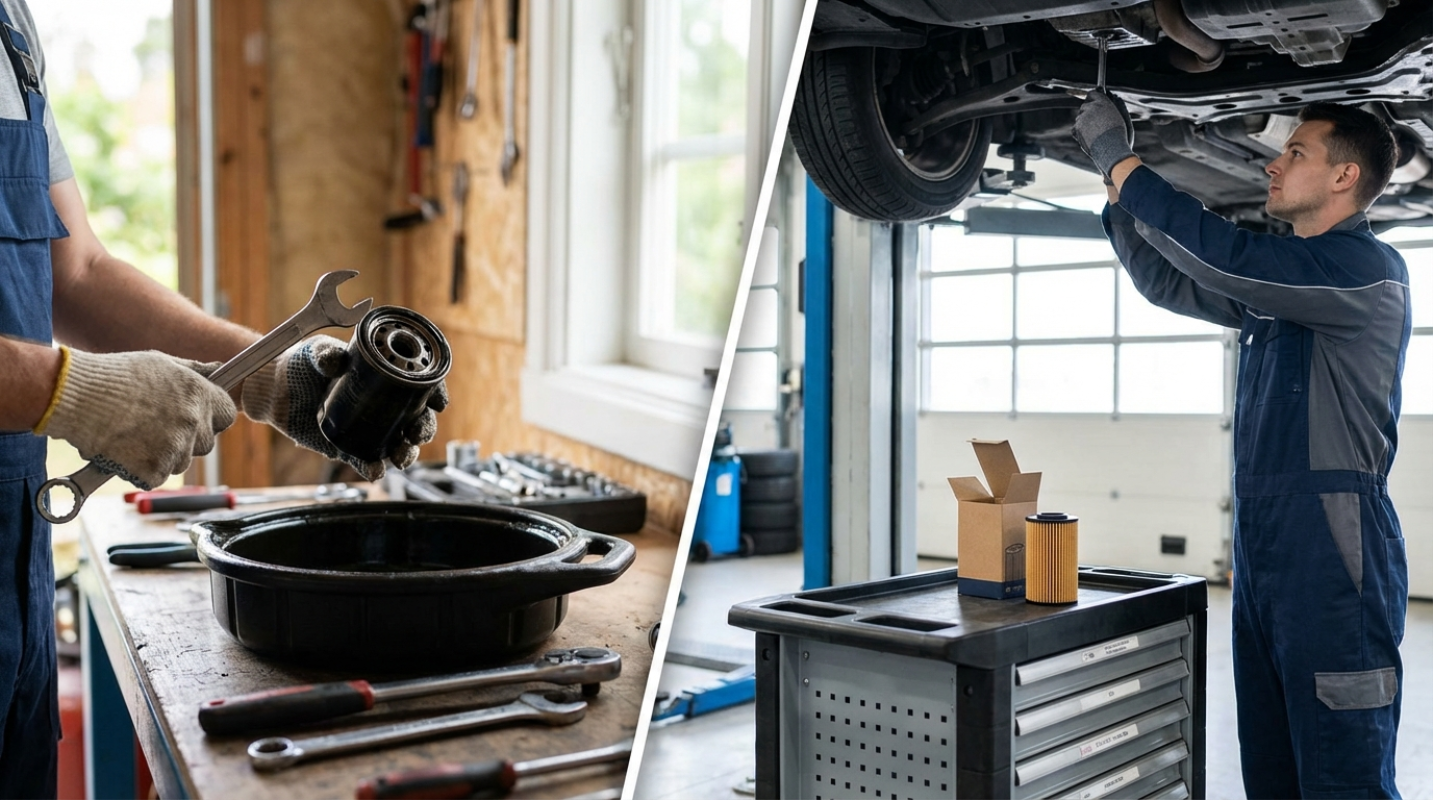
Mechanical precision defines the difference between a refined commute and a hazardous journey. While tires may appear as simple rubber components, they are integral to a high-speed suspension system that requires exact calibration. When the relationship between the wheels and the chassis shifts, the vehicle experiences increased friction, erratic handling, and accelerated wear. Mastering the distinction between wheel alignment and tire balancing is the primary strategy for maintaining a ride that feels effortless rather than exhausting.
Geometry of Wheel Alignment
Alignment refers to the adjustment of the vehicle's suspension—the system that connects the car to its wheels—rather than an adjustment of the tires themselves. The goal is to ensure the tires are parallel to each other and perpendicular to the road surface.
- Camber Specification: This is the inward or outward tilt of the tire when viewed from the front. Excessive "negative camber" (tilting inward) wears out the inside edge of the tread, while "positive camber" wears the outer edge. Proper camber ensures the entire width of the tire maintains contact during cornering.
- Toe Calibration: Viewed from above, "toe" is the direction the tires point. "Toe-in" means the fronts of the tires are closer together than the rears, similar to being pigeon-toed. This is the most common cause of "feathering," where the tread feels smooth in one direction but sharp in the other.
- Caster Stability: This side-view angle of the steering axis dictates steering wheel return and straight-line stability. While caster doesn't usually cause tire wear, a " caster split" (different angles on each side) will cause the car to pull toward the side with less positive caster.
- Impact of Road Hazards: A single encounter with a deep pothole or a concrete curb can instantly knock these sensitive angles out of factory specifications, requiring a digital alignment rack to correct.
Dynamics of Tire Balancing
Balancing addresses the weight distribution within the tire and wheel assembly. Because no tire or rim is perfectly symmetrical, small heavy spots create centrifugal force as the wheel spins.
- High-Speed Oscillations: At 60 mph, a typical tire rotates over 800 times per minute. Even an imbalance of half an ounce can cause the wheel to "hop" or vibrate, which is felt through the steering wheel or the vehicle's floorboards.
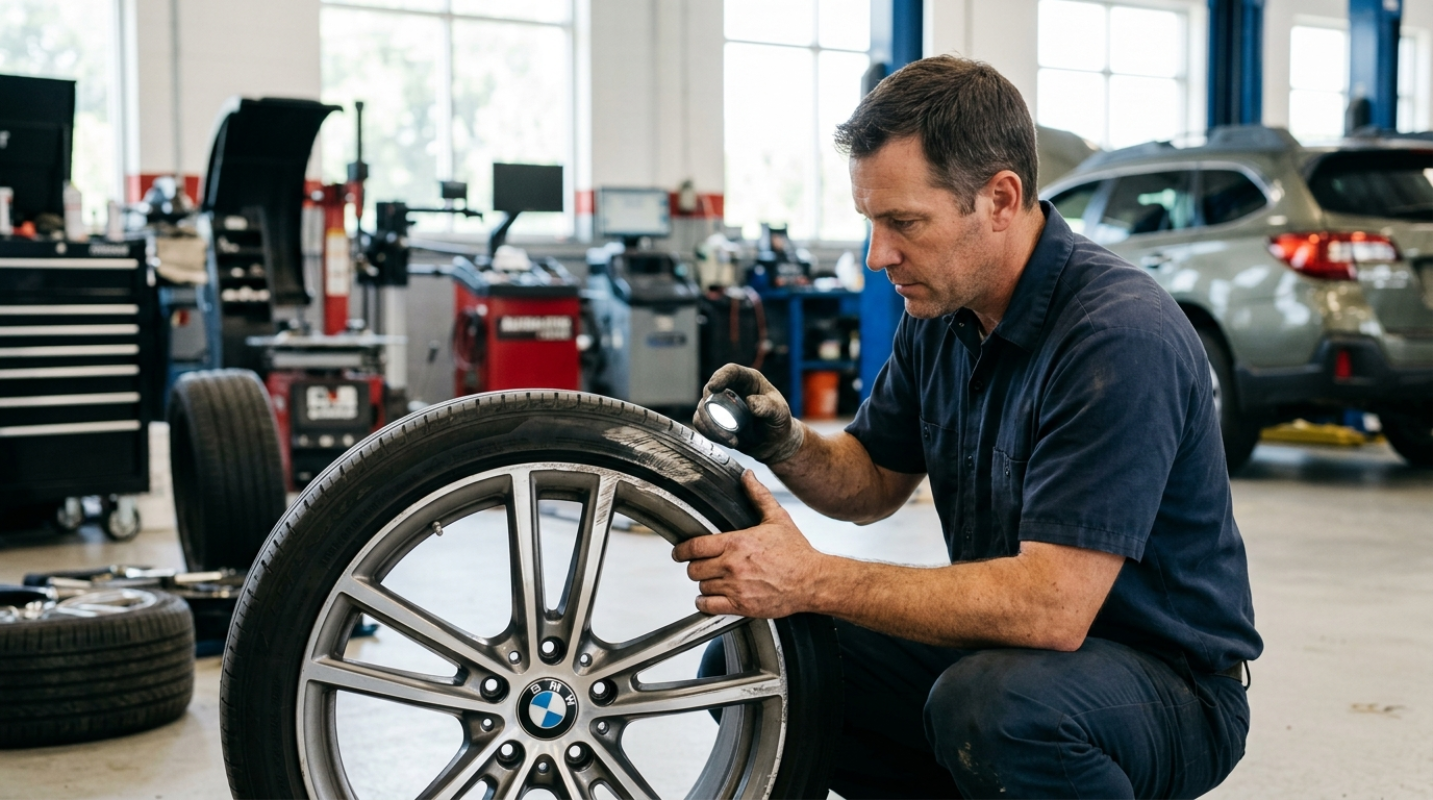
- Weight Compensation: Technicians use a computerized balancer to identify heavy spots. They then attach small lead or zinc weights to the rim's edge to offset the imbalance, creating a "zeroed" assembly that rotates without vibration.
- Speed-Specific Symptoms: Imbalance often manifests at specific speed ranges, typically between 50 and 70 mph. If the vibration disappears when you slow down or speed up, the issue is almost certainly a balance problem rather than an alignment one.
- Dynamic Wear Patterns: Unbalanced tires develop "cupping" or "scalloping," which are dips or bald spots around the circumference of the tread. Once this pattern begins, it creates a loud rhythmic noise that persists even after the tire is balanced.
Economic and Efficiency Incentives
Neglecting these "invisible" maintenance tasks results in a direct financial penalty through increased operating costs.
- Fuel Economy Gains: Misaligned tires create drag, forcing the engine to burn more fuel to maintain speed. Proper alignment can improve gas mileage by up to 10%, effectively paying for the service over a few months of driving.
- Suspension Preservation: Constant vibration from unbalanced wheels acts like a jackhammer on your car’s hardware. It prematurely wears out expensive wheel bearings, shock absorbers, and tie-rod ends.
- Tire Life Extension: A set of tires that should last 50,000 miles can be destroyed in fewer than 15,000 miles by bad alignment. Considering the average price of a tire set in 2026, this is a significant loss of capital.
- Braking Performance: Properly aligned wheels ensure that when you slam on the brakes, the car stops in a straight line rather than veering toward the shoulder or into oncoming traffic.
Maintenance Thresholds and Costs
Staying proactive with these services prevents minor deviations from becoming major repair bills.
- Alignment Intervals: Schedule a check every 12 months or 10,000 miles. In 2026, the national average for a four-wheel alignment ranges between $100 and $170, depending on the complexity of the vehicle's suspension.
- Balancing Frequency: Tires should be balanced every time they are rotated, which is typically every 5,000 to 7,500 miles. Many shops offer "lifetime balance" packages when you purchase new tires.
- New Tire Protocol: Never drive on new tires without a fresh alignment. New rubber has the most tread depth and is the most susceptible to "scrubbing" if the angles are incorrect.
- Diagnostic Indicators: If the steering wheel is off-center while the car is moving straight, or if the car "drifts" toward the ditch when you loosen your grip, do not wait for the next scheduled service.
Advanced Steering Diagnostics
Modern vehicles with Electronic Power Steering (EPS) can sometimes "mask" alignment issues by automatically compensating for a pull.
- The Visual Walkaround: Once a month, turn your wheels all the way to one side and inspect the tread. If the inner edge is significantly more worn than the outer edge, your suspension is failing.
- The Shake Test: If you feel a vibration in your seat but not the steering wheel, the issue is likely in the rear tires. If the steering wheel itself shakes, the problem is in the front assembly.
- The Hands-Off Test: On a flat, empty road, briefly release the steering wheel. The car should track straight for at least several seconds. If it immediately veers, the alignment requires professional attention.
By prioritizing these precision adjustments, you protect the mechanical foundation of your vehicle. A car that is perfectly balanced and aligned is not just more comfortable; it is more efficient, safer, and cheaper to own over the long term.
Disclaimer: This guide is intended for informational and educational purposes only. Specific maintenance intervals and torque specifications vary by vehicle make and model. Always refer to your owner's manual or consult with a certified technician before performing or authorizing mechanical work on your vehicle.

.png)