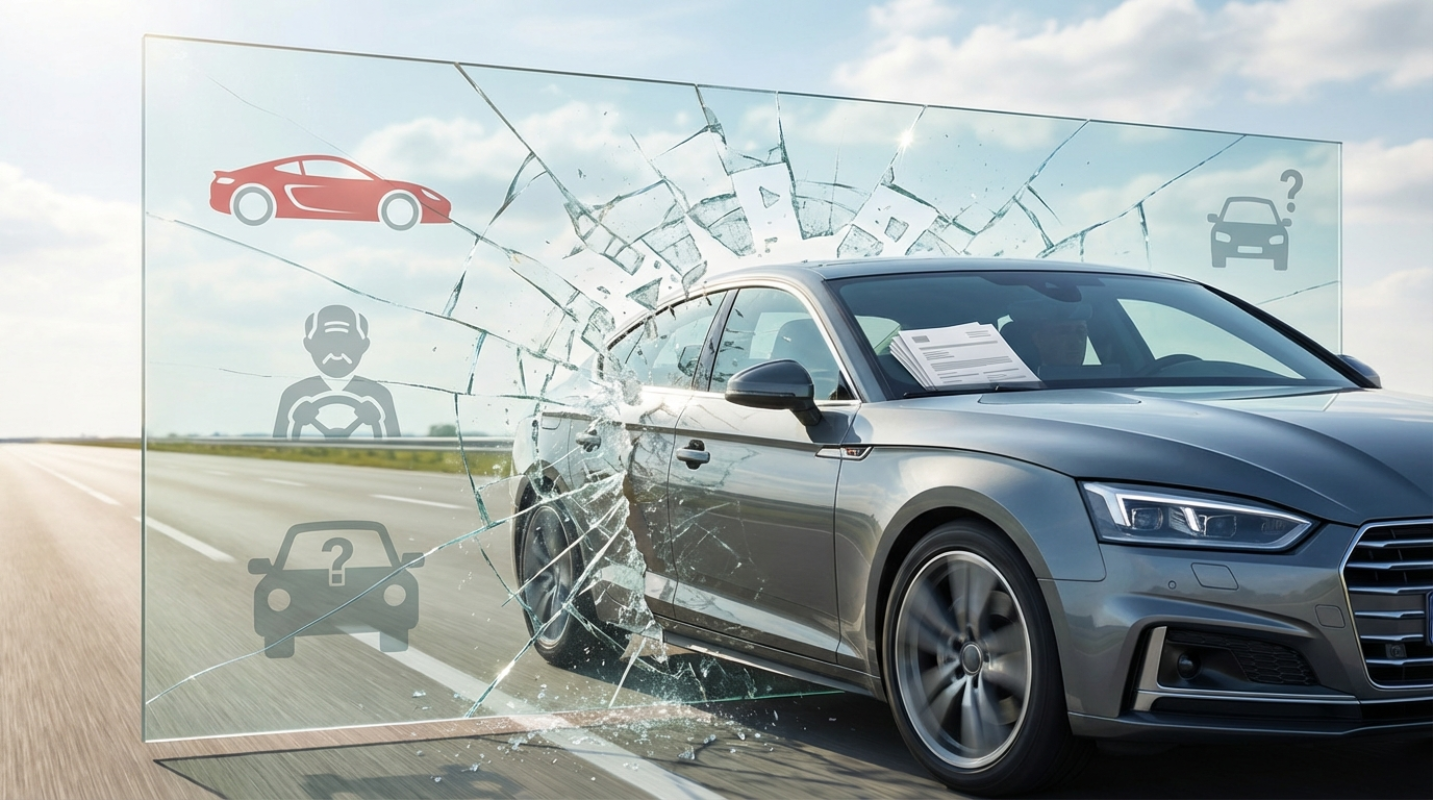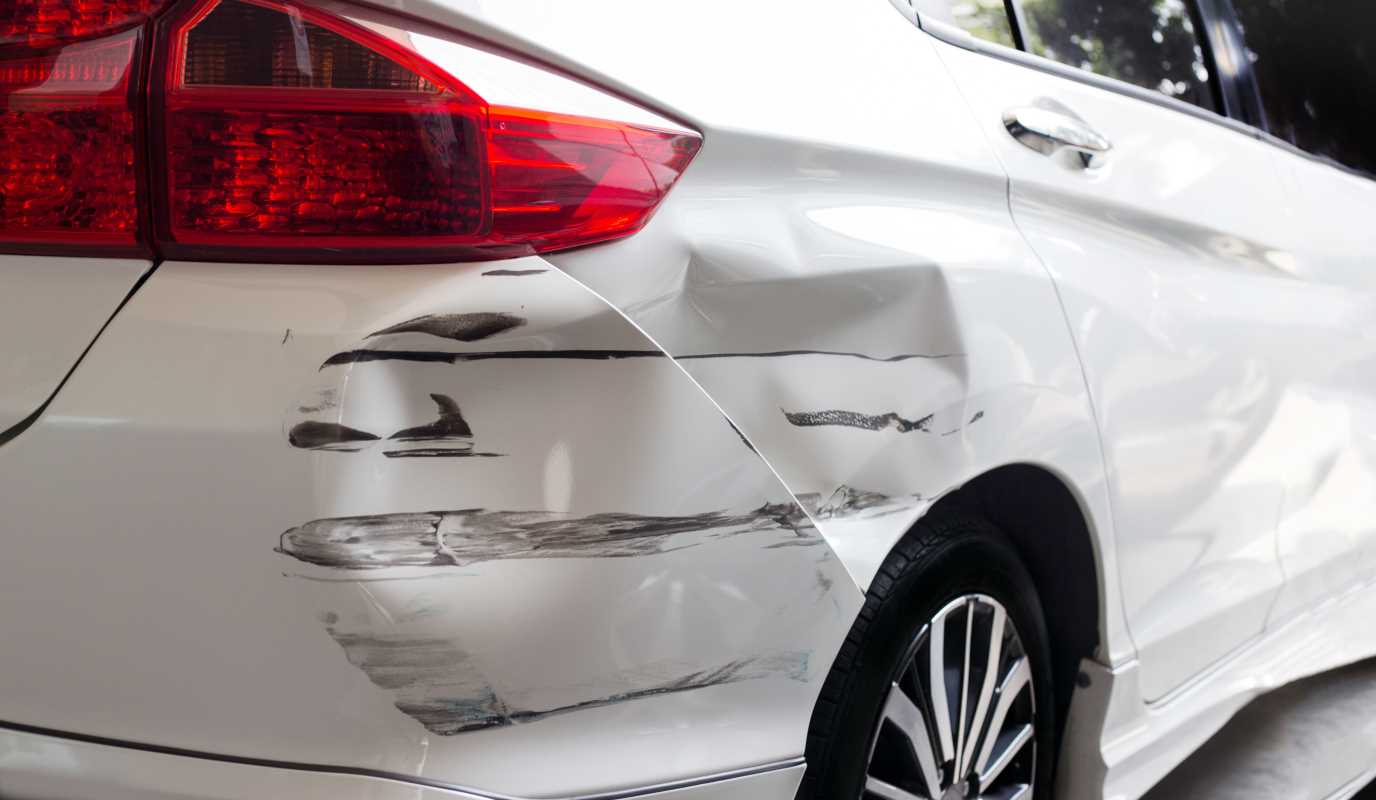
It is one of the most frustrating and infuriating things that can happen to a driver. You are sitting at a red light, minding your own business, when suddenly you feel a jolt from behind. You look in your rearview mirror just in time to see the other car swerve around you and speed off down the road. Or maybe you walk out to the school parking lot to find a massive new dent in your door and a note that is conspicuously absent. A hit-and-run accident leaves you feeling angry, helpless, and completely baffled. Not only do you have to deal with the damage to your car, but the person responsible has vanished, leaving you to clean up their mess. It can feel like you have been left with no options, but that is not true. Knowing the right steps to take immediately after the incident and understanding how your own insurance policy can step in to help is the key to taking control of a bad situation.
Your First Moves After the Hit
The moments right after a hit-and-run are chaotic, but what you do next is incredibly important. Your first priority, as always, is safety. Check to see if you or any passengers are injured. If so, call 911 immediately. Even if everyone feels okay, you must call the police to report the incident. A police report is not just a formality; it is a critical piece of evidence for your insurance claim. It officially documents that a crime occurred and that the other driver is unknown. Without it, your insurance company might be skeptical of your story.
While you are waiting for the police, switch into detective mode. Try to remember and write down every single detail you can about the other car and driver, no matter how small. What was the car's color, make, and model? Did you get a partial license plate number? Was there anything distinctive about it, like a roof rack, a bumper sticker, or noticeable damage? Also, look around for witnesses. Did anyone at the bus stop or in the car next to you see what happened? Get their names and phone numbers. Their testimony can be invaluable. Finally, use your phone to take pictures of the damage to your car and the surrounding scene before you move your vehicle.
The Coverage That Becomes Your Hero
After you have reported the crime, it is time to turn to your own insurance policy. Since the at-fault driver is long gone, you cannot file a claim against their insurance. This is where your own coverage has to step in, but only if you have the right types. The most important coverage in a hit-and-run situation is Uninsured Motorist Property Damage (UMPD). This coverage is specifically designed for this exact scenario. It pays for the repairs to your car when you are hit by a driver who is uninsured or, in this case, cannot be identified. It acts as a substitute for the insurance the other driver should have had.
If you do not have UMPD, your next best option is your Collision coverage. Collision coverage pays to repair your car after an accident, regardless of who is at fault. Since the "who" is a mystery here, you can use your collision policy to get your car fixed. The downside is that you will have to pay your deductible, which you usually wouldn't have to do if the other driver was found and deemed at fault. It is not a perfect solution, but it is much better than paying for the entire repair bill yourself.
What About Your Injuries?
The damage to your car is one thing, but what if your neck or back starts to hurt a day after the accident? If you have been physically injured in a hit-and-run, you will need a different type of coverage to pay for your medical bills. This is where Uninsured Motorist Bodily Injury (UMBI) coverage comes into play. It covers your medical expenses, lost wages if you cannot work, and pain and suffering when you are injured by a driver with no insurance or one who flees the scene.
Some states also have Personal Injury Protection (PIP) or Medical Payments (MedPay) coverage, which can be used to cover your initial medical costs regardless of who is at fault. These can be lifesavers for getting immediate treatment without having to worry about how you are going to pay for it. Having UMBI and PIP or MedPay on your policy provides a crucial safety net for your health and well-being.
Will Your Rates Go Up?
The biggest fear for many drivers after a hit-and-run is that filing a claim on their own policy will cause their insurance rates to skyrocket. In most states, this is not the case. Since you were the victim of a crime and not at fault for the accident, your insurer is generally prohibited by law from raising your premiums for filing an uninsured motorist or not-at-fault collision claim. You are being penalized for something that was completely out of your control. This is why a police report is so vital; it proves your innocence in the situation. It allows you to use the benefits you have been paying for without the fear of being punished for being in the wrong place at the wrong time.
Articles on affordableautomotiveservices.com are for informational purposes only and do not provide professional or legal advice. Consult a licensed insurance expert before making decisions. We are not responsible for actions taken based on this content.