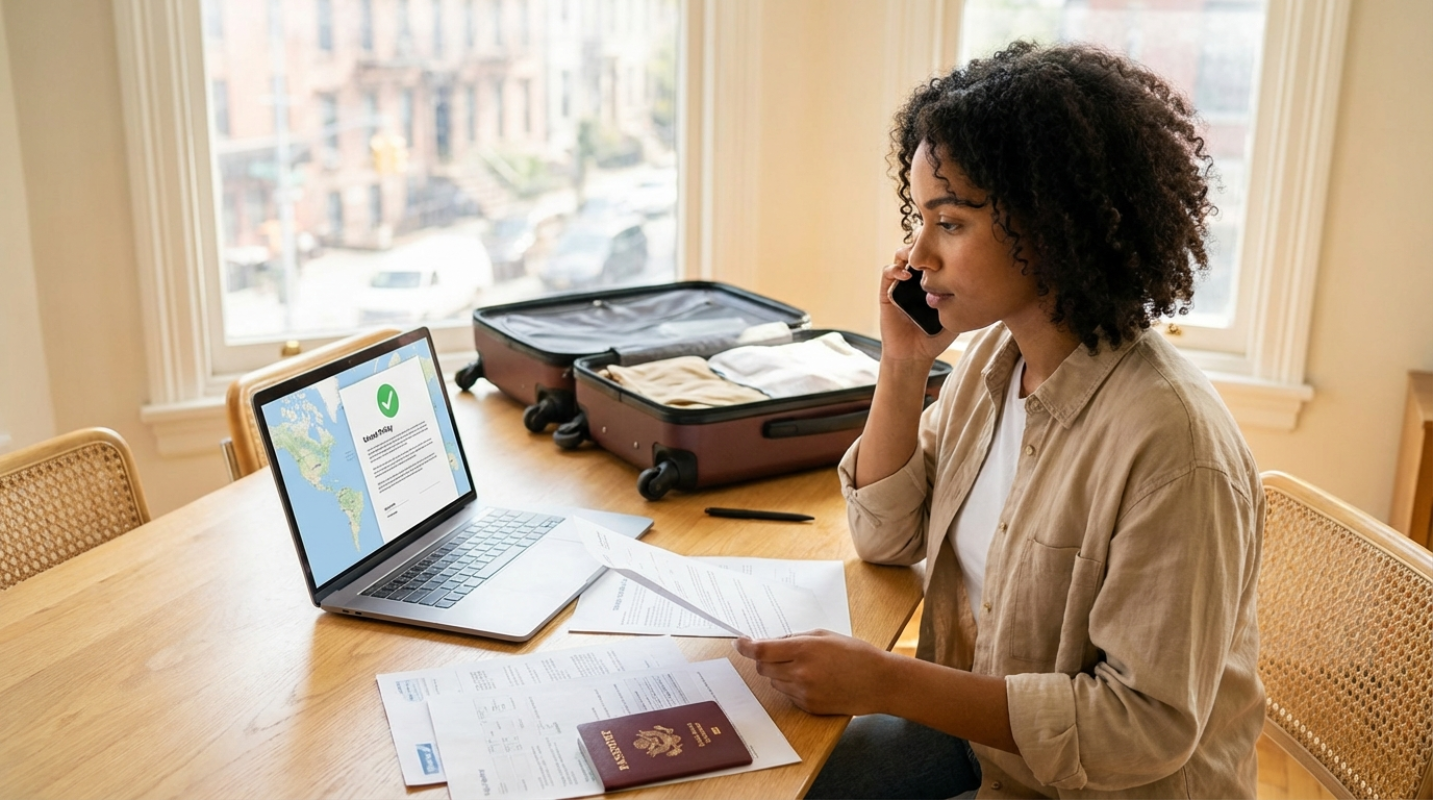
Planning a trip to another country is easily one of the most thrilling things you can do. Your mind is probably racing with visions of trying exotic street food, exploring ancient ruins, or just lounging on a beach that looks like it belongs on a postcard. You are busy making packing lists, checking your passport expiration date, and figuring out which cool outfits will look best on your Instagram feed. It is a whirlwind of excitement and anticipation. But in the middle of all that daydreaming about adventures and souvenirs, there is a very uncool but critically important detail that often gets left behind on the tarmac: your insurance coverage. It is definitely not the most glamorous part of travel planning. Nobody gets hyped up about reading policy documents while sipping an overpriced airport coffee. However, taking a few minutes to verify your coverage before you board that plane is the only way to ensure that a sudden accident or fender bender in a foreign land doesn't turn your dream vacation into a financial nightmare that follows you home.

The "Domestic Only" Reality Check

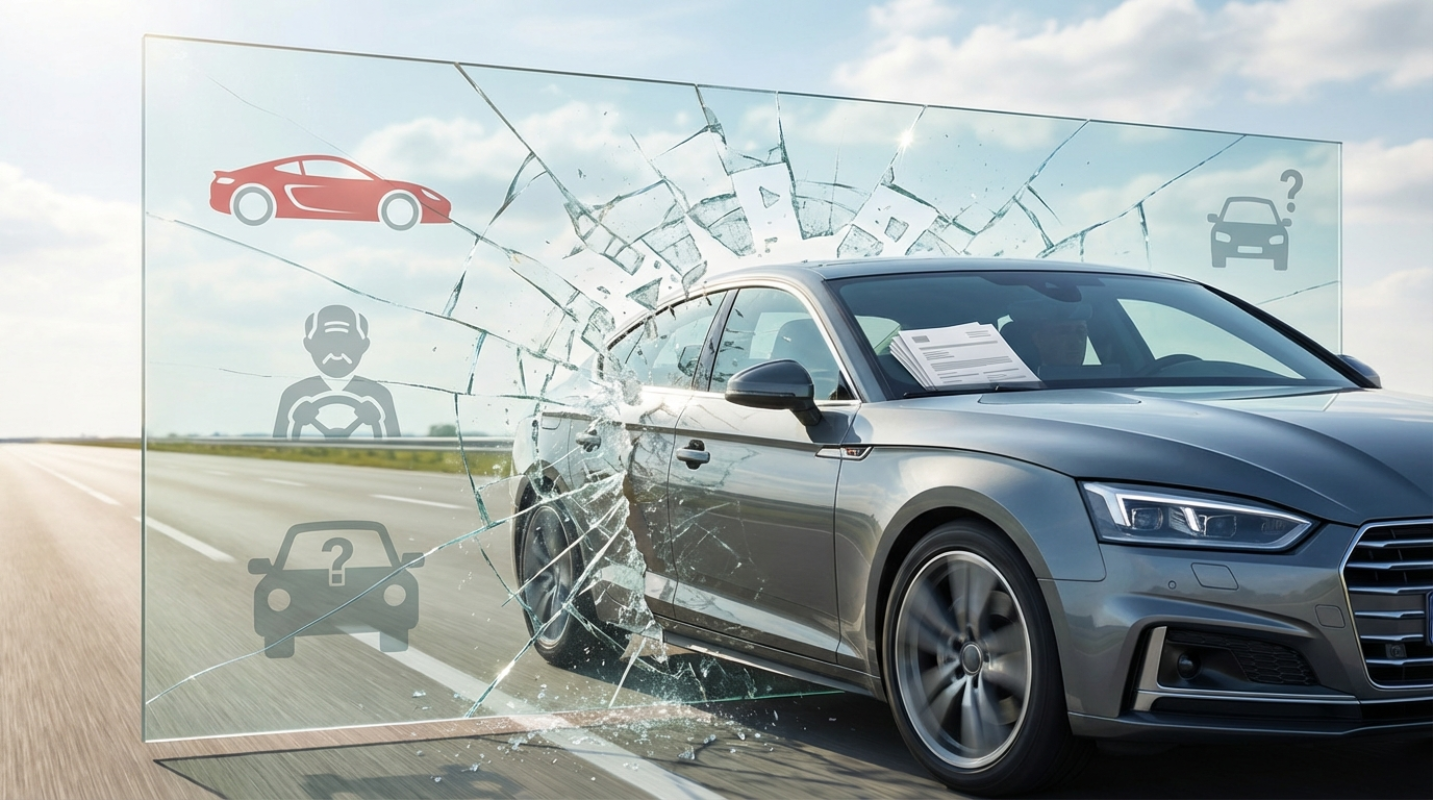
The first thing you need to realize is that your standard car insurance policy is a bit like a homebody—it rarely likes to leave the country. Most auto insurance policies issued in the United States are only valid within the United States, its territories like Puerto Rico, and usually Canada. That is pretty much it. The moment you cross the border into Mexico or hop on a flight to Europe, your trusty insurance card becomes just a useless piece of plastic.

Many travelers make the dangerous assumption that "full coverage" means "global coverage." This is a huge mistake. If you rent a car in Italy or decide to drive your own truck down to Baja for a surf trip without checking your policy first, you are effectively driving without a safety net. If you get into an accident, you could be personally responsible for thousands of dollars in damages, legal fees, and medical bills. In some countries, driving without valid local insurance is actually a crime that can land you in jail or get your vehicle impounded. Before you even pack your suitcase, you need to pull out your policy or call your agent to ask specifically about "territorial limits." Knowing exactly where your coverage stops gives you the power to make a plan for filling in the gaps.

The Rental Car Conundrum

For most high school students and young travelers, driving abroad usually means renting a car. This opens up a whole new can of worms. When you walk up to the rental counter in a foreign country, the agent is going to try to sell you their own insurance package. It usually costs a fortune, sometimes doubling the daily rate of the rental. Your instinct might be to say "no thanks" to save money, especially if you are used to relying on your parents' insurance back home.

However, since your domestic policy likely doesn't apply overseas, you have to be very careful. You need to verify if the credit card you used to book the rental offers any protection. Many premium credit cards provide "secondary" rental car insurance, which covers damage to the vehicle itself (collision) but usually does not cover liability (damage you cause to others). This is a crucial distinction. You might be covered if you scratch the bumper of your rental, but if you hit another car, your credit card won't pay a dime for the other driver's repairs or injuries. In many cases, buying the rental company's liability insurance is the smartest, safest move, even if it hurts your wallet in the short term. It buys you peace of mind so you can navigate those confusing roundabouts without panicking.

Medical Coverage is a Must

It is not just about the car; it is about you. If you get into a car accident abroad, you also have to think about medical bills. Your regular health insurance from back home might not work overseas, either. Imagine breaking your leg in a minor scooter crash in Thailand or needing stitches after a fender bender in France. Without the right coverage, hospitals in some countries might demand upfront cash payment before they even treat you.

This is where travel insurance becomes your best friend. Travel insurance is a separate policy you buy specifically for your trip. It acts like a temporary shield that covers medical emergencies, evacuations, and sometimes even rental car excess. Before you go, look specifically for a travel insurance plan that includes "emergency medical benefits" and "medical evacuation." Medical evacuation is particularly important because if you are seriously injured in a remote area, the cost of a helicopter ride to a major hospital can be astronomical—sometimes costing more than a luxury car. Verifying that you have this medical safety net means you can enjoy your adventures knowing that if things go sideways, you won't be stuck with a medical bill that takes ten years to pay off.

Crossing Borders by Land

If you are planning a road trip that involves driving your own car across a border, specifically into Mexico, you need to be extra vigilant. Mexico does not recognize American auto insurance policies. It is a strict rule. Even if your U.S. policy says it covers you within a certain distance of the border, Mexican authorities may not accept it if you are involved in a serious accident. Under Mexican law, an accident is considered a civil and criminal matter. If you cannot prove you have valid insurance from a Mexican company, the police can detain you until financial responsibility is established.

To avoid spending your vacation in a holding cell, you must purchase a specific "Mexico tourist auto insurance" policy before you cross the border. There are plenty of agencies near the border crossings and online that sell these policies by the day or week. They are relatively affordable and provide the legal documentation you need to show the police if anything happens. The same logic applies if you are driving further south into Central America. Every time you cross a border, you need to stop and verify the insurance requirements for that specific country. Never assume that one policy fits all; borders are real boundaries for laws and insurance coverage.

The International Driving Permit

While verifying your insurance, you should also verify your legal right to drive. Your U.S. driver's license is valid in many countries for short visits, but not all of them. Some countries require you to have an International Driving Permit (IDP) in addition to your regular license. An IDP is basically a translation of your license into ten different languages. It doesn't give you any extra driving privileges, but it allows foreign police officers and rental agencies to read your credentials.

If you get into an accident and you don't have an IDP in a country that requires one, your insurance company might use that as an excuse to deny your claim. They could argue that you were not legally allowed to drive, therefore the policy is void. Getting an IDP is super easy and cheap—you can usually get one at an automobile club office like AAA for a small fee and two passport photos. It is a small piece of paper that acts as a big insurance policy against bureaucratic headaches. Checking if your destination requires one takes five minutes on Google, but having it in your pocket can save you hours of arguing with local authorities.

Document Everything Digitally

Once you have done the hard work of verifying your coverage and buying the necessary extra policies, you need to make sure you can actually access that information when you need it. Carrying paper copies is great, but papers get lost, wet, or crumpled at the bottom of a backpack. Before you leave, take clear photos of your domestic insurance card, your passport, your driver's license, your IDP, and any travel or rental insurance policies you bought.

Upload these photos to a secure cloud service like Google Drive or Dropbox, and also keep them stored locally on your phone so you can see them even without Wi-Fi. Create a "In Case of Emergency" document on your phone with the international phone numbers for your insurance providers. Remember that 1-800 numbers often don't work from abroad, so you need the direct local or collect-call numbers. Being organized means that if the worst happens, you aren't scrambling. You can calmly pull out your phone, show the police your valid coverage, call the right people, and get back to enjoying your vacation as quickly as possible.