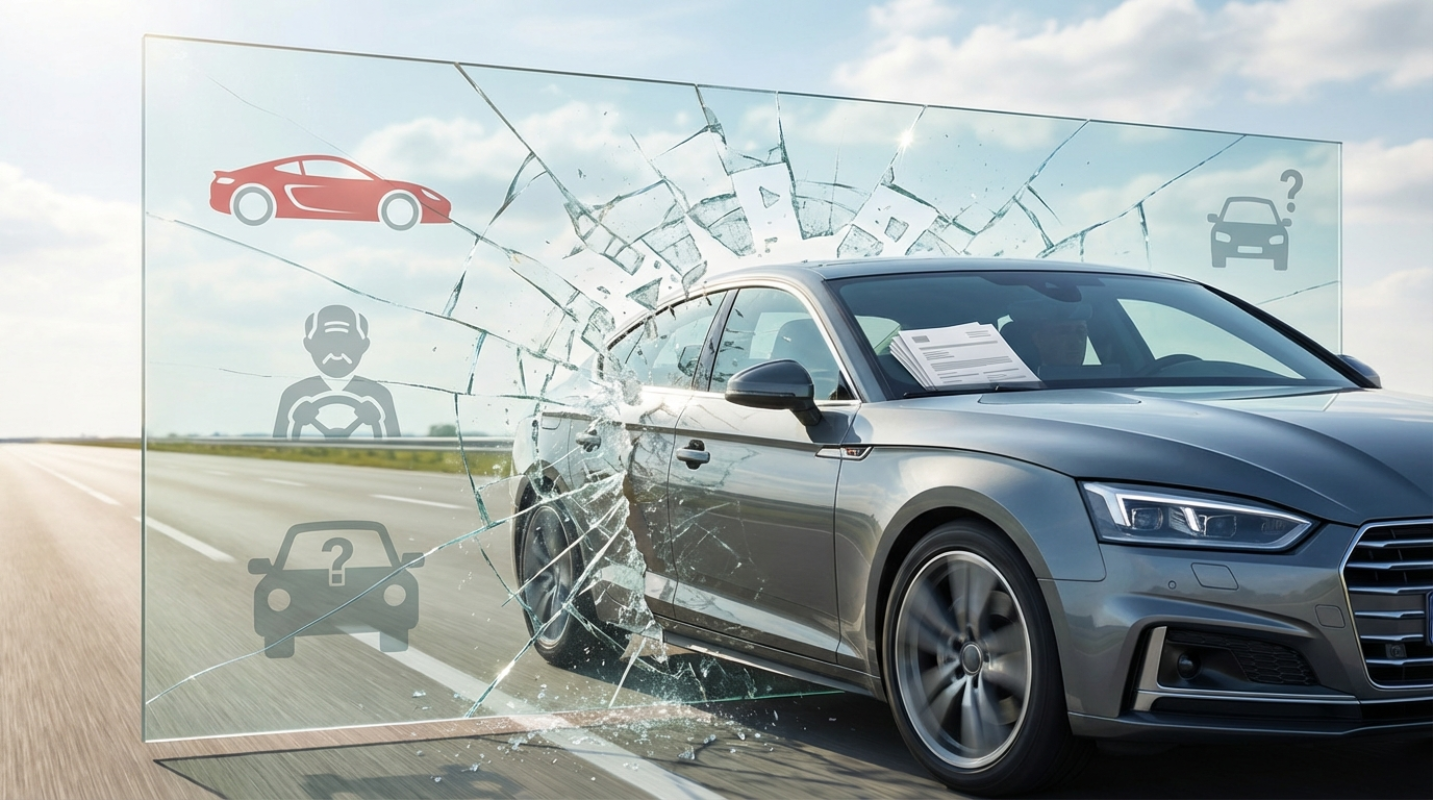
For most drivers, car insurance feels like a necessary evil—a complex, expensive product governed by rules we don’t fully understand. Because the industry relies on risk assessment and actuarial science, the pricing models aren't always intuitive. This confusion breeds misconceptions. Sound familiar? Operating on these outdated or simply incorrect assumptions can be costly. You might be paying too much for coverage you don’t need, or worse, you could be importantly underinsured when disaster strikes. In 2026, with the average cost of full coverage projected to exceed $2,000 annually, knowing exactly where your money goes is more important than ever. We’re here to debunk the ten most persistent car insurance myths that could be draining your wallet or leaving you exposed.
Myths Related to Coverage and Claims
Myth 1: If you have a clean record, you’ll always get the best rates
Busted: Although a clean driving record is paramount, it is only one piece of the puzzle. Insurers assess risk based on dozens of variables, many of which you can't control.
Your location (specifically, your ZIP code’s claim history), the type of vehicle you drive (is it expensive to repair?), and even the current market competition in your state play massive roles. Rates are increasing across the board due to higher repair costs and claim severity, meaning even the safest drivers are seeing premium hikes. Don't assume your perfect record guarantees the lowest price—it just means you’re eligible for the best rates available to someone in your specific risk category.
Myth 2: Red cars cost more to insure
Busted: This is one of the oldest and most persistent myths, and it’s completely false.
The color of your vehicle has zero impact on your insurance premium. Insurers care about the cost of the hardware, not the shade of the paint. They look at things like engine size, the vehicle's safety ratings, and the statistical likelihood of that model being stolen. If a red sports car costs more than a blue sedan, it’s because it’s a sports car with a high-powered engine and expensive parts, not because of its active hue.
Myth 3: Complete coverage is only for new cars
Busted: Complete coverage protects your vehicle against non-collision incidents like theft, vandalism, fire, hail, and extreme weather.
Many drivers drop this coverage when their car ages to save money, assuming the car’s low value doesn't justify the premium. But complete coverage is needed, especially if you live in an area prone to severe weather or high crime. Losing your $5,000 car to a flood or having it stolen is still a significant financial hit, and complete coverage protects that asset.
Myth 4: Filing a claim automatically means your rates will skyrocket
Busted: Not necessarily. The impact of a claim depends heavily on fault and frequency.
If you are involved in a not-at-fault accident, the rate increase is usually minimal or non-existent, especially if the insurer successfully recovers costs from the other driver’s policy. But filing multiple claims—even minor ones where you weren't at fault—can still signal to an insurer that you are a high-risk client, regardless of who caused the damage. It’s always smart to consult your agent before filing a very small claim, just to understand the potential long-term effect on your insurance score.
Myths About Shopping and Discounts
Myth 5: Staying with the same insurer always saves you money
Busted: Loyalty is often penalized, not rewarded. Insurers frequently offer their most aggressive discounts and best rates to new customers to lure them away from the competition.
If you haven’t shopped around in two or three years, you are almost certainly overpaying. Rates vary significantly from company to company because each uses a different proprietary algorithm to calculate risk. The company that gave you the best rate five years ago may not be the cheapest today. Make it an annual habit: review your policy and compare quotes.
Myth 6: Liability-only coverage is sufficient for everyone
Busted: Although minimum liability coverage meets state legal requirements, it is rarely enough to provide true financial protection. Liability only covers the damages and injuries of the other party if you cause an accident.
If you have significant assets—a house, savings, investments—and you cause a serious crash, the state minimums (which can be as low as $25,000 for injuries per person in some states) will be quickly exhausted. The injured party can then sue you personally for the difference. Experts strongly advise purchasing much higher limits to protect your financial future.
Myth 7: You must have the highest coverage limits available
Busted: You need adequate coverage, which isn't always the highest possible limit. The key is balancing protection with affordability.
If you have high liability limits on your auto policy (say, $250,000 per person/$500,000 per accident), you may not need to raise them higher. Instead, consider purchasing an umbrella policy. An umbrella policy sits atop your auto and homeowners insurance, providing an extra $1 million or more in liability protection for a fraction of the cost of getting the most from your underlying auto policy limits.
Want to lower your premium immediately? Raising your deductible is an efficient approach. Increasing your deductible by just $500 can reduce your annual premium by 20% to 25%.
Myths About Driving Status and Policy Details
Myth 8: If my teen driver moves out, I can immediately remove them from my policy
Busted: This is a tricky one, and removing a household member prematurely can lead to a denied claim.
If your college student attends school far away and doesn't use your vehicle, you may be able to list them as a "distant student" or "excluded driver," which lowers the premium. But if they still use your home address as their primary residence, or if they drive the car when they visit during breaks, they must remain on the policy. If they are removed and cause an accident while visiting, your insurer will likely deny the claim because they were an unlisted household resident. Always check the insurer's specific definition of a household member.
Myth 9: If I drive for a rideshare service, my personal policy covers me
Busted: Absolutely not. This is one of the most dangerous gaps in coverage today.
Your personal auto policy explicitly excludes commercial activity, including driving for Uber or Lyft. Although rideshare companies provide some liability coverage, there is a important gap—the time between when you turn the app on and when you accept a ride. If you are waiting for a fare and get into an accident, your personal policy won't pay, and the rideshare company’s insurance might not kick in yet. You must purchase a rideshare endorsement or a specific commercial policy to close this gap.
Myth 10: My insurance automatically covers me if I drive a rental car
Busted: Your personal auto insurance generally follows you when you rent a car, but only up to its existing limits. This is a common point of confusion.
The real danger is that your policy won't cover the rental company’s loss-of-use fees (the money they lose while the damaged vehicle is in the shop) or administrative fees. Rental companies often demand you pay for these extras. If you don't have adequate coverage through a premium credit card or a specific rental reimbursement add-on, buying the rental company’s damage waiver might be necessary to avoid these out-of-pocket costs.
Articles on affordableautomotiveservice.com are for informational purposes only and do not provide professional or legal advice. Consult a licensed insurance expert before making decisions. We are not responsible for actions taken based on this content.