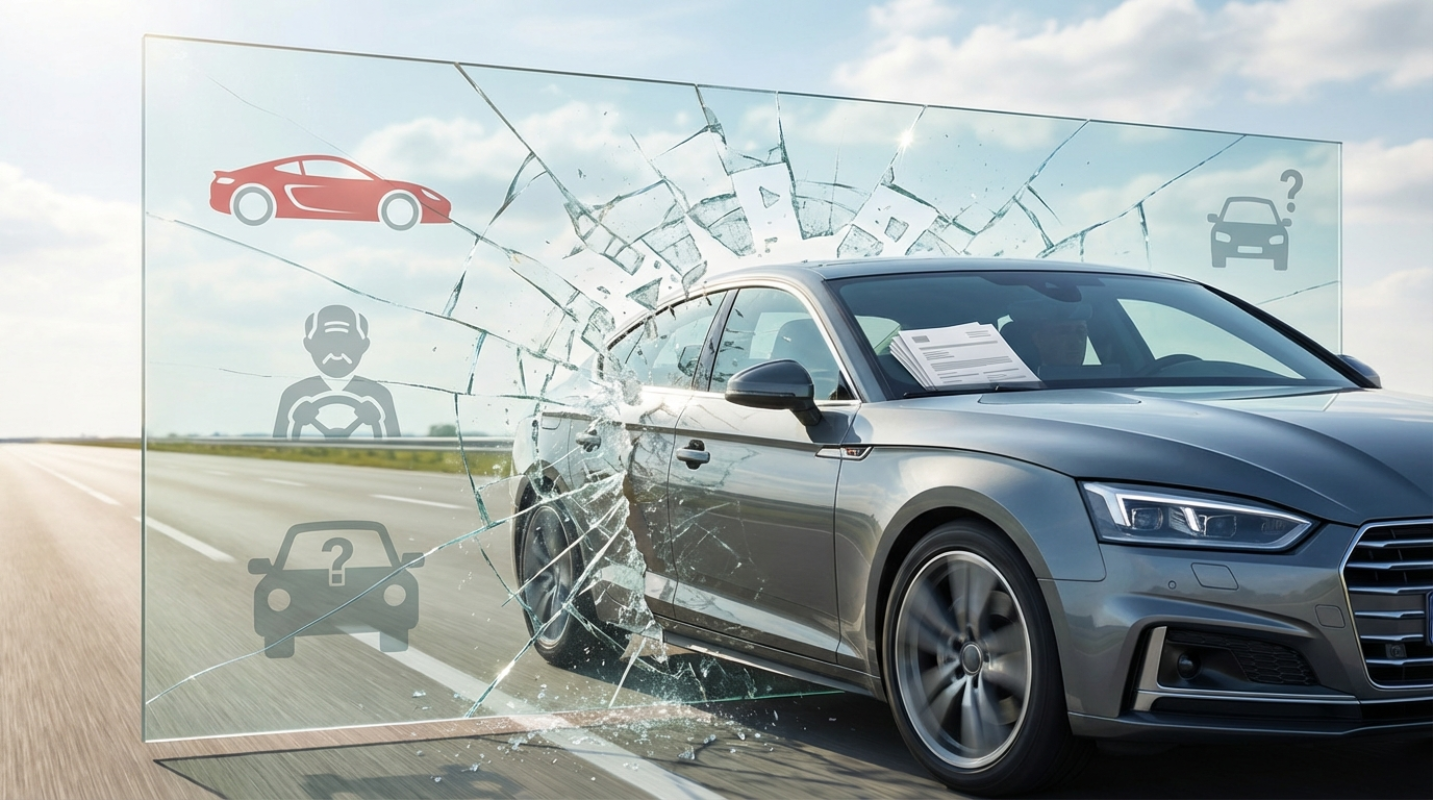
Acquiring a fresh vehicle represents a significant milestone and a substantial allocation of capital. The experience of the first drive, the pristine interior, and the mechanical perfection of a new machine are unmatched. Most owners spend months analyzing specifications, securing financing, and selecting the ideal model to suit their lifestyle. However, a hidden fiscal vulnerability exists that many ignore until a collision occurs. This vulnerability is the discrepancy between the market value of the car and the balance of the loan. If a total loss occurs, an owner could find themselves without transportation while still being legally obligated to pay thousands to a lender. Specialized coverage serves as a shield against this specific scenario, ensuring that a physical accident does not evolve into a long-term debt crisis.
Mechanics of Market Value Erosion
The secondary market dictates what a vehicle is worth, and that number drops the second the tires hit public pavement. This rapid decline in worth is a fundamental reality of the automotive industry.
- Immediate Percentage Drops: Statistics show that a new vehicle loses approximately 10% of its value the moment it leaves the dealership. By the end of the first twelve months, that figure often reaches 20%. This is not a reflection of the car's quality but rather the shift from "new" to "used" status in the eyes of lenders and buyers.
- Loan Amortization vs. Worth: In the early stages of a 72-month loan, the monthly payments primarily cover interest rather than the principal balance. Meanwhile, the car is losing value every mile. This creates a situation where the debt remains high while the asset's value plummet.
- High-Depreciation Models: Certain luxury sedans and electric vehicles lose value faster than trucks or popular SUVs. Owners of these specific models are at the highest risk of finding themselves "underwater," a term meaning the loan exceeds the car's liquidation value.
- The Four-Thousand-Dollar Void: If a loan sits at $25,000 but the car would only sell for $21,000 on a used car lot, a $4,000 void exists. This is the financial "no man's land" where traditional insurance leaves the owner exposed.
Total Loss Financial Traps
Standard insurance policies are not designed to pay off loans; they are designed to replace the asset at its current market price. This distinction is where many drivers face a harsh reality after a wreck.
- Actual Cash Value (ACV) Limitations: When an adjuster evaluates a totaled vehicle, they look at local sales of similar cars. They do not look at your bank statement or your loan contract. Their goal is to determine the "Actual Cash Value" at the exact second before the impact.
- The Lender's Priority: Most car loans require the lender to be the "loss payee." This means the insurance check goes to the bank first. If that check is smaller than the balance, the bank will immediately demand the remaining funds.
- Debt Without an Asset: The most devastating part of a total loss without proper protection is the "zombie loan." This is a debt that remains active even though the car has been crushed or sold for scrap. Continuing to pay $400 a month for a car you can no longer drive prevents you from being able to afford a replacement.
- Impact on Credit Scores: If a driver cannot afford to pay the "gap" amount in a lump sum after a total loss, their credit score can take a massive hit. This makes it even harder to get a loan for the next car, creating a downward financial spiral.
Gap Insurance to the Rescue
Gap insurance is an optional coverage that does one very specific, very important job: it pays off the difference between your insurance settlement and your remaining loan balance after a total loss. It literally covers "the gap." In our scenario, after your primary insurance paid the sixteen thousand dollars, your gap insurance policy would kick in and pay the remaining four thousand dollars directly to the bank. Your loan would be completely paid off, and you would be free and clear. Instead of being stuck with a huge debt and no car, you can walk away with a clean slate and start fresh, using your savings to get a new vehicle without the old loan hanging over your head. It transforms a potential financial disaster into a manageable inconvenience.
Who Really Needs Gap Insurance?
Not everyone needs gap insurance. If you pay for a car with cash or make a very large down payment (20% or more), you probably will not need it because you are unlikely to be "underwater" on your loan. However, gap insurance is an absolute lifesaver for many new car owners. You should seriously consider it if you made a small down payment, or no down payment at all. You should also get it if you financed your car for a long term, like 60 months or more, as the longer loan period means you will be paying it off more slowly while the car depreciates quickly. Finally, if you bought a car that is known to lose value fast, gap insurance provides an essential layer of protection. Most dealerships will offer it to you when you buy the car, but you can also usually get it for a lower price by adding it to your regular auto insurance policy.
Articles on affordableautomotiveservice.com are for informational purposes only and do not provide professional or legal advice. Consult a licensed insurance expert before making decisions. We are not responsible for actions taken based on this content.