 (Image source: Toyota Newsroom)
 Personalizing a vehicle serves as a creative outlet, transforming a standard factory machine into a reflection of individual style. Whether the goal is a ground-shaking audio system or a performance-tuned engine, these changes alter the fundamental profile of the car. However, insurance providers operate on a foundation of predictable risk. When a car is modified, that predictability disappears, replaced by variables that typically drive up the cost of coverage. Understanding how specific upgrades influence your bill is necessary to avoid a situation where a vehicle is physically perfected but financially uninsurable.
Risk Calculation and Factory Baselines
Insurers utilize decades of data to determine the safety and repair costs of stock vehicles. A factory-spec car has a known crash-test rating and a predictable parts catalog. Modifications disrupt this data set, causing insurers to adjust premiums to account for two primary concerns: increased repair complexity and heightened accident probability.
- Specialized Labor and Parts: Standard policies are built around the cost of "off-the-lot" components. If a custom body kit is damaged in a minor fender bender, the repair costs can triple compared to factory plastic.
- Safety System Interference: Certain modifications, such as aggressive suspension lowering or lifting beyond four inches, can interfere with the vehicle's electronic stability control or bumper height alignment. This reduction in safety leads to higher premiums or a refusal to offer coverage.
- The "High-Risk" Designation: Modifications that significantly increase horsepower, such as turbochargers or nitrous oxide systems, can increase premiums by up to 91%. Insurers assume that performance upgrades correlate with aggressive driving habits.
- Legal Compliance: Illegal modifications—such as excessively dark window tints or non-standard exterior lighting—can void a policy entirely. If a vehicle is involved in an accident while equipped with illegal parts, the insurer may deny the claim due to a breach of contract.
Categorizing Enhancements
Not all upgrades carry the same financial weight. Insurance companies generally separate modifications into performance-based and aesthetic-based groups, each affecting your monthly payment differently.
- Performance Upgrades: Items like cold air intakes, high-flow catalytic converters, and upgraded exhaust systems signal a focus on speed. These often trigger the steepest rate hikes because they increase the kinetic energy involved in a potential crash.
- Aesthetic and Comfort Changes: Custom paint jobs, interior reupholstery, and custom rims increase the total market value of the vehicle. While they don't necessarily make the car "faster," they make it more expensive to replace in the event of a total loss.
- Functional and Safety Additions: Interestingly, some modifications can lower your rates. Installing high-quality security alarms, front and rear dash cameras, or adaptive LED headlights can earn you "safe-car" discounts from providers like Allstate or Progressive.
- Audio and Electronics: High-end sound systems and in-vehicle Wi-Fi units increase the risk of theft and break-ins. Insurers often require specific add-ons to cover these high-value, easily removable items.
Theft Attraction and Physical Security
A modified vehicle stands out, making it a target for opportunistic crime. This increased visibility translates directly into higher comprehensive insurance costs.
- Targeted Components: Custom wheels and high-end stereo equipment are easily liquidated on the secondary market. If your car is equipped with these, you are statistically more likely to file a theft claim.
- Visual Profiling: A car with racing stripes, spoilers, and under-glow lighting is a "neon sign" for thieves. Insurers look at local theft statistics; if modified cars are targeted more frequently in your area, your rates will rise regardless of your personal driving record.
- Deductible Strategy: For cars with expensive aesthetic mods, owners often choose a lower comprehensive deductible. This ensures that if a window is smashed to steal a custom head unit, the out-of-pocket cost remains manageable.
Policy Strategies for Custom Builds
Standard "off-the-lot" insurance usually limits aftermarket parts coverage to a small amount, often between $1,000 and $3,000. For serious builders, this is rarely enough.
- Custom Parts and Equipment (CPE): This is a supplemental endorsement offered by companies like Elephant, Esurance, and Farmers. It specifically covers damage to permanently installed aftermarket components that the manufacturer didn't provide.
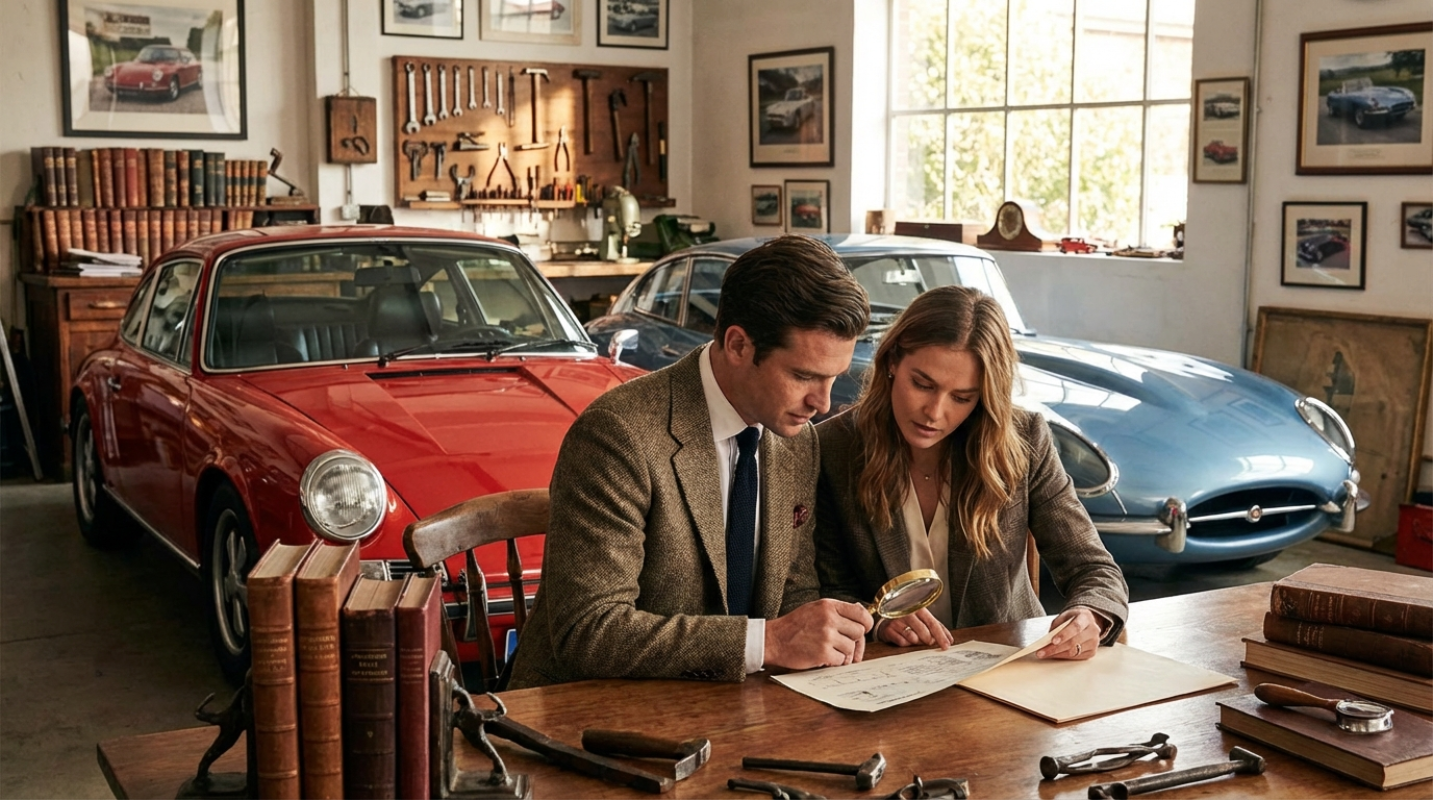
- Agreed Value Coverage: Specialized providers like Hagerty or Grundy offer policies where you and the insurer agree on the total worth of the car upfront. This is ideal for highly modified or classic cars where the market value doesn't reflect the true investment.
- Documentation and Receipts: To successfully claim a custom part, you must maintain a digital folder of all receipts and high-resolution photos. Without proof of purchase, an adjuster will only pay for the cost of the original factory part.
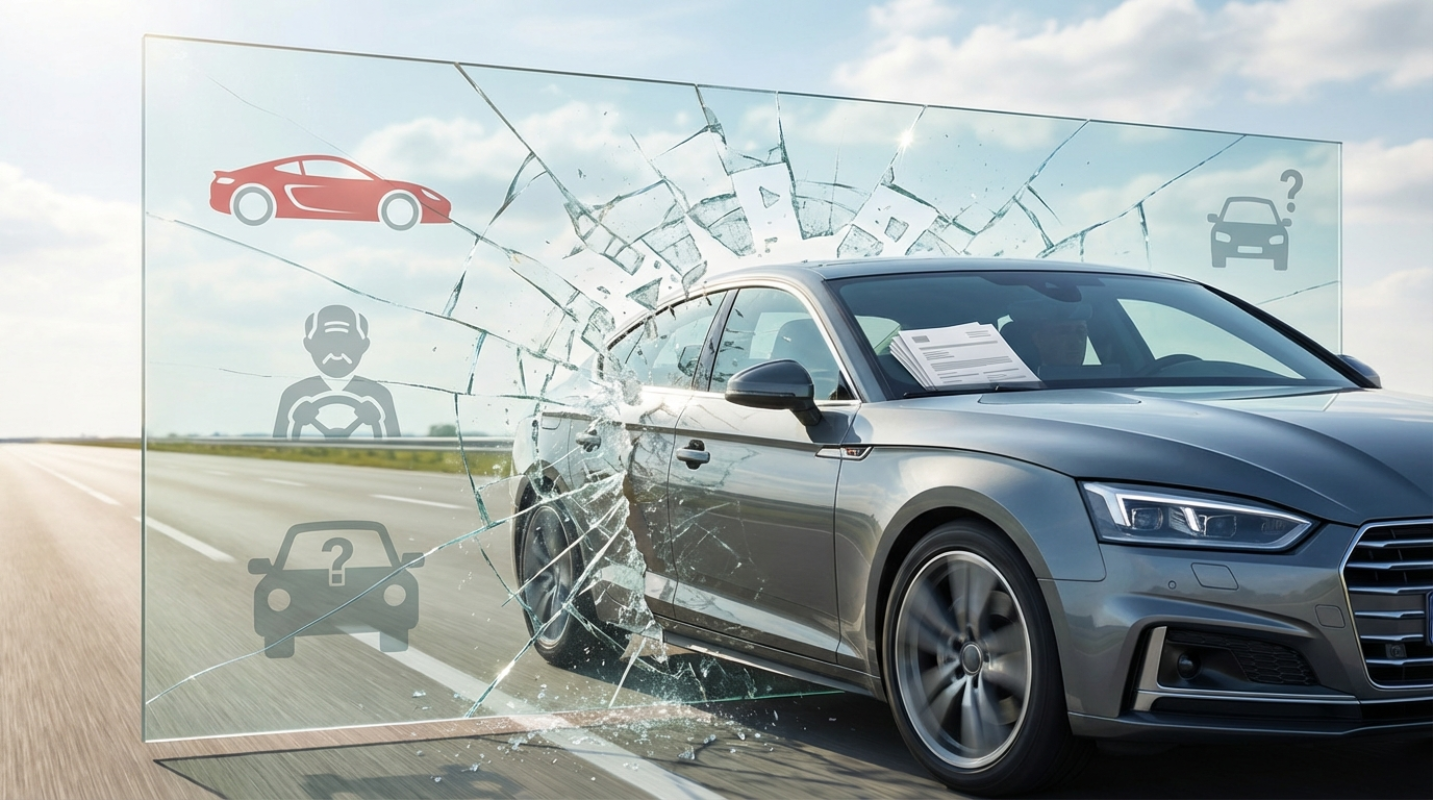
- The Disclosure Requirement: Hiding modifications is considered "material misrepresentation." If an unlisted engine swap is discovered during a post-accident inspection, the insurer can void your entire policy, leaving you personally liable for all damages.
Evaluating Total Cost of Ownership
The average annual cost of full-coverage insurance has reached approximately $2,158. Adding performance modifications can push this figure much higher, depending on the state and the extent of the changes.
- Premium Surcharges: Expect a 10% to 25% increase in your base premium after adding significant modifications.
- State-Specific Variations: In high-cost areas like Washington, D.C. or New Jersey, the surcharge for a modified vehicle can be a major financial burden.
- Appraisal Services: For professional-grade builds, hiring an appraisal specialist ensures the insurance company recognizes the vehicle's true value before a policy is written.
By being transparent with your agent and selecting the right endorsements, you protect your investment from being lost in a paperwork dispute. Customizing your vehicle is a pursuit of passion, but ensuring it is correctly insured is a pursuit of financial survival.
Articles on affordableautomotiveservice.com are for informational purposes only and do not provide professional or legal advice. Consult a licensed insurance expert before making decisions. We are not responsible for actions taken based on this content.