There is something undeniably charming about driving an older car. Maybe it is the hand-me-down sedan you inherited from your older brother that smells faintly of french fries, or perhaps it is a vintage truck you bought with your own hard-earned savings from a summer job. These cars have character, history, and usually a few quirky rattles that you have learned to ignore. But while loving an old car is easy, figuring out how to insure it can be a little more complicated. When you are driving a brand-new vehicle, getting "full coverage" is a no-brainer because the bank requires it. But when the title is in your name and the car has seen more than a few presidential elections, the rules change. You are suddenly faced with a tough question: should you keep paying for premium protection on a car that isn't worth a premium price, or is it time to cut costs and take a risk? Navigating this decision requires a little bit of math, a little bit of honesty about your finances, and a good understanding of what you are actually paying for.
De-Mystifying "Full Coverage"
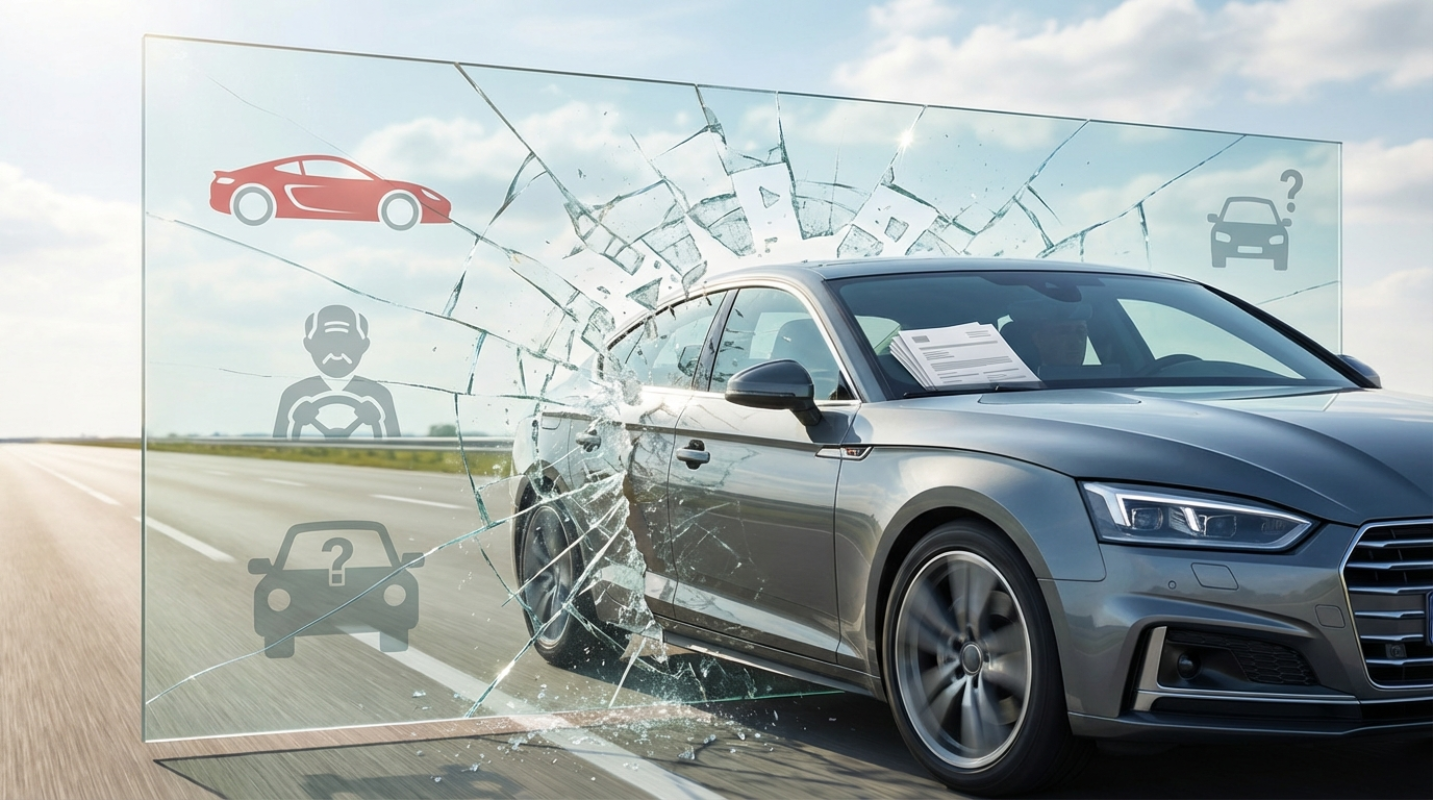
First things first, we need to clear up a common misunderstanding. "Full coverage" isn't actually a technical term you will find written on an insurance contract. It is just shorthand that people use to describe a policy that includes liability insurance plus collision and comprehensive coverage. Liability is the part the law requires; it pays for the damage you cause to other people's cars or property. Collision and comprehensive are the parts that pay to fix your car.
Collision coverage steps in if you crash into another car or a stationary object like a mailbox. Comprehensive coverage handles the weird stuff outside of your control, like theft, vandalism, fire, or a tree branch falling on your hood during a storm. When people talk about dropping full coverage on an older car, they are really talking about dropping these two specific protections. If you cancel them, you are left with just liability. This means if you wreck your car, the insurance company pays you exactly zero dollars for repairs. You are on your own to fix it or scrap it.
The Ten Percent Rule
So, how do you decide if keeping full coverage is a smart financial move or just a waste of money? A popular rule of thumb in the insurance world is the "Ten Percent Rule." It is a simple math problem that can give you a clear answer. Take the annual cost of your comprehensive and collision insurance (you can find this number on your policy declaration page) and compare it to the current market value of your car.
If the cost of the insurance is more than ten percent of the car's value, it might be time to drop it. For example, let's say your trusty old Honda Civic is worth about two thousand dollars. If you are paying five hundred dollars a year for full coverage, you are paying twenty-five percent of the car's value every single year just to protect it. That doesn't make much financial sense. In just four years, you would have paid the insurance company enough money to buy the car all over again. In this scenario, it is usually smarter to put that five hundred dollars into a savings account instead. That way, if something happens, you have your own "insurance fund" ready to go, and if nothing happens, you get to keep the money.
The "Can I afford to Replace It?" Test
Math is helpful, but it doesn't tell the whole story. The most important factor is your personal financial situation. You need to ask yourself a very serious question: "If I totaled this car tomorrow morning, could I afford to buy another one?" If the answer is a confident "yes" because you have a healthy savings account or a generous job, then dropping full coverage is a safe bet. You are essentially self-insuring. You are taking the risk because you have the safety net to handle a worst-case scenario.
However, if the answer is "absolutely not," you might need to keep full coverage even if the math says otherwise. Imagine you are a student working a part-time job, living paycheck to paycheck. You depend on your three-thousand-dollar car to get to work and school. If you wreck that car and have no insurance payout, you are stranded. You have no car, no way to get to work, and no money to buy a replacement. In this specific situation, paying a little extra each month for full coverage is worth it. It buys you peace of mind and guarantees that you won't be left walking if disaster strikes. Even if the car isn't worth much to the rest of the world, it is valuable to you because it is your lifeline.
Customizing for a Middle Ground
It doesn't have to be an all-or-nothing decision. You can actually customize your policy to find a sweet spot between saving money and staying protected. One way to do this is by playing with your deductibles. If you decide to keep full coverage on an older car, consider raising your deductible to a higher amount, like one thousand dollars. This tells the insurance company that you are willing to pay for minor fender benders yourself, but you want their help for major catastrophes. This usually lowers your monthly premium significantly, making full coverage more affordable.
Another option is to split the difference. You might decide to drop collision coverage but keep comprehensive coverage. Collision is usually the most expensive part of a policy. By dropping it, you save a chunk of cash, but you are accepting the risk that if you cause a crash, you pay for your own repairs. However, keeping comprehensive is often very cheap—sometimes just a few dollars a month. This protects your older car against things like theft, deer strikes, or glass damage. Since older cars are often easier to steal, having theft protection can be a very smart move for a very low price.
The Emotional Attachment Factor
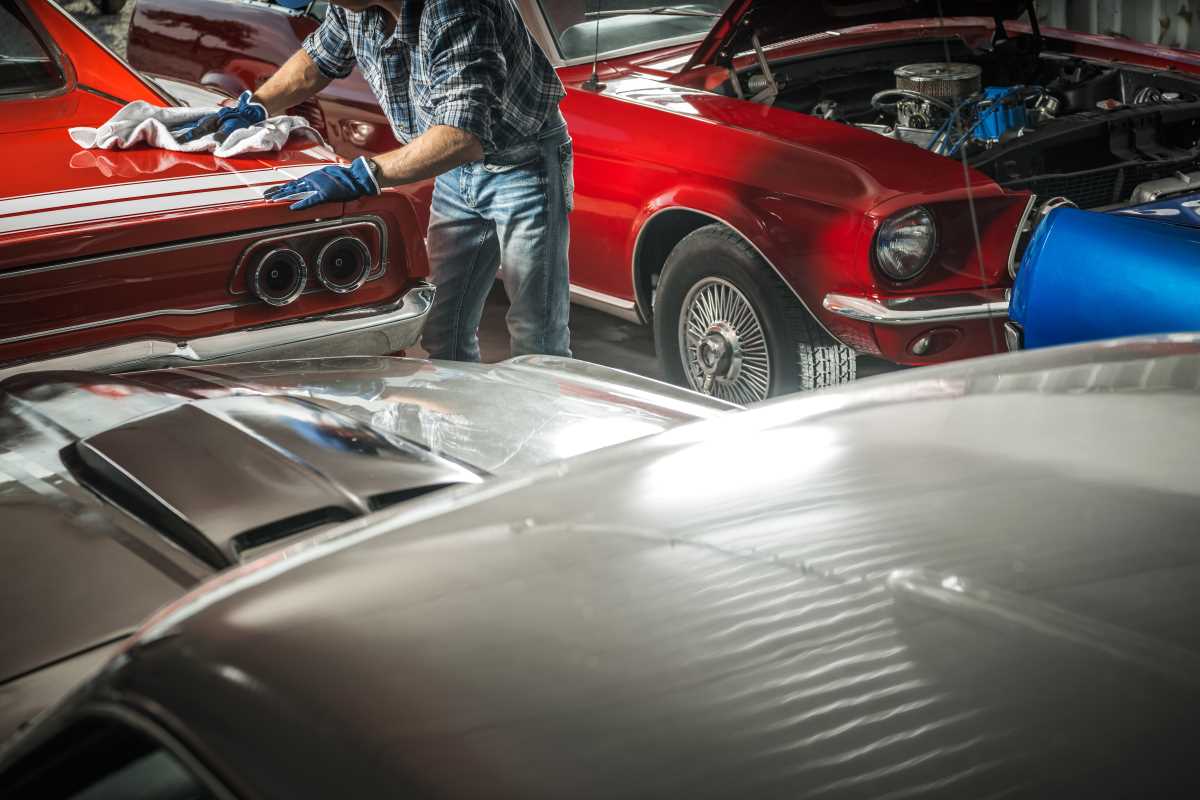
Finally, we have to talk about feelings. Sometimes, a car is more than just a machine made of metal and rubber. If you have spent years restoring a classic car with your dad, or if you drive a rare model that is hard to find, the "book value" might not reflect what the car is actually worth to you. Standard insurance companies look at Kelley Blue Book values, which might say your vintage ride is worthless. If you have a special older car, you might need to look into "agreed value" insurance.
This is a special type of full coverage designed for classic or collector cars. Instead of the insurance company deciding what the car is worth after an accident, you both agree on a value upfront. If you agree the car is worth ten thousand dollars because of its condition and rarity, that is what they pay you if it gets totaled, regardless of what the standard charts say. This ensures that all your hard work and emotional investment are actually protected. Be honest with yourself about whether your car is truly a "classic" or just an old daily driver, but for the right vehicle, this specialized coverage is the only way to go.
Top Insurance Providers for Older Cars
Not all insurance companies treat aging vehicles the same way. Some specialize in keeping premiums low for high-mileage daily drivers, while others focus on protecting the "agreed value" of a well-maintained classic.
- GEICO: Frequently cited as the champion for liability-only coverage. If your goal is to drop collision and comprehensive to save money on an older commuter car, GEICO often offers the lowest baseline rates, sometimes as low as $40 to $80 per month depending on your record.
- Travelers: A top contender for drivers who want to keep full coverage on a car that’s ten to fifteen years old. They offer a strong balance of "replacement value" protection without the aggressive rate hikes seen at other major carriers.
- Hagerty or American Modern: These are the go-to choices for "Specialty" older cars. If your car is 25+ years old and used for pleasure rather than daily commuting, these providers offer "Agreed Value" policies. This ensures that if the car is totaled, you get a pre-determined amount rather than a measly "market value" check that doesn't account for the car's condition.
- State Farm: Known for having a massive network of local agents who can help you navigate the transition from full coverage to liability. They are often rated highly for customizable policies, allowing you to keep cheap comprehensive coverage (for theft and glass) while dropping the expensive collision portion.
- Progressive: Their "Name Your Price" tool and loyalty rewards make them a great fit for owners of older vehicles who have a clean driving record. They are particularly competitive for drivers who have minor "quirks" on their record but still want affordable protection for a high-mileage car.
Articles on affordableautomotiveservices.com are for informational purposes only and do not provide professional or legal advice. Consult a licensed insurance expert before making decisions. We are not responsible for actions taken based on this content.