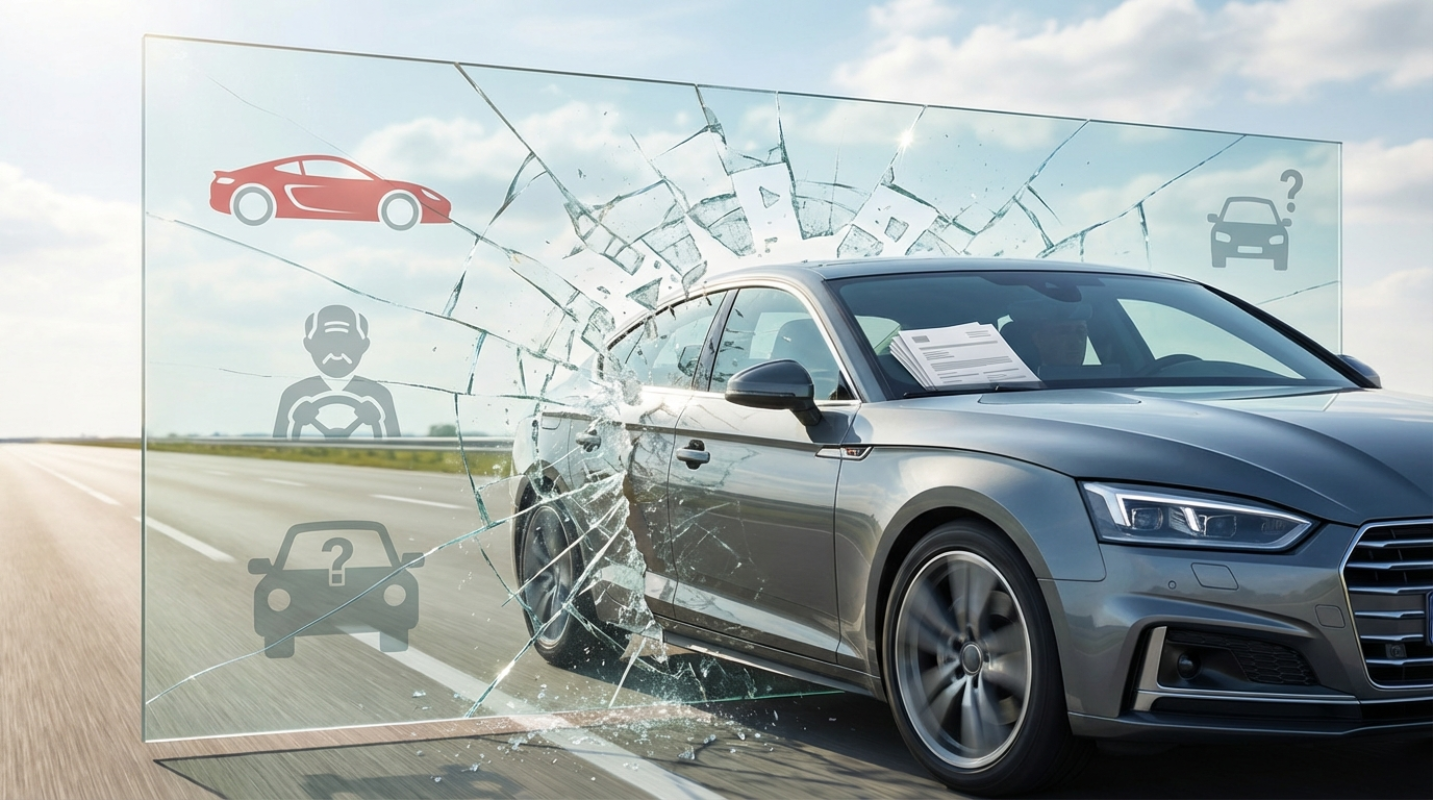
Automotive protection resembles a complex simulation where various risk factors dictate the final outcome. Among the terminology found in insurance documents, two specific categories function as the primary defenses for a vehicle: comprehensive and collision coverage. While often grouped under the colloquial term "full coverage," these represent two distinct shields engineered to mitigate different categories of financial loss. Understanding the mechanics of each is necessary to construct a policy that aligns with your specific risk profile and financial objectives.
Collision Protection Mechanics
Collision coverage is the primary mechanism for recovering costs associated with physical impacts. This insurance facilitates repairs to your vehicle when it makes contact with another object, regardless of who is at fault for the incident.
- Multi-Vehicle Incidents: If a driver fails to stop in time and impacts the rear of another vehicle, collision coverage pays for the damage to the front of the policyholder's car. This is separate from liability insurance, which only covers the other driver's repair costs.
- Fixed Object Impacts: Damage resulting from contact with stationary items—such as concrete pillars in a parking structure, mailboxes, or guardrails—falls under this category. These incidents are common in low-visibility or slick weather conditions.
- Single-Vehicle Rollovers: If a vehicle loses traction and leaves the roadway, flipping into a ditch or embankment, the resulting structural damage is handled through this portion of the policy.
- Asset Security: Without this specific layer, a total loss in a self-fault accident leaves the owner responsible for the remaining loan balance and the cost of a replacement vehicle. By paying for the Actual Cash Value of the machine, collision coverage prevents a single driving error from becoming a permanent debt.
Comprehensive Risk Mitigation
Comprehensive coverage serves as a shield against the unpredictable forces of nature and external criminal activity. Often termed "other-than-collision," it handles claims that occur while the vehicle is stationary or affected by factors beyond the driver’s control.
- Environmental Damage: Heavy storms, falling tree limbs, and hail can cause catastrophic damage to the exterior panels and glass. Comprehensive coverage pays to remove dents and replace shattered panoramic sunroofs.
- Criminal Interference: If a vehicle is stolen or suffers from vandalism—such as shattered windows or graffiti—this coverage provides the funds for recovery or repair.
- Biological Hazards: Striking a deer or other wildlife is categorized under comprehensive insurance. While it involves an impact, the industry views these events as acts of nature rather than a failure in driving technique.
- Flood and Fire Recovery: Natural disasters like rising floodwaters or engine fires can instantly total a car. Comprehensive insurance is the only way to recover the value of the vehicle in these extreme scenarios.
Deductible Management and Strategies
Both forms of coverage require a deductible—the specific dollar amount an owner pays before the insurance provider contributes to the repair bill.
- Adjusting Thresholds: Owners can select different deductibles for each coverage type. A driver might choose a $1,000 deductible for collision to lower their monthly bill, while opting for a $100 deductible for comprehensive to handle frequent glass repairs.
- The Glass Exception: Rocks kicked up by tires on the highway cause "pitting" or cracks in the windshield. Since this is a comprehensive claim, a low deductible ensures these small repairs don't become a recurring out-of-pocket expense.
- Emergency Fund Alignment: A deductible should never exceed the amount of cash you have readily available in savings. If a repair costs $1,500 and the deductible is $1,000, the insurance only provides $500, meaning the owner must cover the bulk of the cost.
Financial Viability and Requirements
The decision to carry both categories depends on the ownership status of the vehicle and its total market worth.
- Lender Mandates: Banks and credit unions require both comprehensive and collision for the duration of a loan. This ensures their collateral—the car—is protected until the final payment is processed.
- The "Ten Percent" Rule: If the annual cost of the insurance exceeds 10% of the car's market value, it may be time to drop the coverage. For an older vehicle with 200,000 miles, the premiums and deductibles might eventually exceed the check the insurance company would write in a total loss.
- Replacement Capability: Drivers must ask if they have the funds to buy a replacement car tomorrow if the current one is crushed. If the answer is no, maintaining high-level coverage is the most logical path to financial stability.
Policy Customization for Longevity
Effective insurance management involves regular reviews of the vehicle's aging process. As a car depreciates, the utility of high-deductible collision coverage changes.
- Market Research: Use resources like Kelley Blue Book once a year to check the current ACV of your machine. This informs whether the level of protection you are paying for still makes sense.
- Specialized Glass Coverage: Some providers offer a "full glass" add-on with a zero-dollar deductible. For those living in areas with gravel roads, this prevents constant comprehensive claims from depleting savings.
- Storage Modes: If a car is parked for the winter, owners can often drop collision coverage while keeping comprehensive active to protect against theft or garage fires, saving money during months the car is not on the road.
By differentiating between these two shields, you can allocate your budget toward the risks most likely to affect your specific environment. This strategic approach ensures that when the unexpected occurs, the financial impact remains minimal.
Articles on affordableautomotiveservice.com are for informational purposes only and do not provide professional or legal advice. Consult a licensed insurance expert before making decisions. We are not responsible for actions taken based on this content.