Buying a new car is easily one of the most exciting milestones you will experience. There is nothing quite like the feeling of sitting in that driver’s seat for the first time, surrounded by the scent of fresh upholstery and factory-new plastic. You spend days dreaming about all the road trips you will take, the friends you will drive around, and how cool you will look pulling up to school or work. It is a moment of pure freedom and joy. However, amidst all that excitement about horsepower and sound systems, there is a very important, albeit slightly boring, task that often gets overlooked. That task is updating your car insurance. It is definitely not as fun as testing out the heated seats, but it is the only thing standing between your wallet and total disaster. Driving your shiny new investment off the lot without adjusting your coverage is a risky gamble that could turn your dream car into a financial nightmare before you even get it home.
Why Your Old Policy Probably Won't Cut It
Many drivers make the mistake of assuming that their existing insurance policy will automatically cover their new ride with the same level of protection. While most insurance companies do offer a short grace period where your old coverage extends to your new vehicle, relying on this is a dangerous game. If you were previously driving a ten-year-old sedan that was barely worth a few thousand dollars, you might have been carrying only the state minimum liability coverage. Liability insurance is great because it pays for the damage you cause to other people, but it pays absolutely zero dollars to fix your own car.
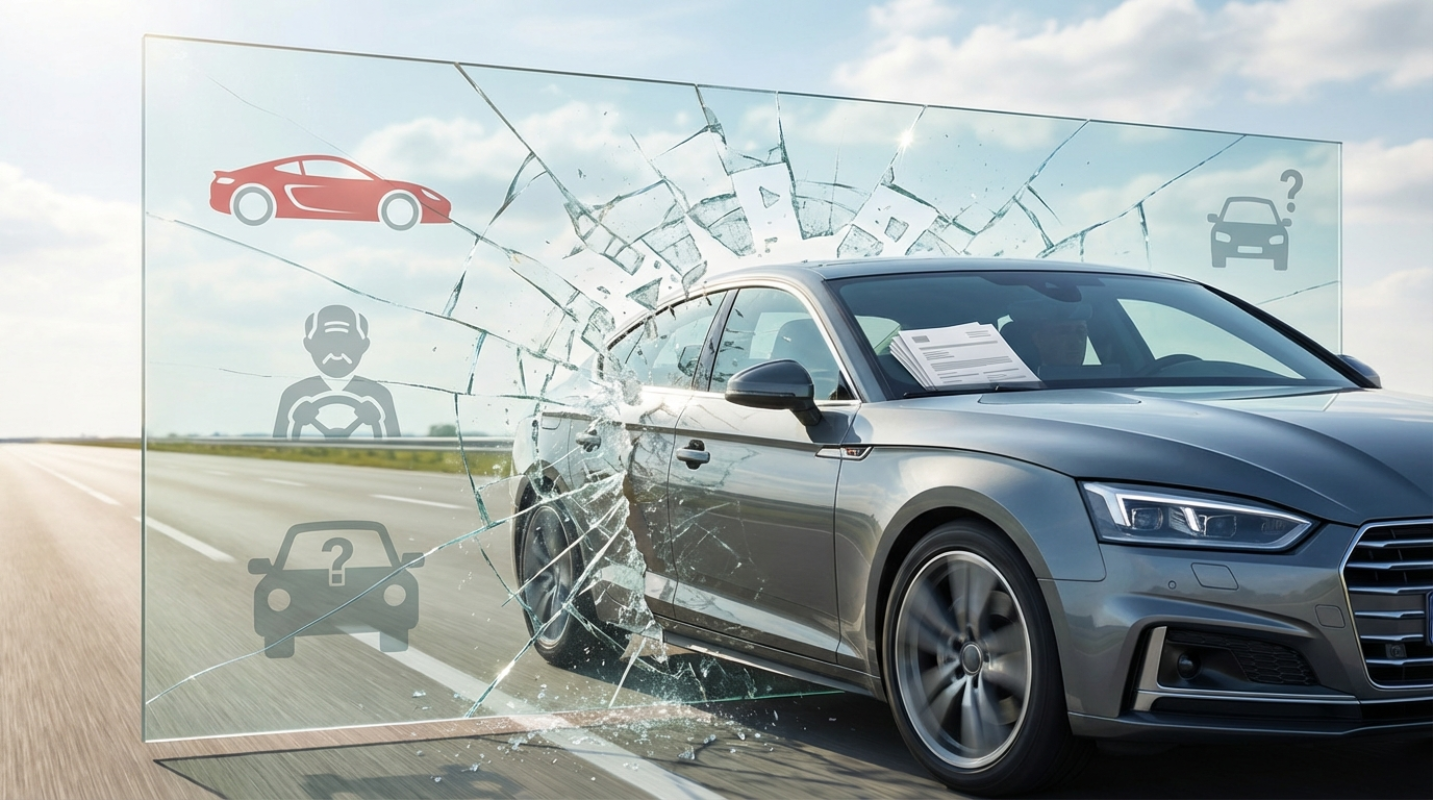
When you upgrade to a brand-new vehicle, the financial stakes change completely. You are now driving a machine that is worth tens of thousands of dollars. If you accidentally back into a pole or slide on ice into a guardrail with only liability coverage, you are on the hook for every single penny of the repairs. If the car is totaled, you still have to pay off the loan to the bank, even though you have nothing to drive. Adjusting your coverage isn't just about following the rules; it is about protecting yourself from owing a massive debt on a pile of scrap metal. You need to shift your mindset from just being legal to being fully protected.
The Dynamic Duo: Comprehensive and Collision
To properly protect a new car, you need to become best friends with two specific types of coverage: collision and comprehensive. These are often sold together as "full coverage," although that is just a slang term. Collision coverage is exactly what it sounds like. It pays to repair your vehicle if you hit another car or an object like a fence or a tree. It even covers you if you are in a single-car accident, like flipping over on a sharp turn. For a new car, this is usually mandatory if you have a loan, but even if you paid cash, it is a smart safety net.
Comprehensive coverage handles almost everything else. It covers damage that is not caused by a collision. This includes things like theft, vandalism, fire, hail damage, or hitting a deer that jumps out onto the highway. Think of it as "bad luck" insurance. If a tree branch falls on your new roof during a storm, comprehensive coverage steps in to save the day. When you add these to your policy, you will have to choose a deductible, which is the amount you pay out of pocket before the insurance kicks in. A higher deductible usually lowers your monthly bill, but you need to make sure you have that cash saved up just in case something happens.
The Gap Trap and How to Escape It
There is a harsh reality about buying a new car that no salesperson really wants to talk about: depreciation. The second you drive a new car off the lot, it loses a significant chunk of its value. It is now technically a "used" car. The problem arises if you took out a loan to buy the car. You might owe the bank thirty thousand dollars, but the car might only be worth twenty-five thousand dollars after a few months of driving. If your car gets totaled in an accident, your standard insurance will only pay you the current market value of the car, which is that twenty-five thousand dollars.
This leaves a "gap" of five thousand dollars that you still owe to the bank for a car that no longer exists. This is where Guaranteed Asset Protection, or GAP insurance, becomes a lifesaver. GAP insurance covers that difference between what the car is worth and what you still owe on your loan. It prevents you from making monthly payments on a ghost car. Many dealerships will try to sell you this coverage for a high price, but you can often add it to your regular auto insurance policy for a few extra dollars a month. If you are financing a brand-new car with a small down payment, this coverage is practically essential to keep your finances safe.
Customizing Your Shield
Once you have the basics covered, you should look at the extra perks that make life with a new car easier. New car replacement coverage is a fantastic add-on offered by some insurers. If you total your car within the first year or two, standard insurance gives you the depreciated value, but new car replacement coverage pays to buy you a brand new one of the same make and model. It essentially hits the reset button on your accident.
You should also consider rental reimbursement coverage. If your new car is in the shop for repairs after an accident, you still need to get to work or school. Rental reimbursement pays for a rental car so you aren't stuck begging your parents for rides or paying for expensive rideshares. Finally, check if your new car comes with roadside assistance from the manufacturer. If it does, you can remove that specific coverage from your insurance policy to save a little money, but make sure you verify exactly what the manufacturer covers first. Adjusting your coverage is about tailoring the policy to fit your specific needs and the value of your new ride.
Shopping Around for the Best Deal
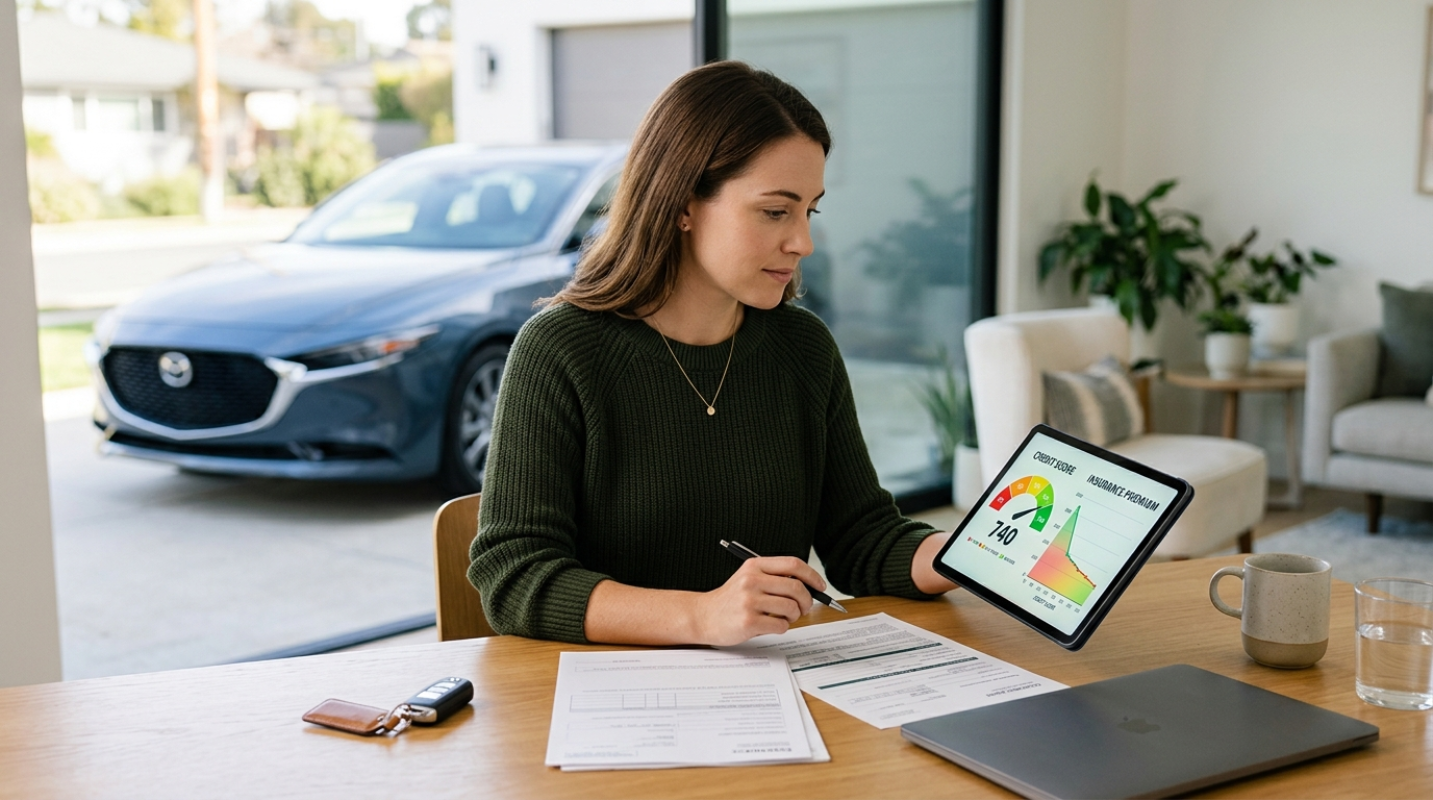
Buying a new car is actually the perfect excuse to shop around for a new insurance provider. Insurance rates vary wildly depending on the safety rating, theft rate, and repair costs of your specific vehicle. The company that gave you the cheapest rate on your old rusty truck might be incredibly expensive for your new sports coupe. Do not just blindly add the new car to your existing policy without asking questions.
Take an afternoon to get quotes from three or four different companies. You might find that switching providers could save you hundreds of dollars a year, which is money you can use for gas or fun road trips. Look for discounts specifically for new cars. Many insurers offer price breaks for modern safety features like automatic emergency braking, lane departure warning systems, and anti-theft devices. Since your new car is likely packed with this technology, make sure you are getting credit for it. It takes a little bit of effort, but finding the right coverage at the right price ensures that you can enjoy that new car feeling without worrying about what happens if things go wrong.
Articles on affordableautomotiveservices.com are for informational purposes only and do not provide professional or legal advice. Consult a licensed insurance expert before making decisions. We are not responsible for actions taken based on this content.